
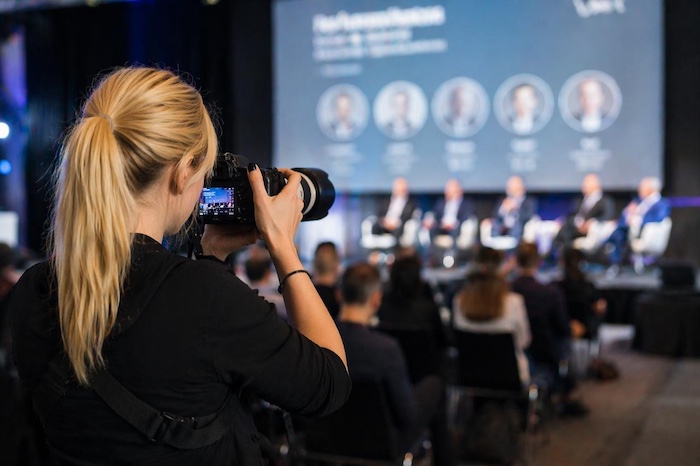
Conference Photography UK
Introduction to Conference Photography
Welcome to the world of conference photography! Capturing the essence and energy of conferences through photographs is a specialized skill that requires a keen eye, technical expertise, and creative vision. As a conference photographer in the UK, your role is to document the key moments, speakers, interactions, and atmosphere of the event in a visually engaging way.
Conference photography is not just about snapping pictures; it is about telling a story through images. Your photos should convey the excitement, knowledge sharing, networking opportunities, and unique experiences that attendees and organizers will cherish and remember long after the conference is over.
Whether you are a seasoned professional or new to the world of conference photography, this guide will provide you with valuable insights, tips, and techniques to help you excel in this niche field. From understanding the importance of high-quality photographs for conferences to finding the right photographer and equipment, we will cover everything you need to know to capture stunning images that truly capture the essence of each event.
So, grab your camera, prepare to immerse yourself in the world of conferences, and get ready to capture moments that will leave a lasting impression on your clients and their attendees.
Importance of High-Quality Photography for Conferences
High-quality photography plays a crucial role in capturing the essence and excitement of conferences. Whether it’s a corporate event, industry conference, or networking gathering, having professional photos taken can elevate the overall experience and create lasting memories for attendees.
One of the main reasons why high-quality photography is important for conferences is that it helps to showcase the event’s key moments and highlights. These photos can be used for promotional purposes, on social media platforms, and in post-event marketing materials. They serve as a visual representation of the conference, giving potential attendees a glimpse of what to expect and enticing them to join future events.
Moreover, professional conference photography helps to establish credibility and professionalism for the event. When attendees see well-composed and sharp images of speakers, panel discussions, and networking activities, it enhances their perception of the conference and reflects positively on the organizers.
Additionally, high-quality conference photos can also be a valuable asset for sponsors and partners. By showcasing their presence and involvement in the event through visually appealing images, it can strengthen relationships and encourage continued support for future conferences.
Overall, investing in high-quality conference photography is essential for creating a positive and engaging experience for attendees, promoting the event effectively, and leaving a lasting impression on everyone involved.
Finding the Right Conference Photographer in the UK
When it comes to finding the right conference photographer in the UK, there are several important factors to consider. It’s essential to choose a photographer who not only has the technical skills and equipment needed for conference photography but also understands the unique demands of this type of photography.
- Experience: Look for a conference photographer who has experience specifically in capturing events and conferences. They should have a portfolio showcasing their previous work in this area.
- Style: Consider the photographer’s style and whether it aligns with the look and feel you want for your conference photos. Some photographers specialize in a candid, documentary style, while others may focus on staged shots.
- Professionalism: Choose a photographer who is reliable, punctual, and communicates effectively. They should be able to work well under pressure and have a professional demeanor when interacting with clients and attendees.
- Recommendations: Ask for recommendations from colleagues or other event professionals who have worked with conference photographers in the past. Word of mouth can be a valuable tool in finding a trusted photographer.
Before hiring a conference photographer, it’s a good idea to meet with them in person or over a video call to discuss your requirements and get a sense of their personality. Building a rapport with your photographer can lead to better communication and collaboration during the photoshoot.
Remember that the right conference photographer will not only capture stunning images but also contribute to the overall success of your event. Take the time to do your research, ask questions, and trust your instincts when making your decision.
Factors to Consider When Hiring a Conference Photographer
When looking to hire a conference photographer in the UK, there are several important factors to consider to ensure that you choose the right professional for the job. Here are some key things to keep in mind:
- Experience: Look for a photographer who has experience specifically in conference photography. They should be familiar with the unique challenges and opportunities that come with capturing events in this setting.
- Portfolio: Take the time to review the photographer’s portfolio to see their previous work. Make sure their style aligns with the type of images you want for your conference.
- References: Ask for references or testimonials from past clients to get an idea of the photographer’s reputation and quality of work.
- Availability: Check the photographer’s availability for the date of your conference and ensure they can commit to the entire duration of the event.
- Cost: Discuss the photographer’s pricing structure upfront and make sure it fits within your budget. Remember that high-quality photography is an investment that can significantly enhance the overall success of your conference.
- Communication: It’s essential to have clear and open communication with the photographer leading up to the event. Make sure you both have a shared understanding of the goals and expectations for the photoshoot.
- Equipment: Inquire about the equipment the photographer will be using. A professional conference photographer should have cameras, lenses, and lighting gear that are suitable for capturing high-quality images in various lighting conditions.
- Flexibility: Look for a photographer who is flexible and adaptable to changing conditions during the event. They should be able to think on their feet and adjust their approach as needed.
- Contract: Ensure that you have a signed contract outlining the terms of the agreement, including deliverables, payment schedule, and rights to the images.
By considering these factors when hiring a conference photographer, you can rest assured that you are making a well-informed decision that will result in stunning images that truly capture the essence of your conference.
Preparing for the Conference Photoshoot
Before heading to a conference to capture photographs, it’s essential to be well-prepared so you can make the most of your time there. Here are a few tips to help you get ready for the photoshoot:
- Research the Event: Familiarize yourself with the conference agenda and schedule so you know when and where important sessions or networking opportunities will take place. This will help you plan ahead and ensure you don’t miss any key moments.
- Create a Shot List: Make a list of must-have shots that you want to capture during the conference. This can include individual portraits of speakers, group shots of attendees, and candid moments that showcase the atmosphere of the event.
- Check Your Gear: Ensure your camera equipment is in good working condition and have spare batteries and memory cards on hand. Also, consider bringing a variety of lenses to capture different types of shots.
- Dress Professionally: Dress in attire that is appropriate for the event. You want to blend in with the crowd and not draw attention to yourself while you’re taking photos.
- Arrive Early: Plan to arrive early at the conference venue so you can scout out the best vantage points for taking photographs. This will also give you time to set up your equipment and familiarize yourself with the environment.
- Communicate with Organizers: Reach out to the conference organizers to introduce yourself and discuss any specific photography guidelines or restrictions they may have in place. This will help you navigate the event smoothly and avoid any misunderstandings.
- Stay Flexible: Conferences can be fast-paced and unpredictable, so be prepared to adapt to changes in the schedule or unexpected moments that might arise. Keep an open mind and be ready to capture unique opportunities as they come.
Equipment Needed for Conference Photography
When it comes to conference photography, having the right equipment is crucial to capturing high-quality images that will impress your clients and attendees. Here is a list of essential gear that you will need for successful conference photography:
- Camera: Invest in a high-quality DSLR or mirrorless camera that can handle low-light conditions and quickly capture moments as they happen.
- Lenses: A versatile zoom lens, such as a 24-70mm or 70-200mm, will allow you to capture a variety of shots from wide-angle to close-up.
- Flash: While natural light is ideal, having a speedlight or flash unit can help illuminate dark conference rooms and create well-lit portraits.
- Tripod: Keep your camera steady and tripod handy for long exposures and group shots. This will also prevent shaky images in low-light situations.
- Batteries and Memory Cards: Ensure you have plenty of backup batteries and memory cards to keep shooting throughout the event without interruptions.
- Laptop or Tablet: Use a laptop or tablet for on-the-go editing and quick previews of your photos during the conference.
- Camera Bag: Keep all your equipment organized and protected in a durable camera bag designed for easy transport and quick access to your gear.
Having the right equipment in your arsenal will not only make your job easier but will also allow you to deliver exceptional conference photos that meet and exceed your client’s expectations.
Tips for Capturing Candid Moments at Conferences
When photographing conferences, capturing candid moments can add a special touch to your images. These unposed, natural shots can capture genuine emotions and interactions, creating a more authentic representation of the event. Here are some tips to help you capture those candid moments:
- Be Discreet: To capture truly candid moments, try to blend into the background as much as possible. Avoid drawing attention to yourself by using a long lens and shooting from a distance.
- Stay Alert: Keep a keen eye out for interesting interactions, facial expressions, or gestures that can make for compelling candid shots. Anticipate moments before they happen and be ready to capture them quickly.
- Engage with Attendees: Build rapport with conference attendees to help them feel more comfortable around you. This can lead to more natural and relaxed candid shots.
- Use Burst Mode: Shooting in burst mode can help you capture a series of images in quick succession, increasing your chances of getting the perfect candid shot.
- Experiment with Angles: Don’t be afraid to get creative with your angles and composition. Shooting from different perspectives can add visual interest to your candid photos.
- Capture Emotions: Focus on capturing genuine emotions such as laughter, excitement, or concentration. These moments can tell a powerful story and evoke a strong emotional response in viewers.
- Be Patient: Candid moments may not happen frequently, so be patient and ready to seize any opportunities that arise. Sometimes the best candid shots come when you least expect them.
- Stay Authentic: Avoid staging or directing candid moments. Let events unfold naturally and focus on capturing real moments as they happen.
By following these tips, you can elevate your conference photography and create a compelling collection of candid moments that truly capture the essence of the event.
Technical Aspects of Conference Photography
When it comes to capturing moments at conferences, there are several technical aspects that a photographer must consider to achieve high-quality images. Let’s delve into some of the key points:
- Camera Settings: Adjusting your camera settings is crucial to getting the right exposure and focus for conference photography. Make sure to set the appropriate ISO, aperture, and shutter speed for the lighting conditions of the conference venue.
- Lenses: Consider using a wide-angle lens to capture group shots and the overall atmosphere of the conference. However, you may also need a telephoto lens for capturing speakers or details from a distance.
- Lighting: Conferences can vary in terms of lighting conditions, so it’s essential to be prepared to adjust your camera settings accordingly. You may need to use external lighting sources or reflectors to ensure well-lit photos.
- Composition: Pay attention to the composition of your shots to create visually appealing photographs. Use the rule of thirds, leading lines, and framing techniques to make your images stand out.
- Action Shots: To capture dynamic moments at the conference, consider using a faster shutter speed to freeze motion and avoid blur. Anticipate key moments and be ready to capture them in a split second.
- White Balance: Correct white balance ensures accurate color reproduction in your photos. Be mindful of different lighting sources at the conference and adjust the white balance settings on your camera accordingly.
- RAW vs. JPEG: Shooting in RAW format gives you more flexibility in post-processing, allowing you to make detailed edits without losing image quality. However, keep in mind that RAW files typically take up more storage space than JPEGs.
By paying attention to these technical aspects, you can elevate your conference photography skills and deliver stunning images that capture the essence of the event.
Post-Processing Techniques for Conference Photos
Once the conference photoshoot is complete, the next step is to enhance and refine the images through post-processing techniques. Post-processing plays a crucial role in ensuring that the photos are polished and ready to be delivered to clients.
Some common post-processing techniques include:
- Color Correction: Adjusting the colors in the images to ensure they are vibrant and true to life.
- Cropping and Straightening: Eliminating distractions and fixing any composition issues by cropping and straightening the images.
- Exposure Adjustment: Tweaking the exposure levels to ensure that the photos are well-balanced and properly exposed.
- Contrast and Saturation: Enhancing the contrast and saturation of the images to make them visually appealing.
- Image Sharpening: Improving the sharpness of the images to make them look crisp and clear.
It’s important to maintain a balance during post-processing – you want the images to look great without appearing overly edited. Clients usually prefer natural-looking photos that still showcase the highlights of the event.
Experimenting with different post-processing techniques can help you develop your own style and make your photos stand out from the rest. Whether it’s adding a vintage filter or creating a black and white effect, don’t be afraid to get creative with your edits.
Another important aspect of post-processing is organizing and storing your edited images. Make sure to save your files in a secure location and create backups to avoid losing any important photos. This will also make it easier for you to retrieve the images when delivering them to clients.
By mastering post-processing techniques, you can take your conference photography to the next level and create stunning images that leave a lasting impression on your clients.
Delivering the Final Photos to Clients
Once you have finished capturing all the amazing moments at the conference, it’s time to deliver the final photos to your clients. The way you present and deliver these photos can make a big difference in how they are received.
- File Format: Before sending the photos, consider the format in which your clients would like to receive them. Whether it’s JPEG, PNG, or RAW files, make sure to confirm their preferences beforehand.
- Delivery Method: There are several ways to deliver the final photos to your clients. You could consider creating an online gallery where they can view and download the images, or you may choose to send them through email or a cloud storage service like Dropbox.
- Organizing Files: Make sure to organize the photos in a logical manner so that your clients can easily navigate through them. Consider creating folders for different parts of the conference or arranging them by date and time.
- Editing Process: Before delivering the final photos, don’t forget to edit them to ensure they are top quality. This may involve adjusting colors, cropping, or removing any imperfections to make the photos look professional.
- Watermarking: Some photographers choose to watermark their photos before delivering them to clients. This can help protect your work from unauthorized use and ensure proper attribution.
- Client Feedback: Don’t hesitate to ask for feedback from your clients once they have received the final photos. This can help you improve your services in the future and build a stronger working relationship with them.
Remember, delivering the final photos to your clients is the last step in your conference photography journey. Make sure to take the time to ensure that the photos are delivered in a professional and timely manner, meeting or exceeding your clients’ expectations.
Legalities and Rights Management in Conference Photography
When it comes to conference photography, there are legal considerations that photographers need to be aware of to protect themselves and their clients. Understanding the rights management and legalities associated with conference photography is crucial for a successful collaboration.
- Model Releases: It is important to obtain model releases from any individuals who will be prominently featured in the conference photos. This ensures that you have the legal right to use their image for commercial purposes.
- Permissions from Event Organizers: Before capturing any photos at a conference, make sure to obtain permission from the event organizers. Some conferences may have strict rules regarding photography, so it is essential to clarify this beforehand.
- Copyright Ownership: Understanding who owns the rights to the conference photos is crucial. In most cases, the photographer retains the copyright unless stated otherwise in a contract. Make sure to include details about copyright ownership in your client agreement.
- Usage Rights: Clearly outline the intended use of the conference photos in your contract with the client. Whether it is for marketing materials, social media, or promotional purposes, ensure that both parties are on the same page regarding the usage rights.
By being transparent and proactive about legalities and rights management, conference photographers can avoid potential conflicts down the line. It is advisable to consult with a legal professional or join a photography organization that provides resources on legal matters.
Showcase of Stunning Conference Photoshoots in the UK
Looking for inspiration for your next conference photoshoot in the UK? Here are some stunning examples that showcase the talent and creativity of conference photographers:
- London Business Conference: A high-profile business conference held in the heart of London, featuring world-renowned speakers and industry leaders. The photographer captured powerful moments of networking, collaboration, and engaging presentations.
- Manchester Tech Summit: An exciting event bringing together tech enthusiasts and innovators from across the country. The photographer skillfully documented the cutting-edge technology on display, as well as the enthusiasm and energy of the attendees.
- Edinburgh Healthcare Forum: A professional forum focused on healthcare trends and advancements. The photographer highlighted the expertise and passion of the speakers, as well as the engaging discussions among attendees.
- Birmingham Creative Conference: An inspiring conference for creatives and artists, showcasing the latest trends in design and visual arts. The photos beautifully captured the artistic essence of the event, from colorful exhibitions to interactive workshops.
- Leeds Marketing Expo: A vibrant expo for marketing professionals to network and learn from industry experts. The photographer focused on capturing the dynamic interactions between exhibitors and attendees, as well as the innovative marketing strategies on display.
Each of these photoshoots demonstrates the unique atmosphere and energy of conferences in the UK, showcasing the diversity of topics and industries represented at these events. Whether you are looking for creative inspiration or seeking ideas for your own conference photography project, these stunning photoshoots are sure to spark your imagination.
More
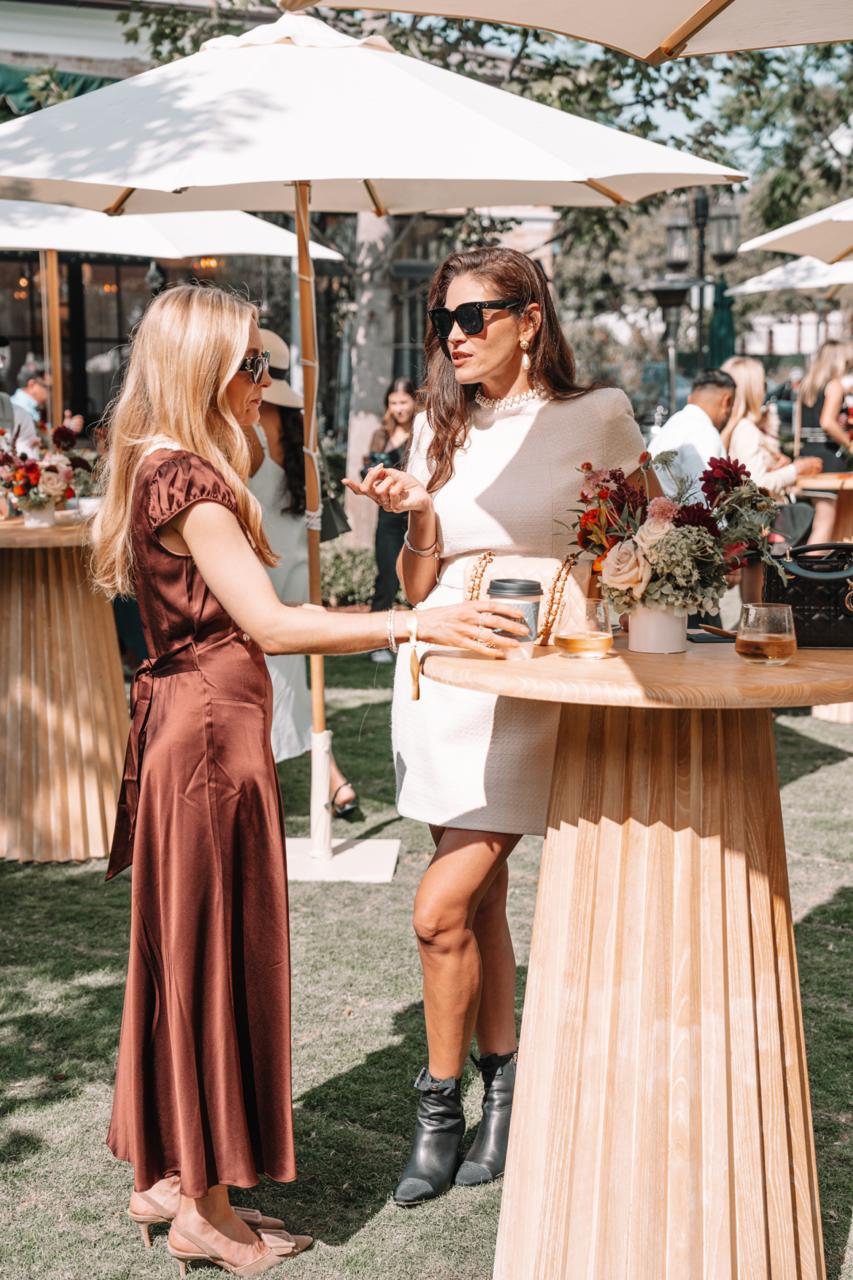
Case : Event photography for Palisades Village
Palisades Village is a premier outdoor shopping and lifestyle destination in Pacific Palisades, California. Capturing events at such an iconic venue requires a blend of candid storytelling, detailed commercial shots, and high-energy atmosphere photography. Below is a breakdown of how we captured the essence and vibrant energy of this event. Every great event begins with […]
More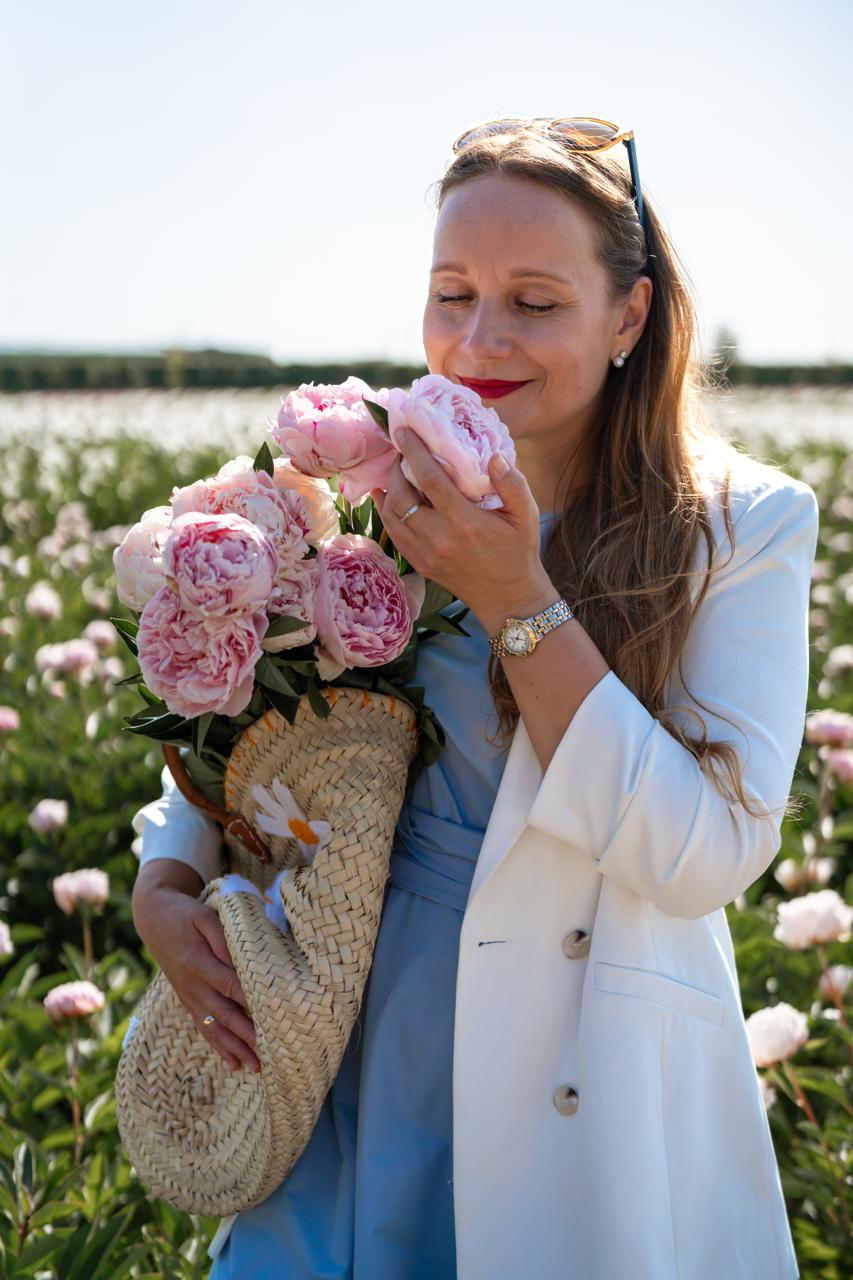
Case : Peony Field Photoshoot at Bury Lane Farm | Cambridge Photographer
This beautiful group portrait photography session took place in the breathtaking peony fields of Bury Lane Farm in Cambridgeshire. As a Cambridge photographer specialising in portrait photography and lifestyle photography, I love creating natural images that capture genuine emotions and meaningful moments. Nine wonderful women came together to enjoy an unforgettable summer afternoon surrounded by […]
More
Case : Professional Headshot Photography in West Hollywood
I delivered personalized headshot photography sessions in West Hollywood for professionals seeking high-impact images for articles, corporate profiles, and social media. Client: Professionals and musicians looking to elevate their personal branding with compelling portraits. Objective: To create confident, authentic images that help clients make a memorable first impression. Process: 1. Consultation Discussed each client’s style […]
More