
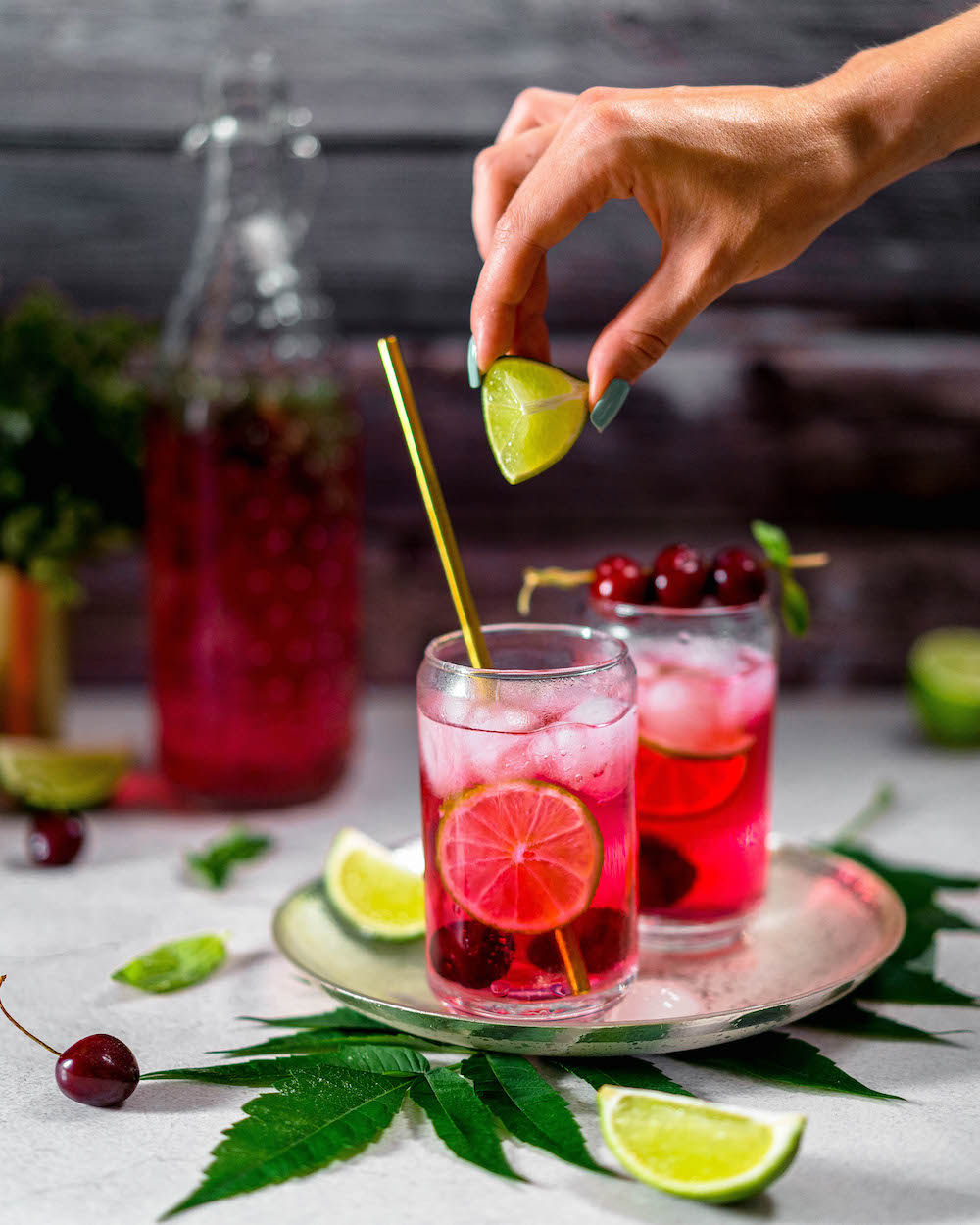
How to make good food videos?
One of the key factors in creating good food videos is investing in quality equipment that will help you capture clear and crisp footage. While you can certainly start with a smartphone camera, upgrading to a DSLR camera will instantly improve the overall quality of your videos. A DSLR camera allows you to manually control settings like aperture, shutter speed, and ISO, giving you more control over the look of your footage.
In addition to a DSLR camera, a tripod is essential for keeping your shots steady and professional looking. Shaky footage can be distracting and take away from the overall presentation of your video. Investing in a tripod will ensure that your shots are smooth and well-framed.
Another important piece of equipment to consider is an external microphone. Good audio quality is just as important as video quality when it comes to creating engaging food videos. An external microphone will help capture clear and crisp audio, making it easier for your audience to follow along with your cooking instructions.
- DSLR camera for better control and quality
- Tripod for steady and professional shots
- External microphone for clear audio
By investing in quality equipment such as a DSLR camera, tripod, and external microphone, you can elevate the production value of your food videos and make them more visually appealing to your audience.
Plan Your Content Ahead of Time
Creating a good food video starts with a well-thought-out plan. Before picking up your camera, take the time to decide on what recipe you want to feature in your video. Whether it’s a classic dish or a trendy new recipe, choosing the right dish will set the tone for your video.
Once you have your recipe selected, the next step is to create a script or storyboard. This will help you map out the flow of your video and ensure that all key ingredients and steps are included. Think about how you want to introduce the recipe, demonstrate cooking techniques, and present the final dish. By planning out your content in advance, you can avoid any hiccups during filming and create a more cohesive video.
- Choose a Recipe: Decide on a recipe that fits your style and audience. Consider the complexity of the dish and whether it will be visually appealing on camera.
- Create a Script or Storyboard: Outline the key points of your video, including any dialogue, voiceovers, or on-screen text. This will help you stay on track during filming and editing.
By planning ahead, you can ensure that your food video turns out just the way you envisioned it. So grab a pen and paper, get creative, and start planning your next delicious video creation!
Ensure good lighting for your food videos
Lighting is one of the most important factors when it comes to creating high-quality food videos. Good lighting can make your dishes look more appetizing and visually appealing. The key is to ensure that your food is well-lit and the colors are accurately represented on camera.
One easy way to achieve good lighting is by filming near natural light sources, such as windows or doors. Natural light can provide a soft and flattering glow that enhances the look of your food. Try setting up your filming station near a window during the day to take advantage of this free and abundant light source. However, keep in mind that natural light can be inconsistent, so it’s a good idea to film at specific times of the day when the lighting is best.
If natural light is not available or if you want more control over your lighting setup, consider investing in artificial lighting equipment. Softbox lights or ring lights can help provide consistent and bright lighting for your videos. These lighting tools can be adjusted to achieve the desired brightness and color temperature, giving you more flexibility in creating the perfect lighting setup for your food videos.
- ~ When using artificial lighting, aim to position the light source at a 45-degree angle from your food to create soft shadows and highlights that add depth to your shots.
- ~ Experiment with different lighting setups, such as backlighting or side lighting, to create interesting effects and enhance the visual appeal of your dishes.
By paying attention to lighting, you can elevate the quality of your food videos and make them more engaging for your viewers. Whether you prefer natural light or artificial lighting, the key is to experiment and find the lighting setup that works best for your specific needs and style.
Use a high-quality video editing software to create professional-looking videos
Once you have filmed your cooking video with good equipment and lighting, the next step is to edit it into a polished final product. A high-quality video editing software is essential for creating professional-looking videos that engage viewers and showcase your culinary skills.
- Choosing the right software: There are many video editing programs available, ranging from free options like iMovie and Windows Movie Maker to more advanced software like Adobe Premiere Pro and Final Cut Pro. Consider your editing needs and skill level when selecting a program.
- Editing techniques: Learn how to use the basic editing features such as cutting, trimming, and adding transitions to create a cohesive flow in your video. Experiment with effects and filters to enhance the visual appeal of your footage.
- Adding music and sound: Incorporate background music or ambient sounds to set the mood of your video. Make sure the audio levels are balanced and clear, and consider using royalty-free music to avoid copyright issues.
- Color correction and grading: Adjust the color and brightness of your footage to create a visually pleasing aesthetic. Use tools like color correction and grading to make your food look vibrant and appetizing on screen.
- Text and graphics: Enhance your video with text overlays, subtitles, and graphics to provide additional information or highlight key points. This can include displaying recipe instructions, ingredient lists, or fun facts about the dish you are preparing.
- Exporting and sharing: Once you have finalized your video, export it in a format suitable for online platforms such as YouTube or social media. Pay attention to video quality settings and aspect ratios to ensure optimal viewing experience for your audience.
By using a high-quality video editing software, you can elevate your cooking videos to a professional level and stand out in the crowded online food video space. Don’t be afraid to experiment with different editing techniques and styles to develop your unique video editing voice.
Consider the composition of your shots by utilizing different angles and perspectives
When creating good food videos, one of the key elements to keep in mind is the composition of your shots. By utilizing different angles and perspectives, you can make your videos more visually appealing and engaging for your audience.
- Overhead shots: One popular angle for food videos is the overhead shot. This perspective provides a bird’s eye view of the cooking process and allows viewers to see all the ingredients and techniques being used.
- Close-up shots: Close-up shots are perfect for showcasing the finer details of your dishes. Whether it’s a sizzling pan or a sprinkle of herbs, close-up shots help to create a sense of intimacy and mouth-watering appeal.
- Side angle shots: Side angle shots can offer a different perspective on the cooking process. Showcasing the action from the side can add depth to your videos and make them more dynamic.
By experimenting with different angles and perspectives, you can add variety and interest to your food videos. This not only keeps viewers engaged but also helps to highlight the beauty and complexity of your dishes.
When planning your shots, consider the composition of each frame. Position your camera carefully to capture the most important elements of the scene and think about how different angles can enhance the visual storytelling of your video.
Remember that every shot should serve a purpose and contribute to the overall narrative of your video. By paying attention to composition and utilizing different angles, you can create more compelling and professional-looking food videos that resonate with your audience.
Invest Time in Styling the Food
One of the key aspects of creating good food videos is making sure that your dishes look visually appealing. Just like when you’re cooking for a dinner party or event, taking the time to style your food for the camera can make a huge difference in the final presentation of your video.
- Garnishing: Garnishing your dishes with fresh herbs, spices, or sauces can add color and texture that really pop on camera. Think about how you can enhance the visual appeal of your dish with a sprinkle of chopped parsley, a drizzle of balsamic glaze, or a swirl of cream on top.
- Decorating: Consider the presentation of your dish on the plate – think about how you can arrange the food in an aesthetically pleasing way. You might want to try stacking ingredients, creating swirls, or layering different components to make the dish look more appetizing.
By investing the time in styling your food, you can elevate the overall look of your video and make your dishes really stand out to your viewers. Remember, people eat with their eyes first, so taking the extra step to make your food look as good as it tastes can make a world of difference in the success of your food videos.
Next time you’re filming a cooking video, take a few extra moments to garnish and style your dishes before presenting them on camera. Your audience will thank you for it, and you’ll be one step closer to creating mouthwatering food videos that captivate and inspire.
Adding Variety to Your Food Videos
One of the key aspects of creating engaging food videos is adding variety through different camera movements and editing techniques. By incorporating a mix of shots and styles, you can keep your viewers interested and create dynamic and visually appealing videos.
- Utilize Different Camera Movements: To add visual interest to your videos, consider using a variety of camera movements such as panning, tilting, zooming, and tracking shots. These movements can help bring your audience closer to the action and create a sense of immersion in the cooking process.
- Experiment with Editing Techniques: In addition to camera movements, you can add variety to your videos through editing techniques such as jump cuts, time lapses, slow motion, or split screens. These techniques can help create a more dynamic and engaging video that captures the attention of your viewers.
- Change Up Your Angles: Another way to add variety to your videos is by changing up your camera angles. Instead of just filming from a static overhead angle, try incorporating close-up shots, side shots, or even bird’s eye views to provide different perspectives of the cooking process.
- Include Reaction Shots: To make your videos more relatable and engaging, consider including reaction shots of yourself or others tasting the food. These shots can add a personal touch to your videos and show the real-time reactions to the dishes being prepared.
By incorporating a mix of camera movements, editing techniques, angles, and reaction shots, you can create dynamic and visually appealing food videos that keep your audience entertained and wanting more. Don’t be afraid to experiment and get creative with your video production to stand out from the crowd and showcase your unique style and personality.
Incorporate engaging B-roll footage to showcase the cooking process or add visual interest
One key aspect of creating good food videos is incorporating engaging B-roll footage. B-roll footage refers to the additional shots that are used to complement the main footage of the cooking process. This can include close-up shots of the ingredients, hands mixing or chopping, sizzling pans, or any other visually captivating elements that will enhance the viewer’s experience.
By including B-roll footage in your videos, you not only provide a more dynamic and visually appealing experience for your audience but also add depth to your storytelling. It helps to break up the main footage and keeps viewers engaged throughout the video.
- Choose angles wisely: When capturing B-roll footage, consider different angles and perspectives to make the shots more visually interesting. Experiment with overhead shots, close-ups, and slow-motion footage to add variety to your video.
- Showcase the process: B-roll footage is a great way to showcase the cooking process in detail. Capture shots of ingredients being added, stirring, baking, or any other important steps in the recipe. This allows your viewers to follow along easily and understand the recipe better.
- Add visual interest: In addition to showcasing the cooking process, B-roll footage can also be used to add visual interest to your videos. Think about creative ways to visually enhance your content, such as using time-lapse footage, unique camera angles, or incorporating graphics or text overlays.
Overall, incorporating engaging B-roll footage is a crucial element of creating high-quality food videos. It allows you to showcase the cooking process in a visually engaging way, capture the attention of your viewers, and elevate the production value of your videos. Remember to experiment with different techniques, angles, and visuals to create compelling and engaging content that will keep your audience coming back for more.
Pay attention to audio quality by using a dedicated microphone or recording in a quiet environment
When creating food videos, many people tend to focus primarily on the visual aspects such as lighting, composition, and editing. However, paying attention to audio quality is just as important in producing high-quality content.
One of the simplest ways to improve the audio in your videos is to invest in a dedicated microphone. While the built-in microphone on your camera or phone may work in a pinch, a separate external microphone can significantly enhance the sound quality of your videos. This will result in crisper, clearer audio that will engage your viewers and leave a lasting impression.
Another key factor in improving audio quality is ensuring you are recording in a quiet environment. Background noise, such as traffic, pets, or appliances running, can detract from the overall viewing experience. Try to find a quiet space to film your videos or consider using a portable soundproofing panel to minimize any unwanted noise interference.
By focusing on audio quality, you can elevate the overall production value of your food videos and create a more immersive experience for your audience. Remember, the goal is to not only make visually stunning content but also ensure that your viewers can clearly hear and understand the message you are trying to convey.
Utilize text overlays or graphics to display recipe instructions or key points
One way to enhance your food videos is by incorporating text overlays or graphics to help viewers understand the recipe instructions or key points you want to highlight. Adding text overlays can make your videos more engaging and informative, guiding your audience through each step of the cooking process.
When adding text overlays, make sure to keep them simple and easy to read. Use a clear font that stands out against the background, and ensure that the text is big enough to be easily readable, especially on smaller screens like mobile devices.
- Begin by identifying the key steps or important information you want to convey in your video.
- Create text overlays that complement the visuals without being overwhelming. You can use different colors or fonts to differentiate between different pieces of information.
- Time your text overlays to appear at the right moment in the video. For example, when demonstrating a specific cooking technique, you can overlay text with the name of the technique or a helpful tip.
- Consider using graphics or icons to represent certain ingredients or tools instead of plain text. This can make your video more visually appealing and easier to follow.
- Keep the text overlays brief and to the point. Avoid overcrowding the screen with too much text, as it may distract viewers from the main focus of the video.
Text overlays can also be used to highlight key ingredients, measurements, or cooking times. By including this information on-screen, you can make it easier for viewers to follow along and replicate the recipe in their own kitchens.
Remember to preview your video with the text overlays to ensure they are placed correctly and do not obstruct important visual elements. It may also be helpful to get feedback from others to see if the text is helpful and enhances the overall viewing experience.
By utilizing text overlays or graphics in your food videos, you can provide valuable information to your audience in a visually appealing way, creating a more professional and engaging viewing experience.
Experiment with Different Video Formats
One of the best ways to keep your audience engaged and interested in your food videos is to experiment with different video formats. Whether you’re a beginner or a seasoned food videographer, trying out various video styles can help you discover what works best for your content.
- Tutorials: Tutorials are a great way to teach your viewers how to cook a specific dish or technique. You can break down each step and provide helpful tips along the way. Make sure to speak clearly and demonstrate each step clearly so that your audience can easily follow along.
- Recipe Showcases: Showcase your cooking skills by highlighting a recipe from start to finish. Share interesting facts about the ingredients or explain why you chose to make that particular dish. Make sure to capture close-up shots of the food to make it look irresistible.
- Restaurant Reviews: If you love eating out and exploring new restaurants, why not share your experiences through video? Record your dining experiences, talk about the ambiance, service, and of course, the food. Your viewers will appreciate your honest opinions and recommendations.
By exploring different video formats, you can keep your content fresh and exciting. Don’t be afraid to get creative and think outside the box when it comes to showcasing your love for food.
Consistently practice and seek feedback to improve your video production skills
Like any craft, creating good food videos takes practice and dedication. Even the most talented chefs and videographers started out as beginners and improved over time through trial and error. To continuously enhance your skills and produce better content, it is essential to consistently practice and seek constructive feedback from others.
- Practice makes perfect: The more videos you create, the more comfortable you will become with filming, editing, and presenting your content. Set aside time each week to work on new video projects and try out different techniques. Experiment with lighting, camera angles, editing styles, and content formats to see what works best for you.
- Seek feedback: Sharing your videos with friends, family, or even online communities can provide valuable insights and perspectives on your work. Ask for honest feedback on what they liked, what could be improved, and any suggestions they have for future videos. Constructive criticism can help you identify areas for growth and learn from your mistakes.
- Learn from others: Watching and studying videos created by experienced food videographers can inspire you and help you pick up new techniques and ideas. Take note of what makes their videos stand out, such as their filming style, editing choices, or storytelling methods. Incorporate these elements into your own work while adding your unique touch.
- Stay updated: With advancements in technology and trends constantly evolving, it is important to stay informed about the latest tools, techniques, and styles in the world of food videography. Attend workshops, online courses, or industry events to expand your knowledge and stay ahead of the curve.
- Patience is key: Rome wasn’t built in a day, and mastering the art of creating good food videos will take time and persistence. Don’t get discouraged by setbacks or slow progress; keep pushing yourself to improve and grow with each video you create.
Remember, the journey to becoming a skilled food videographer is a marathon, not a sprint. Embrace the learning process, celebrate small victories along the way, and always seek opportunities to refine your craft. You never know where your dedication and passion for food videos may lead you in the future.
More
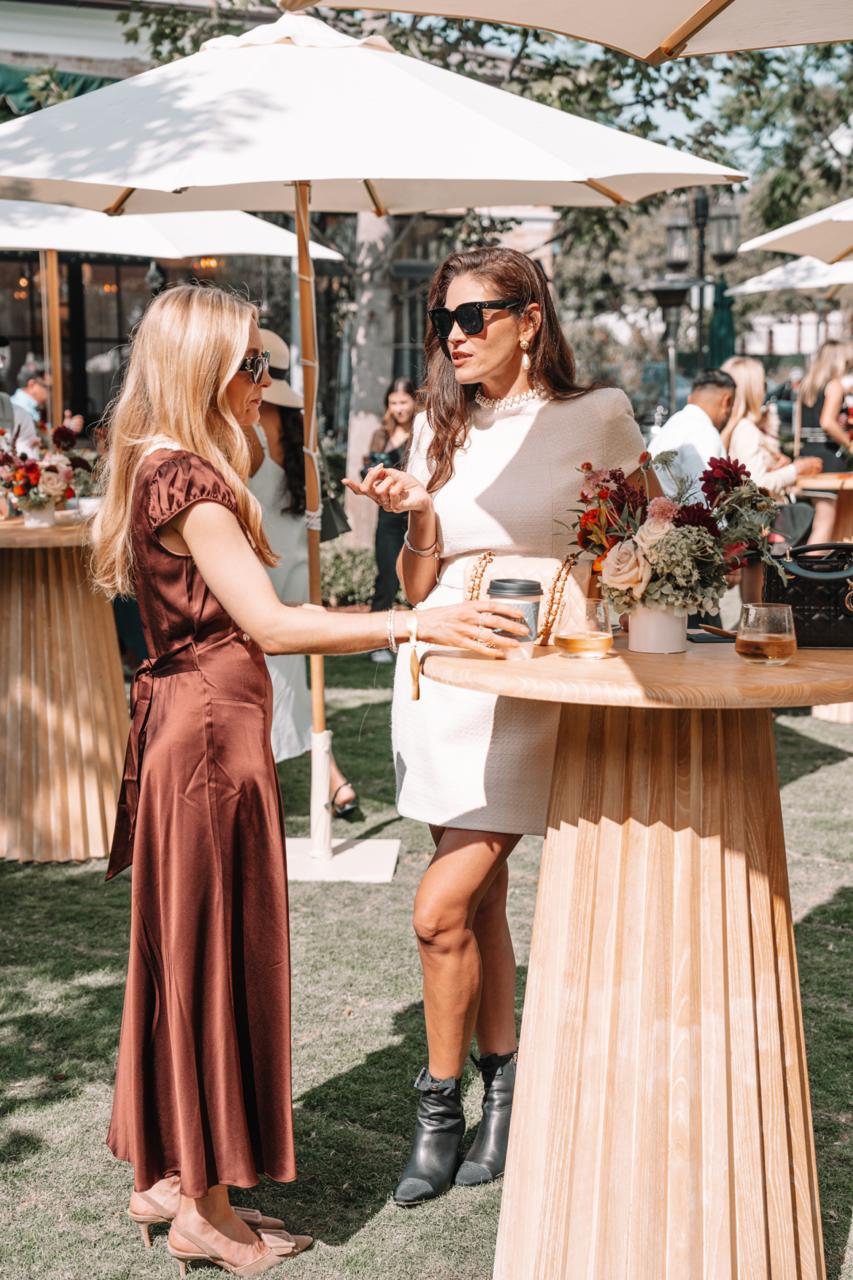
Case : Event photography for Palisades Village
Palisades Village is a premier outdoor shopping and lifestyle destination in Pacific Palisades, California. Capturing events at such an iconic venue requires a blend of candid storytelling, detailed commercial shots, and high-energy atmosphere photography. Below is a breakdown of how we captured the essence and vibrant energy of this event. Every great event begins with […]
More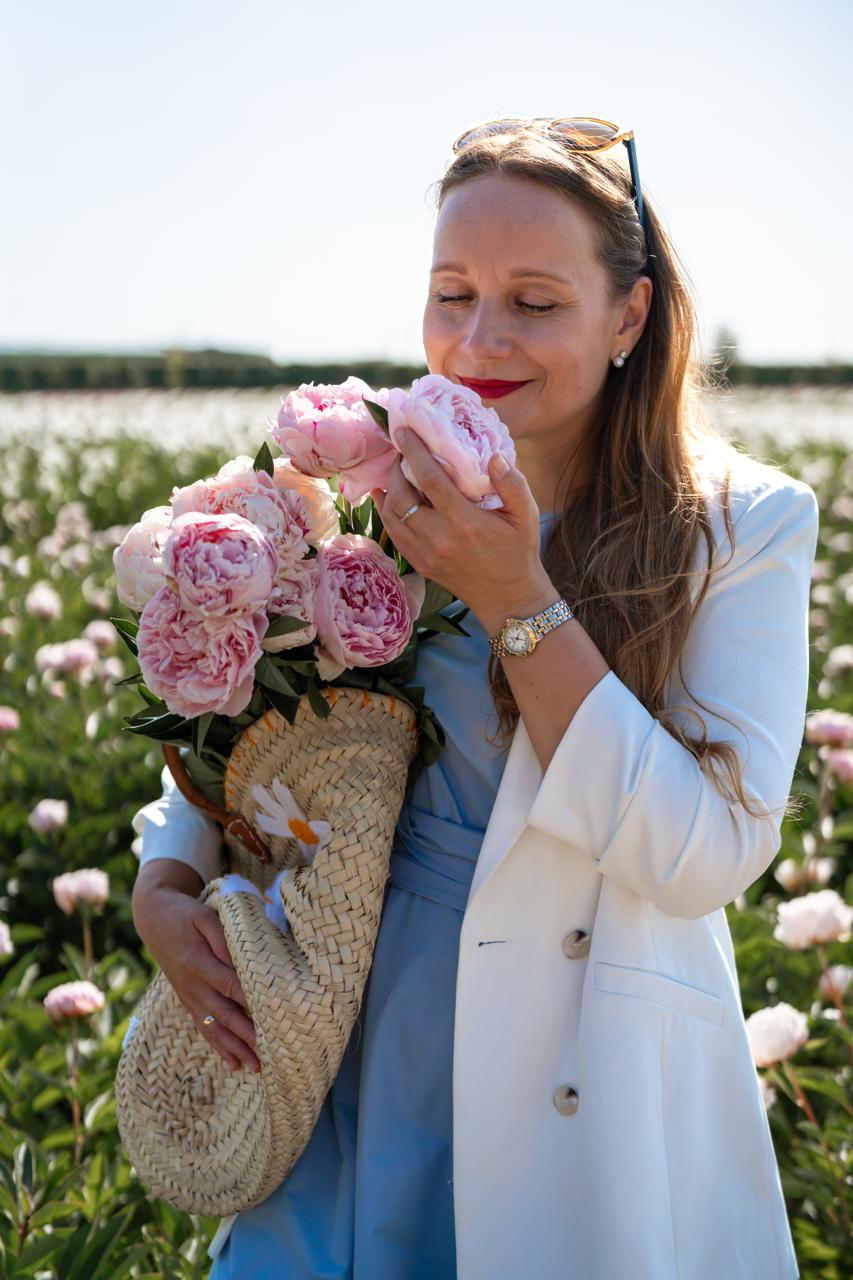
Case : Peony Field Photoshoot at Bury Lane Farm | Cambridge Photographer
This beautiful group portrait photography session took place in the breathtaking peony fields of Bury Lane Farm in Cambridgeshire. As a Cambridge photographer specialising in portrait photography and lifestyle photography, I love creating natural images that capture genuine emotions and meaningful moments. Nine wonderful women came together to enjoy an unforgettable summer afternoon surrounded by […]
More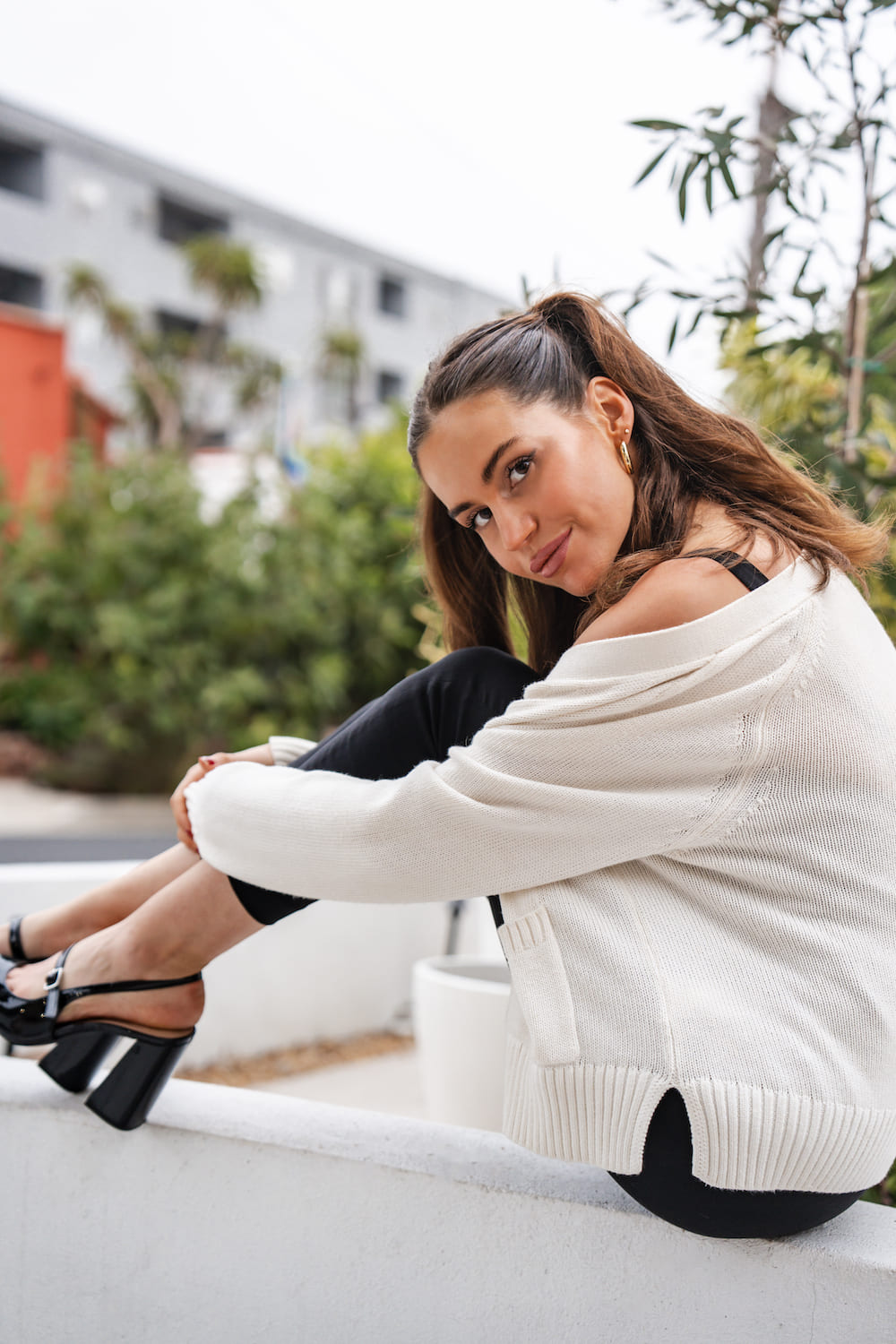
Case : Professional Headshot Photography in West Hollywood
I delivered personalized headshot photography sessions in West Hollywood for professionals seeking high-impact images for articles, corporate profiles, and social media. Client: Professionals and musicians looking to elevate their personal branding with compelling portraits. Objective: To create confident, authentic images that help clients make a memorable first impression. Process: 1. Consultation Discussed each client’s style […]
More