
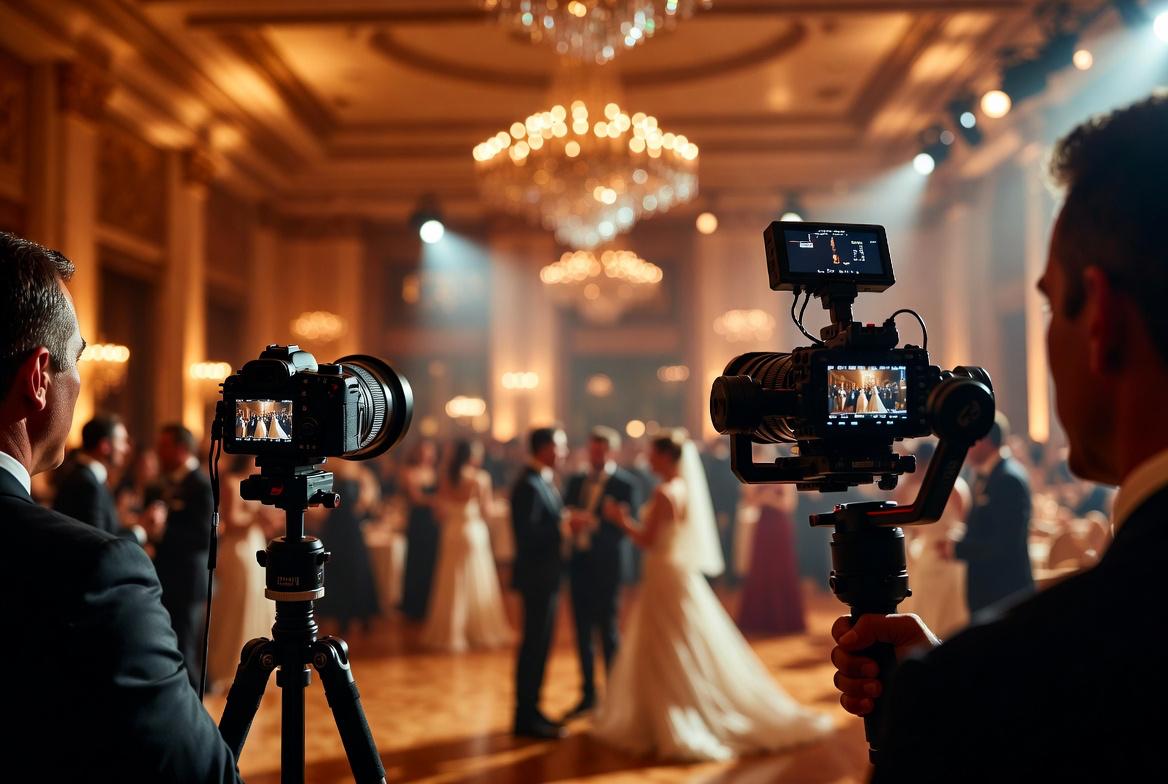
Video vs Photography for Events
Events are moments in time that bring people together to celebrate, create memories, and share experiences. Whether it’s a wedding, corporate function, or community gathering, capturing these events through video and photography allows us to preserve those special moments for years to come. Not only do video and photography provide a visual archive of the event, but they also serve as a powerful tool for storytelling and engagement.
Video and photography each offer unique ways to document events, with both mediums capturing different aspects and emotions that can complement each other. While photography freezes a moment in time, video can capture the movement, sounds, and atmosphere of an event in a dynamic way. Together, these mediums create a comprehensive view of the event, allowing viewers to relive the experience and feel connected to the moments captured.
- Memories Preserved: By capturing events through video and photography, we are able to keep alive the memories and stories that unfold during these special occasions. From candid shots of laughter and joy to heartfelt speeches captured on video, every moment tells a piece of the event’s story.
- Emotional Impact: Both video and photography have the power to evoke emotions and transport viewers back to the event itself. Whether it’s the tears of happiness during a wedding ceremony or the cheers of a crowd at a concert, these mediums allow us to experience the emotions of the event long after it has ended.
- Community Connection: Sharing videos and photographs from an event not only allows those who attended to reminisce but also enables those who couldn’t be there to feel like they were a part of the experience. It fosters a sense of community and connection that reaches beyond the confines of the event itself.
Ultimately, capturing events through video and photography is about preserving memories, engaging audiences, and sharing stories. In this guide, we will explore the importance of both mediums in event coverage, understanding their differences, benefits, and how to maximize their impact. Let’s delve deeper into the world of capturing events through the lenses of video and photography.
Understanding the basics: Video vs Photography for Events
When it comes to capturing moments at an event, there are two main options: video and photography. Each medium has its own unique characteristics, requiring different equipment, skills, and resulting in distinct final outputs.
- Equipment: Video production typically requires more equipment than photography. A videographer may use cameras, microphones, tripods, and lighting equipment to ensure high-quality footage. On the other hand, a photographer relies on cameras, lenses, and possibly lighting gear to capture still images.
- Skills needed: Operating a video camera and editing footage requires specific skills that photographers may not possess. Videographers need to understand shot composition, framing, and how to capture audio effectively. Photographers, on the other hand, focus on lighting, framing, and capturing the perfect moment in a single image.
- Final output: The final output of videos and photographs also differs. Videos capture moments in motion, allowing viewers to experience the event as if they were there. Photographs freeze a single moment in time, highlighting key aspects of the event in a single frame. Both mediums have their own unique ways of conveying the emotions and atmosphere of an event.
It’s important to consider these differences when deciding whether to hire a videographer or a photographer for your event. Depending on your goals and the type of coverage you want, one medium may be more suitable than the other. However, many event organizers choose to use a combination of video and photography to ensure that all aspects of the event are captured effectively.
Ultimately, understanding these basics will help you make an informed decision when it comes to documenting your event. Whether you choose video, photography, or both, each medium has its own strengths and can contribute unique perspectives to the overall coverage of your event. Consider your goals, budget, and preferences before deciding which option is best suited for your specific event.
Budget considerations: Comparing Video vs Photography Costs
When planning an event, one of the key considerations is the budget for capturing the experience through video and photography. Both mediums have their own unique costs that can impact your overall event expenses.
- Videographer costs: Hiring a professional videographer can be more expensive than hiring a photographer. This is due to the additional equipment needed for video production, such as cameras, lighting, and sound equipment.
- Photographer costs: On the other hand, photographers typically have lower upfront costs in terms of equipment compared to videographers. However, the number of photographers needed to cover an event may affect the overall cost.
It’s important to consider the extent of coverage you need for your event when determining your budget for video and photography. Some events may require more extensive video coverage, while others may benefit more from high-quality photographs.
Ultimately, the cost difference between hiring a videographer versus a photographer will depend on the specific requirements of your event and the quality of the final product you are looking to achieve. It’s advisable to compare quotes from different professionals in order to find the best balance between cost and quality.
Flexibility and Versatility: Exploring Video and Photography Coverage at Events
When it comes to capturing moments at events, both video and photography offer unique advantages in terms of flexibility and versatility. Each medium has its own strengths and can be used to capture different aspects of an event.
- Video: Video allows for the capture of movement, sound, and emotion in real-time. This makes it ideal for covering dynamic events such as concerts, sports games, or live performances where the action is constantly changing. Video also provides the opportunity to include interviews, speeches, and other audio elements that can add depth and context to the event coverage.
- Photography: Photography, on the other hand, excels in capturing a single moment in time. A well-composed photograph has the power to convey emotions, tell stories, and highlight details that may be missed in a video. It is great for capturing candid moments, portraits, and small details that make an event unique. Photographs are easily shareable on social media and can quickly grab the attention of viewers.
Ultimately, when deciding between video and photography coverage for your event, consider what aspects you want to capture and how you want to tell the story. Video may be best for documenting the overall atmosphere and energy of the event, while photography can focus on individual moments and details that help create a comprehensive narrative.
By combining both mediums, you can ensure that no moment goes unnoticed and that your event is captured from multiple perspectives, creating a more engaging and immersive experience for your audience. Finding a balance between video and photography coverage will provide a well-rounded and comprehensive representation of your event that appeals to a wider demographic of viewers.
Audience Engagement: Enhancing Event Experiences Through Video and Photography
When it comes to capturing events, engaging with the audience is crucial. Both video and photography play a vital role in enhancing audience engagement before, during, and after the event.
- Before the event: Utilizing teaser videos or captivating photographs on social media platforms can generate excitement and anticipation among attendees. Videos highlighting speakers or performers can give the audience a taste of what to expect, while photos can create visual intrigue.
- During the event: Live streaming through video can bring the event to a wider audience in real-time, allowing those who couldn’t attend in person to still participate. Additionally, photographers capturing candid moments or speaker presentations can provide a different perspective for the audience.
- After the event: Sharing beautifully edited event highlights videos can help prolong the event experience for attendees and reach those who couldn’t be there. Photographs captured at the event can be used for follow-up posts, creating a narrative that keeps the conversation alive.
These mediums, when used strategically, can create a sense of community and inclusion for the audience. By providing visually compelling content, you can keep attendees engaged and eager for future events.
Remember, audience engagement isn’t only about the number of likes or shares; it’s about creating meaningful connections and memorable experiences. Video and photography can help capture these moments and bring your event to life long after it ends.
Expert Tips for Hiring: What to Look For
Choosing the right videographer or photographer for your event can make a world of difference in the final output. Here are some expert tips to keep in mind when hiring:
- Experience: Look for professionals who have experience specifically in event coverage. Check their portfolio to see examples of past work and make sure it aligns with the style you are looking for.
- Equipment: Ask about the type of equipment they use. A good videographer or photographer should have high-quality gear that can capture clear and crisp images or footage.
- Skills: Inquire about their editing skills as well. The way they edit and enhance the final product is just as important as the filming or shooting itself.
- References: Don’t be afraid to ask for references from past clients. Hearing about their experiences working with the professional can give you valuable insight into what to expect.
- Communication: It’s essential to have open and clear communication with your chosen videographer or photographer. Make sure they understand your vision for the event coverage and are willing to work collaboratively with you.
- Cost: While budget considerations are important, try not to prioritize cost over quality. Remember, you get what you pay for, so it’s worth investing in a skilled professional who can deliver exceptional results.
By keeping these expert tips in mind, you can ensure that you hire the right videographer or photographer to capture your event in the best possible way. Remember, the key is to find someone who not only has the technical skills but also understands your vision and can bring it to life through their work.
Maximizing Impact: How to Make Your Event Content Stand Out
So you’ve captured all the amazing moments from your event through video and photography – now what? The key to truly maximizing the impact of your content is to showcase it in a way that engages your audience and leaves a lasting impression. Here are some tips to help you do just that:
- Highlight the Best Moments: When sharing your event content, make sure to highlight the most memorable and impactful moments. These could be emotional speeches, exciting performances, or candid interactions that truly capture the essence of the event.
- Use Captivating Storytelling: Whether through video or photography, storytelling is key to engaging your audience. Consider sequencing your content to create a narrative that draws viewers in and keeps them interested.
- Enhance with Music and Graphics: Adding music and graphics can elevate your event content and make it more visually appealing. Choose music and graphics that complement the mood of your event and enhance the overall experience for viewers.
- Create a Call to Action: Encourage interaction with your content by including a call to action. This could be asking viewers to share their own experiences from the event, visit your website for more information, or book tickets for future events.
- Promote Across Platforms: To reach a wider audience, make sure to promote your event content across various platforms. Share on social media, your website, and email newsletters to increase visibility and engagement.
- Solicit Feedback: Don’t forget to ask for feedback from your audience on what they enjoyed most about the event content. This can help you understand what resonates with viewers and tailor your future content accordingly.
By implementing these strategies, you can ensure that your event content not only captures the moment but also leaves a lasting impact on your audience. Remember, it’s not just about what you capture, but how you present it that truly makes a difference.
Post-production Options
Once you have captured all the amazing moments at your event through video and photography, the next step is post-production. This is where the magic happens as editing can truly enhance the final product and bring your event coverage to life.
For video editing, you can add transitions, music, graphics, and special effects to create a captivating story that engages your audience. You can also color correct and adjust the audio to ensure a professional-looking and sounding video. Don’t forget to consider the pacing of the video to keep the viewer’s attention throughout.
When it comes to photography, editing can transform your photos from good to outstanding. You can adjust the lighting, contrast, colors, and crop the image to highlight the focal point. This process can help bring out the emotions captured in each photograph and make them visually appealing.
- Video Editing: Add transitions, music, graphics, and effects. Color correct and adjust audio. Consider pacing for viewer engagement.
- Photography Editing: Adjust lighting, contrast, colors, and crop images. Enhance emotions and visual appeal.
Consider the overall tone and mood you want to convey with your edited content. Whether it’s a professional, playful, or sentimental look, editing can help you achieve the desired atmosphere for your event coverage.
Remember that post-production is where your creativity can shine, so don’t be afraid to experiment and try new techniques to enhance your videos and photographs. Be open to feedback from others to improve your editing skills and produce high-quality content.
By dedicating time and effort to post-production, you can take your event coverage to the next level and create content that leaves a lasting impression on your audience.
Sharing and distribution
Once you have captured all the amazing moments from your event through video and photography, the next step is to make sure that your content reaches a wider audience. This involves leveraging various platforms and methods for sharing your videos and photographs.
- Social media: One of the most popular ways to share event content is through social media platforms like Facebook, Instagram, Twitter, and LinkedIn. By posting your videos and images on these platforms, you can engage with your audience and encourage them to interact with your content through likes, shares, and comments.
- Event websites: Consider creating a dedicated page on your event website where you can showcase all the video highlights and photo galleries. This can serve as a central hub for attendees and potential attendees to revisit and relive the event experience.
- Email marketing: Another effective way to reach a targeted audience is through email marketing. Create a visually appealing email campaign that includes links to your event videos and photographs, and send it out to your subscribers to remind them of the awesome time they had at your event.
- Video hosting platforms: To ensure that your videos are easily accessible and shareable, consider uploading them to popular video hosting platforms like YouTube, Vimeo, or Wistia. This can help increase the visibility of your content and attract a larger audience.
By utilizing these different platforms and methods for sharing event videos and photographs, you can effectively increase the reach and engagement of your event content. Remember to tailor your distribution strategy based on your target audience and goals, and don’t be afraid to experiment with new approaches to maximize the impact of your event coverage.
Integrating both mediums: Highlighting the benefits of using a combination of video and photography to capture all aspects of an event
When it comes to capturing your event in all its glory, using a combination of video and photography can offer many benefits. Each medium has its unique strengths, and by integrating both, you can create a comprehensive and engaging visual story of your event.
- Capture the atmosphere: Photography excels at freezing moments in time, while video allows viewers to immerse themselves in the atmosphere of the event. By combining the two, you can provide a complete picture that evokes both the emotions captured in a single frame and the dynamic energy of moving images.
- Tell a cohesive story: Using both mediums allows you to tell a more cohesive and impactful story of your event. You can use photographs to highlight key moments and details, while videos can show the progression of events, from preparation to execution, creating a more engaging narrative for your audience.
- Cover all angles: Photos may capture a beautiful moment, but videos can capture the sounds, movements, and interactions that bring the event to life. By combining both mediums, you can cover all angles and ensure that no aspect of your event goes undocumented.
- Maximize content reach: By providing a mix of video and photography content from your event, you can cater to different audience preferences. Some may prefer scrolling through images, while others may enjoy watching a highlight reel. By offering both, you can maximize the reach and engagement of your event coverage.
The key is to use video and photography strategically, ensuring that each medium complements the other to create a comprehensive and compelling visual representation of your event. By integrating both, you can capture all aspects of the event and leave a lasting impression on your audience.
Case Studies and Examples:
When it comes to event coverage, seeing real-life examples can really help illustrate the benefits of using both video and photography. Let’s take a look at some successful event coverage stories:
- Wedding Celebration: A beautiful outdoor wedding was captured through a combination of video and photography. The videographer was able to preserve the heartfelt vows and emotional speeches, while the photographer captured stunning still moments like the first dance and cake cutting. By combining these mediums, the couple was able to have a complete and vivid memory of their special day.
- Corporate Conference: At a large corporate conference, video was used to capture keynote speeches and panel discussions, while photography was utilized to highlight networking sessions and product displays. By having a mix of video and photography coverage, the company was able to engage attendees both during and after the event through different platforms.
- Music Festival: A popular music festival used video to create highlight reels of performances, while photographers captured candid moments of attendees enjoying the music and atmosphere. With a mix of video clips and striking images shared on social media, the festival generated buzz and attracted more attendees for future events.
These examples showcase how combining video and photography can provide a comprehensive and engaging way to capture the essence of an event. By incorporating both mediums, you can create a more immersive and memorable experience for your audience.
Conclusion
After exploring the differences between video and photography for event coverage, it is clear that utilizing both mediums can enhance the overall experience for event attendees and create lasting memories. By combining the visual impact of video with the detailed storytelling of photography, event organizers can ensure that every moment is captured in its full essence.
- Importance of Variety: Both video and photography offer unique perspectives on an event, allowing viewers to engage with the content in different ways. While videos capture dynamic movements and interactions, photographs freeze moments in time, highlighting the emotions and details of each scene.
- Budget Considerations: Understanding the costs associated with hiring a videographer versus a photographer is essential for planning event coverage. While videos may require a larger initial investment, the long-term benefits of having high-quality footage can outweigh the expenses.
- Audience Engagement: Sharing videos and photographs before, during, and after an event can increase audience engagement and generate excitement for future events. Both mediums have the power to evoke emotions and encourage viewers to participate in the event experience.
- Maximizing Impact: By leveraging post-production techniques and creative editing, event coverage can be transformed into compelling visual stories that leave a lasting impression on viewers. Both videos and photographs have the potential to capture the essence of an event and convey its unique atmosphere.
- Integration of Mediums: Combining video and photography allows event organizers to capture all aspects of an event, from candid moments to formal ceremonies. By integrating both mediums seamlessly, a comprehensive event coverage strategy can be established to meet the needs of diverse audiences.
- Final Thoughts: In today’s digital age, the importance of utilizing both video and photography for event coverage cannot be overstated. These mediums not only preserve special moments but also serve as valuable marketing tools for promoting future events and engaging with a wider audience.
More
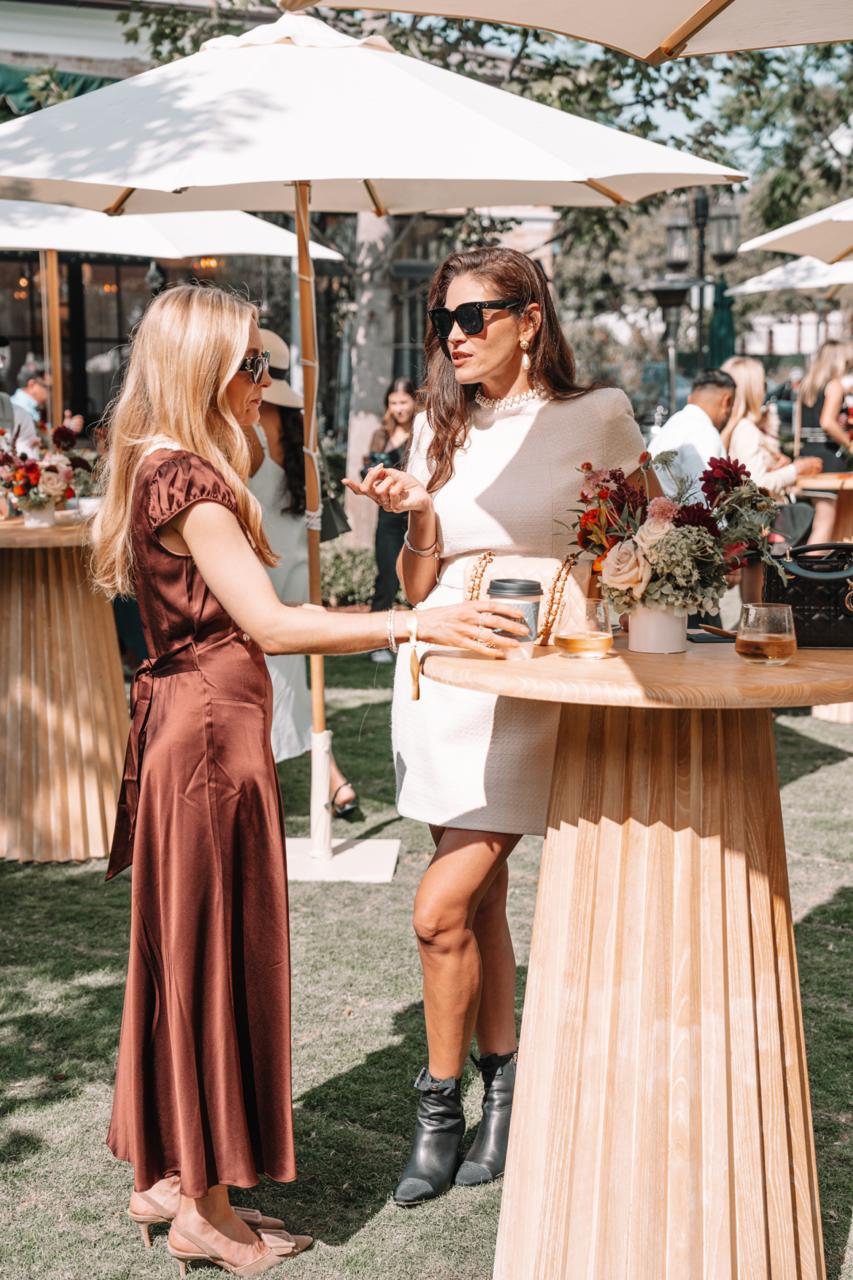
Case : Event photography for Palisades Village
Palisades Village is a premier outdoor shopping and lifestyle destination in Pacific Palisades, California. Capturing events at such an iconic venue requires a blend of candid storytelling, detailed commercial shots, and high-energy atmosphere photography. Below is a breakdown of how we captured the essence and vibrant energy of this event. Every great event begins with […]
More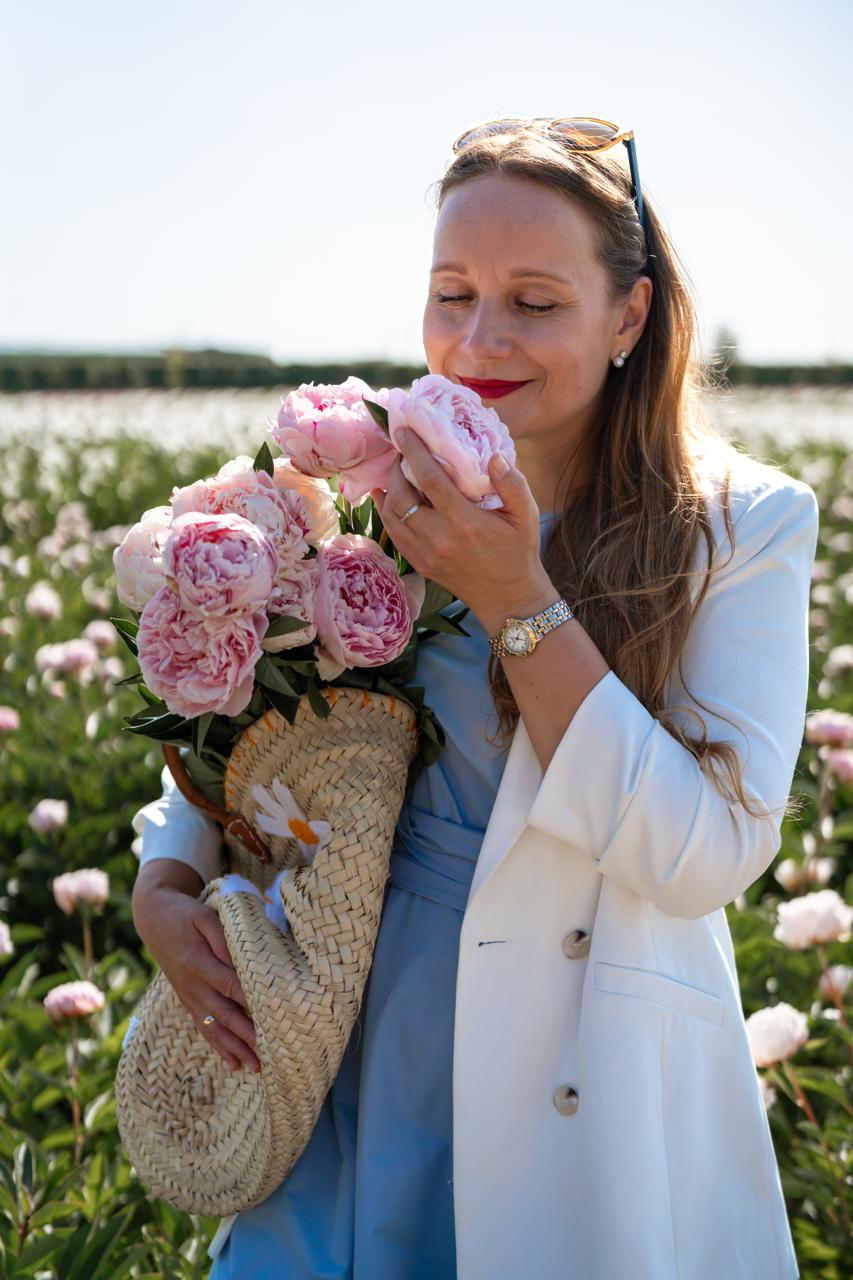
Case : Peony Field Photoshoot at Bury Lane Farm | Cambridge Photographer
This beautiful group portrait photography session took place in the breathtaking peony fields of Bury Lane Farm in Cambridgeshire. As a Cambridge photographer specialising in portrait photography and lifestyle photography, I love creating natural images that capture genuine emotions and meaningful moments. Nine wonderful women came together to enjoy an unforgettable summer afternoon surrounded by […]
More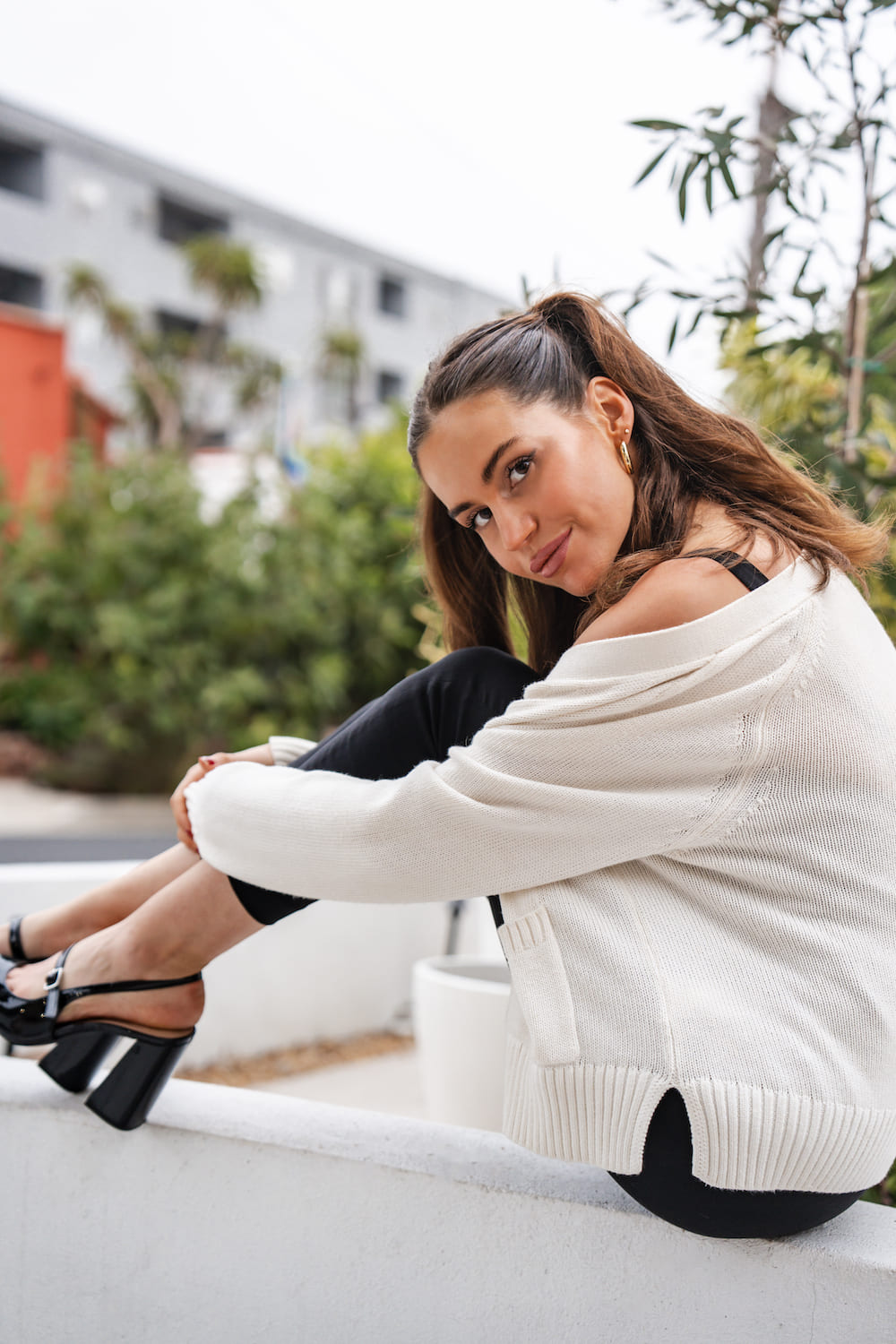
Case : Professional Headshot Photography in West Hollywood
I delivered personalized headshot photography sessions in West Hollywood for professionals seeking high-impact images for articles, corporate profiles, and social media. Client: Professionals and musicians looking to elevate their personal branding with compelling portraits. Objective: To create confident, authentic images that help clients make a memorable first impression. Process: 1. Consultation Discussed each client’s style […]
More