
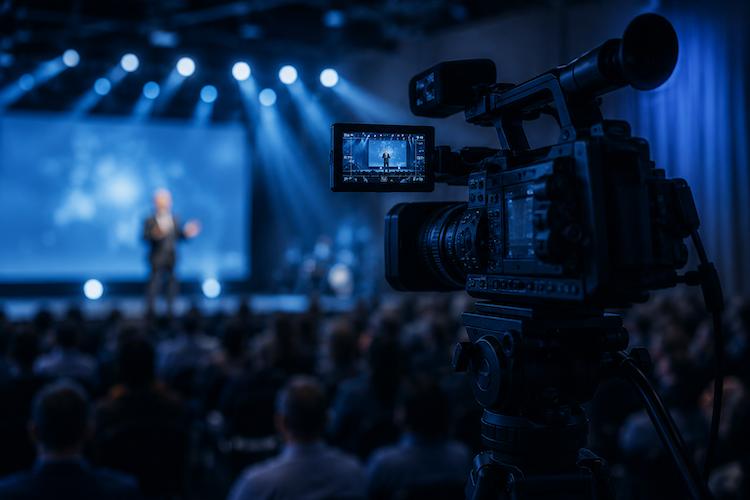
Event Filming Mistakes
One of the most common event filming mistakes is not scouting the location before the big day. It may seem like an unnecessary step, but it can make a huge difference in the quality of your final product. By visiting the location ahead of time, you can familiarize yourself with the layout, lighting conditions, and potential audio challenges. This will help you plan your shots more effectively and ensure that you capture the best footage possible.
- Arrive early and walk around the venue to identify the best shooting spots.
- Check for any potential obstacles or set-up restrictions that may affect your filming.
- Consider how the natural lighting changes throughout the day and where you may need additional lighting equipment.
- Listen for any background noise or audio issues that could impact the quality of your sound recordings.
- Talk to event organizers about the flow of the event and any key moments you should be aware of.
Scouting the location beforehand can also help you come up with a solid shot list and determine the best angles to capture the action. This preparation can save you time and frustration on the day of the event and ultimately lead to a better end result for your client.
Poor Lighting Choices
One of the most common event filming mistakes is choosing poor lighting for your footage. Good lighting is essential to ensure that your videos are clear and visually appealing. Without proper lighting, your footage may appear dull, dark, or blurry, making it difficult for viewers to see and enjoy the content.
- When filming at an event, consider the location’s natural lighting and any artificial lighting sources available. Avoid shooting in areas with harsh shadows or bright sunlight, as this can create unflattering or uneven light on your subjects.
- Instead, look for well-lit areas with soft, diffused light that will enhance the overall look of your footage. You may need to bring additional lighting equipment, such as LED panels or reflectors, to supplement the existing light sources and create a more polished look.
- Always test the lighting setup before you start recording to ensure that the colors are accurate and the exposure is correct. Adjust the lights as needed to eliminate any dark spots or glare that could affect the quality of your footage.
Remember that lighting sets the mood and tone of your videos, so choose the right lighting design that aligns with the event’s atmosphere and theme. Whether you want a cozy and intimate feel or a bright and energetic look, the lighting can significantly impact the overall ambiance of your footage.
Additionally, pay attention to the direction and angle of the light to avoid unwanted shadows or reflections. Position the lights strategically to highlight your subjects and create depth in your shots, adding visual interest to your video.
Ultimately, investing time and effort into selecting the right lighting for your event filming can make a significant difference in the quality of your footage. By enhancing the lighting, you can elevate the overall production value of your videos and captivate your audience with visually stunning content.
Neglecting Audio Quality
One of the most common event filming mistakes is neglecting audio quality. While the visual aspects of a video are important, audio quality is equally crucial in delivering a professional final product. Poor audio can detract from the overall viewing experience and make it difficult to understand the message being conveyed.
There are several key factors to consider when it comes to audio quality in event filming. First and foremost, it’s essential to use proper microphones that can capture clear, crisp sound. Built-in camera microphones may not always be sufficient, especially in noisy environments. External microphones or lavaliers can help to ensure that audio is captured accurately.
- Invest in high-quality audio recording equipment
- Check audio levels beforehand to prevent clipping or distortions
- Consider using a dedicated audio recorder to capture sound separately
Additionally, it’s important to pay attention to the surrounding environment when filming. Avoid noisy backgrounds or distracting sounds that can interfere with the audio quality. Position microphones strategically to pick up clear sound without capturing unwanted noise.
Another common mistake is neglecting to monitor audio levels during filming. It’s essential to regularly check audio levels through headphones to ensure that sound is being captured properly. Adjust levels as needed to prevent distortions or inconsistencies in audio quality.
Furthermore, proper post-production techniques can help to enhance audio quality in the editing process. Use audio editing software to remove background noise, adjust levels, and improve overall clarity. Adding music or sound effects can also enhance the overall experience for viewers.
Remember, clear audio is key to delivering a professional and engaging event filming video. Don’t overlook this essential aspect of the production process, as it can significantly impact the final result. By investing time and effort into ensuring high-quality audio, you can create a seamless and immersive viewing experience for your audience.
Lack of a clear shot list
One of the most common event filming mistakes is failing to create a clear shot list. A shot list is like a roadmap for your video, outlining exactly what shots you need to capture to tell the story effectively. Without a shot list, it’s easy to miss key moments or important details that could make or break your final product.
- Start by meeting with the event organizers to understand their vision for the video. What key moments or elements do they want to be included? This will help you create a shot list that aligns with their expectations.
- Think about the types of shots you’ll need to capture. This could include wide shots to establish the location, medium shots for interviews or action, and close-up shots for details or emotional moments.
- Consider any specific shots or angles that are essential for telling the story. For example, if it’s a wedding, you’ll want to include shots of the bride walking down the aisle, the first dance, and so on.
- Remember to include b-roll shots to add visual interest to your video. These can be used to cover cuts, illustrate points, or simply add variety to your footage.
By creating a clear shot list before the event, you’ll ensure that you capture everything you need to create a compelling video. It also helps you stay organized and makes the editing process much smoother. Don’t forget to refer back to your shot list throughout the event to make sure you’re capturing all the necessary shots.
Ultimately, a clear shot list is essential for producing high-quality event films that meet the expectations of both clients and viewers. Don’t underestimate the power of this simple but effective tool in ensuring your success as a filmmaker.
Failure to communicate with event organizers
One of the biggest mistakes you can make when filming an event is failing to communicate effectively with the event organizers. Organizers have vital information about the schedule, key moments, and any special requirements that need to be captured. By neglecting to touch base with them beforehand, you run the risk of missing important shots and not meeting their expectations.
Imagine filming a wedding without knowing when the first kiss or cake cutting will happen. Or covering a music festival without realizing the lineup changes at the last minute. These scenarios can easily be avoided by simply reaching out to the organizers and discussing their needs and expectations for the event.
- Make sure to coordinate with the event organizers to get a clear understanding of the schedule and key moments of the event.
- Ask if there are any specific shots they want to make sure you capture, such as speeches, performances, or group photos.
- Clarify any restrictions or guidelines they may have regarding filming at the event, including where you are allowed to set up your equipment.
By establishing open communication with the event organizers, you can ensure that you are well-prepared to capture all the important moments of the event. Not only will this help you create a more effective final product, but it will also show the organizers that you are committed to delivering a high-quality result that meets their needs and exceeds their expectations.
Remember, communication is key in any successful collaboration. By taking the time to engage with the event organizers and understand their vision for the event, you can set yourself up for success and avoid costly mistakes that could have easily been prevented with a little conversation.
Inadequate Equipment Preparation
One of the biggest mistakes event filmmakers can make is failing to adequately prepare their equipment. This oversight can lead to a myriad of issues during filming, from missing crucial shots to experiencing technical difficulties that could have been avoided with proper planning.
- Ensure all equipment is fully charged and in good working order before the event. Running out of battery or encountering malfunctions during filming can cause disruptions and impact the quality of the final product.
- Bring backup batteries, memory cards, and any other necessary accessories. You never know when you might need them, and being prepared can save you from missing important moments.
- Consider the specific needs of the event when choosing equipment. For example, if you are filming an outdoor event, make sure you have the appropriate gear to handle varying weather conditions.
- Take the time to familiarize yourself with your equipment and test it beforehand. Being able to operate your gear efficiently will help you capture the best footage possible on the day of the event.
Remember, it’s better to be over-prepared than to find yourself scrambling to fix equipment issues in the middle of an event. By taking the time to properly prepare your gear, you’ll ensure a smoother filming process and ultimately produce better results for your clients.
Disregarding Proper Editing Techniques
When it comes to event filming, the work doesn’t stop once you capture all the footage. Editing is a crucial part of the process that can make or break the final product. Unfortunately, some filmmakers make the mistake of disregarding proper editing techniques which can result in a less than impressive video.
- Unorganized Footage: One common mistake is diving into editing without first organizing the footage. It’s important to label and categorize all your clips so that you can easily navigate them during the editing process. This will save you time and frustration in the long run.
- Overediting: It can be tempting to use every fancy effect or transition in the book, but sometimes less is more. Overediting can distract from the content of the video and make it look amateurish. Stick to the basics and enhance the footage, not overshadow it.
- Ignoring Audio: Just as important as the visual aspect of your video is the audio. Neglecting to properly adjust levels, add ambient noise or music, and fix any issues with sound quality can result in a lackluster final product. Take the time to focus on both the visual and audio elements of your edit.
By taking the time to carefully edit your footage, you can enhance the overall quality of the video and create a piece that truly captures the essence of the event. Don’t rush through the editing process but rather approach it with care and attention to detail. Your audience will thank you for it.
Overlooking Talent Release Forms
When it comes to filming an event, capturing great footage is only half the battle. Many event filmmakers make the mistake of overlooking the importance of talent release forms. This critical document is essential for obtaining permission to use a person’s likeness in your video.
Imagine this scenario: you’ve filmed a fantastic event with engaging speakers and attendees, but later realize you don’t have signed talent releases to use their images or voices in your final product. Without these forms, you could face legal consequences for using someone’s likeness without their consent.
To avoid this potential disaster, always remember to secure talent release forms before shooting any footage at an event. Whether you’re interviewing a guest speaker, capturing audience reactions, or featuring performers, having signed permission forms protects both you and the individuals being filmed.
- Always have talent release forms readily available for people to sign before filming them.
- Clearly explain the purpose of the release form and how their image or voice will be used in the final production.
- Make sure to collect separate forms for each individual appearing on camera to ensure legal compliance.
By prioritizing the use of talent release forms, you demonstrate professionalism and respect for the individuals involved in the event. It also provides you with legal protection and peace of mind when showcasing your work to a wider audience.
Remember, talent release forms are not just a formality – they are a vital component of the event filming process that should never be overlooked. By obtaining proper documentation, you can avoid potential legal issues and maintain trust with your clients and collaborators.
Ignoring Legal Considerations
When it comes to event filming, it’s crucial to understand and follow all legal considerations to protect yourself and your clients. Ignoring these important aspects can lead to serious consequences.
- Copyrights: One common mistake is not obtaining proper permissions or licenses to use copyrighted music, images, or other content in your videos. Make sure to secure the necessary rights before including any copyrighted material in your footage.
- Public vs. Private Spaces: Filming in public spaces is usually allowed, but filming on private property without authorization can lead to legal trouble. Always get permission from property owners before filming on their premises.
- Model Releases: If you are featuring individuals in your video, it’s essential to get their consent through a signed model release form. This document allows you to use their image in your video without facing legal issues related to privacy and publicity rights.
- Permits: Some event locations require permits for filming activities. Make sure to check whether you need any specific permits beforehand to avoid facing fines or restrictions during filming.
- Licensing and Distribution: Ensure that you have all the necessary licenses for using and distributing your video content. Ignoring licensing agreements could result in your video being taken down or facing legal action.
By paying attention to legal considerations, you not only protect yourself but also build trust with your clients. It’s essential to respect intellectual property rights, privacy laws, and other legal requirements when filming events. Remember that ignorance of the law does not exempt you from its consequences, so be proactive in understanding and abiding by legal standards.
Relying too heavily on post-production fixes
One common mistake that event filmmakers make is relying too heavily on post-production fixes to correct mistakes made during filming. While post-production editing software can be a powerful tool for enhancing and polishing footage, it should not be used as a crutch to fix poor filming techniques.
- It’s easy to fall into the trap of thinking that you can fix any mistake in post-production. However, relying on post-production fixes to salvage poorly filmed footage can result in an end product that looks unnatural or disjointed. It’s essential to strive for excellence while filming to minimize the need for extensive editing later on.
- Post-production editing should be used to enhance, not rescue, your footage. While post-production can help to correct minor errors or improve the overall quality of your video, it’s essential to keep in mind that major technical issues or mistakes made during filming cannot always be fixed in post.
- Over-editing your footage can also result in a loss of authenticity. While it’s tempting to use fancy special effects or filters to spice up your video, over-editing can make your footage look unnatural or contrived. Remember to keep your editing style consistent with the tone and style of the event you are filming.
Ultimately, the best way to avoid relying too heavily on post-production fixes is to focus on capturing high-quality footage during filming. Take the time to plan your shots, communicate with event organizers, ensure proper lighting and audio conditions, and be prepared with the right equipment. By addressing potential issues during filming, you can minimize the need for extensive editing in post-production and produce a final video that truly captures the essence of the event.
Failing to Respect Client Preferences
One of the most common mistakes that event videographers make is failing to listen to and respect the preferences of their clients. Every client has a unique vision for their event, and it’s crucial for videographers to take the time to understand and incorporate these preferences into their work.
- Communication is Key: Before the event, make sure to sit down with your client and have a detailed discussion about their expectations, style preferences, and any specific shots or moments they want captured. This open line of communication will help ensure that you are both on the same page throughout the filming process.
- Flexibility is Essential: While it’s important to have a shot list and plan in place, be prepared to adapt and make changes according to your client’s wishes. If they request a certain style of editing or additional shots, do your best to accommodate them. Remember, it’s their event, and they have the final say.
- Take Constructive Criticism: After the event, be open to feedback from your clients. If there are aspects of the video they are not satisfied with, listen to their concerns and make necessary revisions. It’s important to remember that this video represents their special day, and you want them to be happy with the final product.
By respecting your client’s preferences, you not only build a stronger relationship with them but also increase the chances of receiving positive referrals and reviews. Remember, happy clients are more likely to recommend your services to others and hire you for future events.
Lack of Backup Plans and Contingencies
When it comes to event filming, having a solid backup plan is crucial. No matter how well you prepare or how experienced you are, unexpected things can and will happen. Not having backup plans in place can turn what could have been a small hiccup into a major headache.
- Equipment Malfunctions: One of the most common issues that can arise during an event shoot is equipment failure. Imagine your camera suddenly stops working or your memory card gets corrupted. Without a backup camera or spare memory cards, you risk missing key moments of the event. Always carry extra equipment and ensure they are ready to use at a moment’s notice.
- Weather Conditions: Mother Nature can be unpredictable. An outdoor event might be interrupted by rain or intense heat. Be prepared with gear to protect your equipment, such as rain covers and umbrellas. If necessary, have an indoor backup location identified beforehand.
- Sudden Changes in Schedule: Events can sometimes run behind schedule or experience last-minute changes. Stay flexible and be ready to adapt quickly. Make sure to communicate effectively with event organizers so that you’re always aware of how the day is evolving.
- Unexpected Events: No matter how well you scout the location or plan out your shot list, there may still be surprises. Be prepared to think on your feet and capture these unexpected moments creatively. Having a backup plan for various scenarios will help you stay calm and focused when the unexpected inevitably occurs.
Ultimately, having backup plans and contingencies in place shows that you are a professional who takes their job seriously. It demonstrates your commitment to delivering quality work no matter the circumstances. Remember, it’s not about expecting the worst, but rather being prepared for whatever may come your way. By staying proactive and adaptable, you can ensure a successful event filming experience for both yourself and your clients.
More
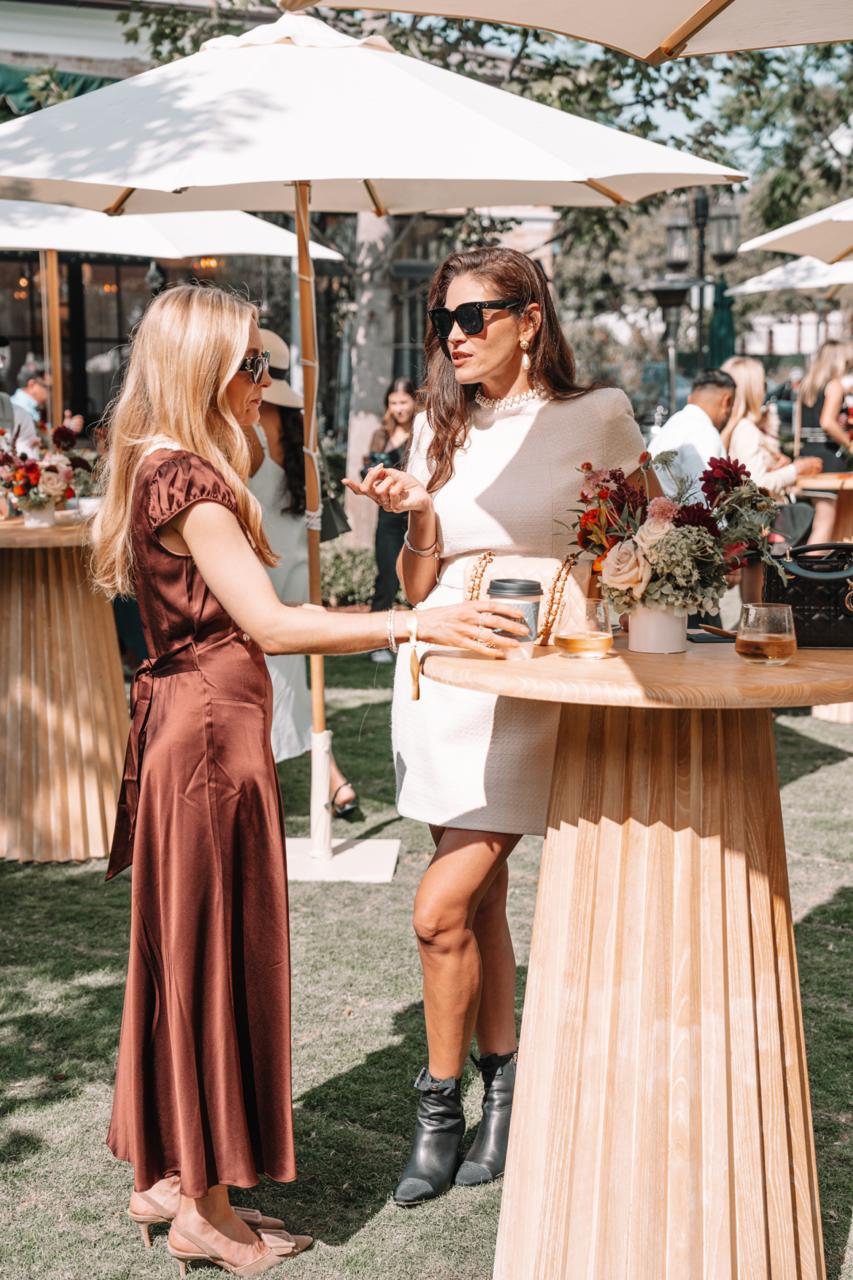
Case : Event photography for Palisades Village
Palisades Village is a premier outdoor shopping and lifestyle destination in Pacific Palisades, California. Capturing events at such an iconic venue requires a blend of candid storytelling, detailed commercial shots, and high-energy atmosphere photography. Below is a breakdown of how we captured the essence and vibrant energy of this event. Every great event begins with […]
More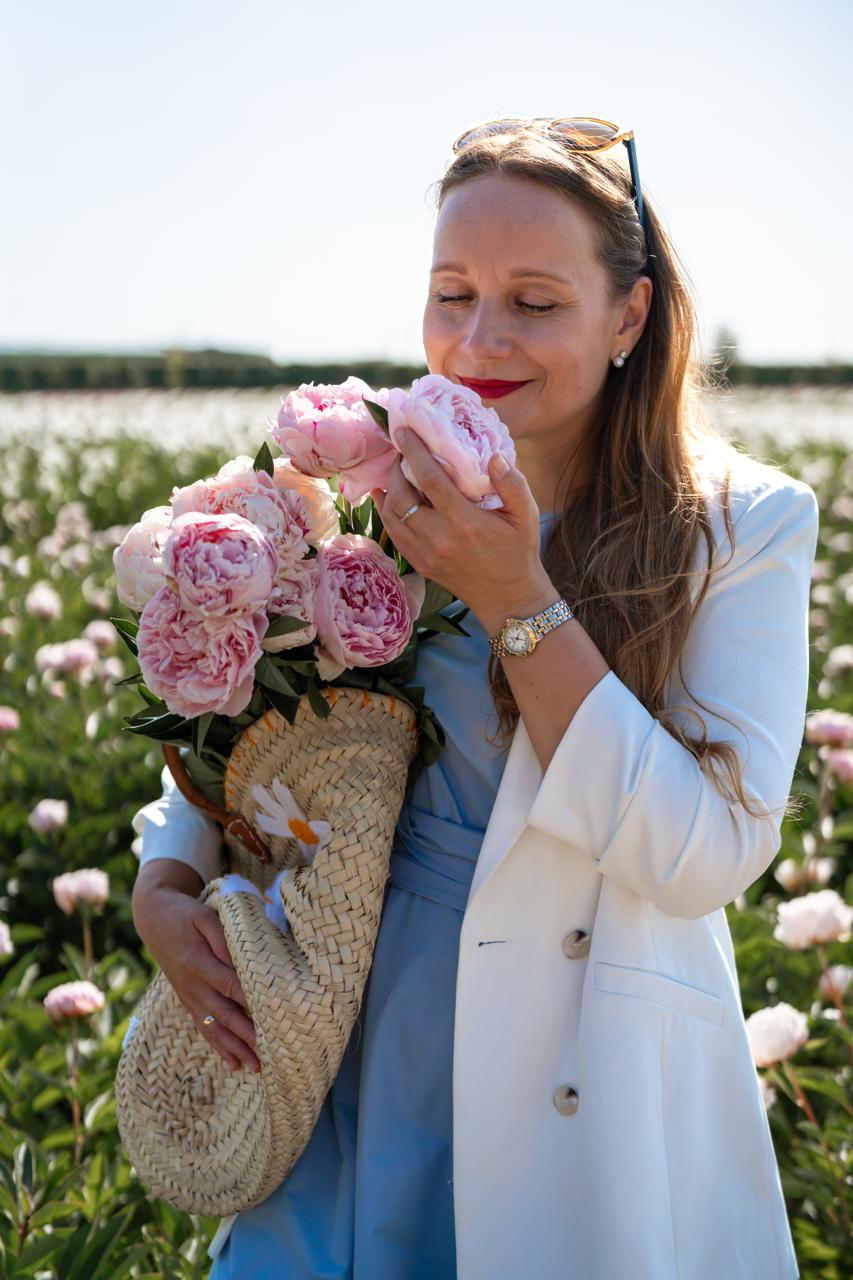
Case : Peony Field Photoshoot at Bury Lane Farm | Cambridge Photographer
This beautiful group portrait photography session took place in the breathtaking peony fields of Bury Lane Farm in Cambridgeshire. As a Cambridge photographer specialising in portrait photography and lifestyle photography, I love creating natural images that capture genuine emotions and meaningful moments. Nine wonderful women came together to enjoy an unforgettable summer afternoon surrounded by […]
More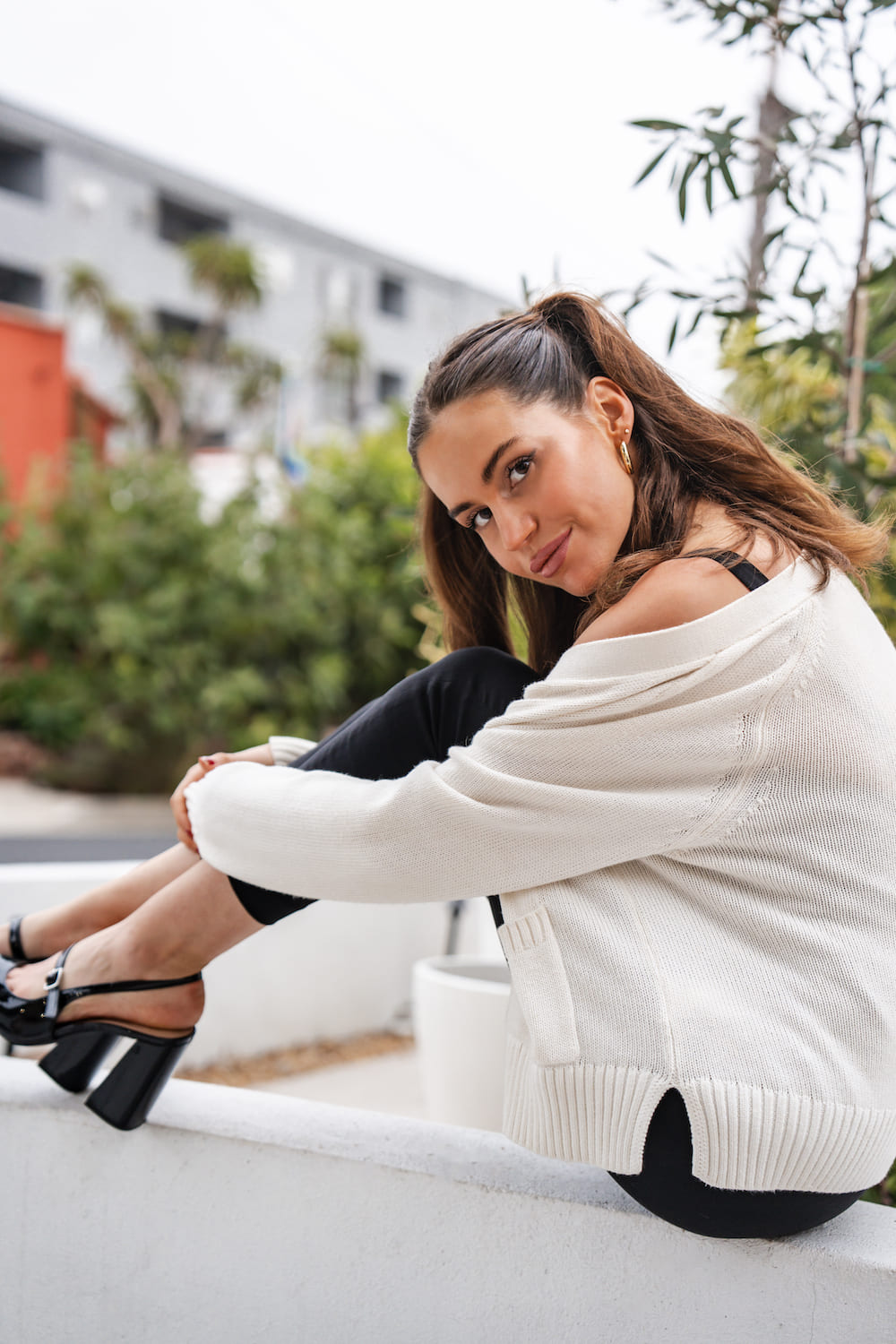
Case : Professional Headshot Photography in West Hollywood
I delivered personalized headshot photography sessions in West Hollywood for professionals seeking high-impact images for articles, corporate profiles, and social media. Client: Professionals and musicians looking to elevate their personal branding with compelling portraits. Objective: To create confident, authentic images that help clients make a memorable first impression. Process: 1. Consultation Discussed each client’s style […]
More