
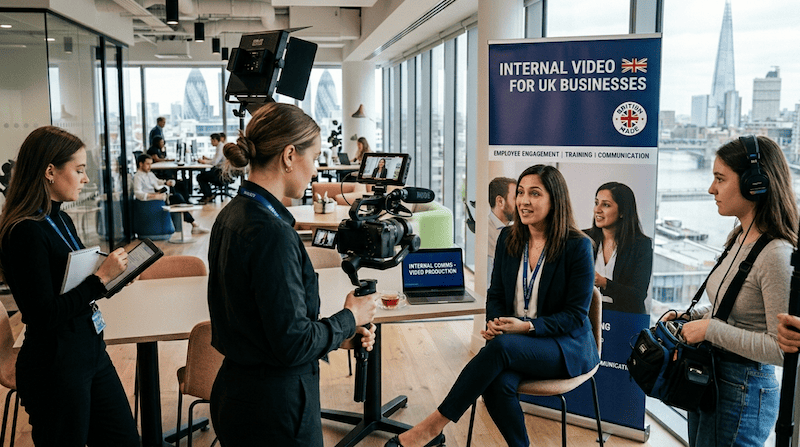
Internal Company Videos for UK Businesses
Internal company videos have become a valuable communication tool in today’s fast-paced business world. They offer a unique way to engage and connect with employees, whether they are working from the office or remotely. In the UK, businesses of all sizes are recognizing the benefits of using internal videos to improve communication, training, and overall employee engagement.
One of the primary benefits of internal company videos is their ability to break down complex information into easily digestible content. Whether you are introducing a new company policy, explaining a new process, or providing training materials, videos can simplify the message and make it more engaging for your audience.
- Improved Employee Engagement: Internal videos can help create a sense of community and camaraderie among employees by sharing important updates and fostering open communication.
- Cost-Effective Communication: Producing videos for internal use can be a cost-effective way to reach a large audience without the need for in-person meetings or printed materials.
- Consistent Messaging: By creating internal company videos, you ensure that every employee receives the same information in a standardized format, reducing the risk of miscommunication.
Moreover, videos have the added benefit of being able to emotionally connect with viewers through storytelling and visuals. This emotional connection can make the information more memorable and impactful for employees, leading to better retention of important company messages.
As the workplace continues to evolve, internal company videos play a crucial role in keeping employees informed, inspired, and connected. In the following sections of this guide, we will delve into the different types of internal company videos, how to set goals and objectives, planning and budgeting for video production, and much more to help you leverage the power of video communication within your organization.
Understanding the different types of internal company videos and their uses
Internal company videos come in various forms, each serving a specific purpose within the organization. Understanding the different types can help you choose the right format to achieve your goals effectively.
- Training videos: These videos are designed to educate employees on various topics such as product knowledge, company policies, or safety procedures. They are a great way to onboard new hires and provide continuous learning opportunities to existing staff.
- Culture videos: Culture videos showcase the values, mission, and day-to-day operations of the company. They help build a sense of community among employees and promote a positive work environment.
- Leadership message videos: These videos feature company leaders sharing important updates, vision, or strategic direction with the team. They help connect employees with senior management and align everyone towards common goals.
- Event coverage videos: Whether it’s a company party, team-building activity, or industry conference, event coverage videos capture the highlights and allow employees who couldn’t attend to feel included.
- Testimonial videos: Employees sharing their experiences, feedback, or success stories can be powerful tools for motivating and engaging colleagues. These videos also showcase the positive impact of the company’s culture and practices.
- Product demonstration videos: For companies that offer products or services, demo videos can be used internally to train sales teams, customer service representatives, or anyone else who needs to understand the offerings in detail.
By incorporating a mix of these types of internal company videos into your video strategy, you can keep employees informed, engaged, and aligned with the business objectives. Each video type serves a unique purpose, but they all contribute to enhancing communication, fostering teamwork, and driving overall success within the organization.
Establishing goals and objectives for your internal company videos
Before you dive into creating internal company videos, it’s important to first establish clear goals and objectives. By defining what you hope to achieve with your videos, you can ensure that your efforts are focused and purposeful.
Start by asking yourself what message you want to communicate to your audience. Are you looking to educate employees about new processes? Or perhaps you want to boost morale and team spirit within the organization? By pinpointing the specific objective of each video, you can tailor your content to meet those needs.
Next, consider the desired outcome of your internal company videos. Do you want to increase employee engagement and satisfaction? Improve communication and information sharing within teams? By setting measurable goals, such as increased views or positive feedback from viewers, you can track the success of your videos and make adjustments as needed.
- Identify your target audience: Think about who will be watching your internal company videos. Are they entry-level employees, middle managers, or executives? Tailor your content and messaging to resonate with the intended viewers.
- Align with company values and culture: Ensure that your videos reflect the values and culture of your organization. This can help reinforce important messages and create a sense of unity among employees.
- Drive action and behavior change: Consider how you want viewers to respond to your videos. Do you want them to adopt new practices, participate in company initiatives, or simply feel more connected to the organization?
- Measure success: Define key performance indicators (KPIs) that align with your goals and objectives. Track metrics such as views, engagement rates, and feedback to gauge the effectiveness of your internal company videos.
By establishing clear goals and objectives for your internal company videos, you can create content that is impactful, relevant, and ultimately drives positive outcomes for your organization.
Planning and Budgeting for Your Internal Company Video Production
Creating internal company videos can be a powerful tool to engage and inform your employees. However, before diving into production, it’s important to carefully plan out the process and set a budget to ensure everything goes smoothly.
Start by outlining the goals and objectives of your video project. Are you looking to train new employees, share company updates, or boost employee morale? Defining the purpose of your videos will help guide the rest of your planning process.
- Identify key stakeholders who will be involved in the project, from content creators to video editors.
- Establish a realistic timeline for the production, taking into account any necessary approvals and revisions.
- Determine the overall budget for your video project, including costs for equipment, talent, and post-production.
When setting your budget, consider the level of production quality you want to achieve. While professional-grade equipment and talent may come at a higher cost, investing in high-quality videos can have a greater impact on your audience.
If you’re working with a limited budget, don’t be afraid to get creative. Utilize in-house resources and equipment, or consider partnering with a local videographer or production company to help bring your vision to life without breaking the bank.
Remember to also budget for additional costs such as music licensing, graphic design, and any other specialized services that may be required for your videos.
As you plan and budget for your internal company video production, keep in mind the potential return on investment. Effective internal videos can improve communication, increase engagement, and boost overall employee satisfaction within your organization.
By carefully planning and budgeting for your video project, you can ensure a successful production that meets your goals and resonates with your audience.
Choosing the right video format and style for your internal company videos
When it comes to creating internal company videos for your UK business, it’s important to consider the most effective format and style for your specific audience and message. The format and style of your video can have a significant impact on how the content is received and understood by your employees.
- Format: There are several different formats to choose from when creating internal company videos. Some common options include traditional talking head videos, animation, screen recordings, and live action. Consider the tone and purpose of your video when deciding on the format. For example, if you’re delivering a formal message from the CEO, a traditional talking head video may be most appropriate. On the other hand, if you’re trying to simplify complex information, animation could be a more engaging option.
- Style: The style of your video should align with your company culture and branding. Think about the colors, fonts, and overall visual aesthetic that best represent your brand. Are you going for a more corporate and professional look, or do you want to convey a fun and relaxed vibe? Tailoring the style of your video to match your company’s identity will help reinforce your messaging and strengthen employee engagement.
- Audience: It’s crucial to consider who will be watching your internal company videos. Are they frontline employees who may prefer short, snappy videos, or are they higher-level executives who may appreciate more detailed and polished content? Understanding your audience’s preferences and needs will guide your decisions on format and style.
- Feedback: Don’t be afraid to test different formats and styles with your audience to see what resonates best. Collect feedback from employees to learn what type of videos they find most engaging and informative. This feedback loop will help you refine your video strategy over time and ensure that your internal company videos are hitting the mark.
By carefully considering the format and style of your internal company videos, you can create content that effectively communicates your message, engages your employees, and reinforces your company culture.
Writing a script and creating a storyboard for your internal company videos
When it comes to creating engaging internal company videos, having a well-written script and storyboard is crucial. These tools will guide the filming and editing process, ensuring that your message is clear and impactful.
Start by crafting a script that outlines the key points you want to convey in your video. Keep it concise and focused, making sure to highlight the main objectives of the video. Avoid using jargon or overly technical language, as you want to ensure that all viewers can easily understand the content.
- Begin with a strong opening that grabs the viewer’s attention and sets the tone for the rest of the video.
- Organize the content into clear sections, with each section leading logically into the next.
- Include relevant examples, anecdotes, or case studies to reinforce your message and make it more relatable.
- End with a powerful conclusion that summarizes the key takeaways and leaves a lasting impression on the viewer.
Once you have finalized your script, it’s time to create a storyboard. This visual representation of your video will help you plan out the shots, scenes, and transitions needed to bring your script to life.
- Sketch out each scene, including details such as camera angles, shot types, and any necessary props or visuals.
- Include notes on the timing of each shot and any dialogue or voiceover that will be included.
- Use simple stick figures or rough sketches to convey the basic layout of each scene, focusing on key elements that need to be highlighted.
By having a well-thought-out script and storyboard, you can streamline the production process and ensure that your internal company videos are professional and engaging. These tools will not only help you stay organized during filming but will also ensure that your message resonates with your audience.
Setting up your filming equipment and recording high-quality footage
Before you start filming your internal company videos, it’s crucial to ensure that you have the right equipment set up to capture high-quality footage. Invest in a good quality camera, tripod, lighting equipment, and microphones to ensure that your videos look and sound professional.
- Camera: Choose a camera that can shoot in HD or 4K resolution for crisp, clear visuals. Ensure that your camera has manual settings for focus, exposure, and white balance to have more control over the look of your videos.
- Tripod: Using a tripod will help stabilize your shots and prevent shaky footage. Make sure to adjust the height and angle of the camera to get the best framing for your video.
- Lighting equipment: Good lighting is crucial for producing high-quality videos. Invest in softboxes or professional lighting kits to ensure that your subject is well lit and free from harsh shadows.
- Microphones: Clear audio is just as important as crisp visuals. Invest in a high-quality microphone, whether it’s a shotgun microphone or a lavaliere mic, to capture clean sound without any background noise.
Once you have all your equipment set up, take some time to test the settings and make any necessary adjustments. Check the framing, lighting, and sound levels before starting to record to ensure everything looks and sounds great.
During filming, pay attention to the composition of your shots, making sure to frame your subject effectively and vary the angles and shot sizes to keep the viewer engaged. Be mindful of the audio levels and background noise, making adjustments as needed to ensure clear sound.
Remember to communicate with your participants or presenters, providing them with guidance and feedback to ensure they are comfortable in front of the camera and delivering their message effectively.
By setting up your filming equipment correctly and paying attention to the details during recording, you can capture high-quality footage that will elevate the overall production value of your internal company videos.
Editing and Post-Production Techniques for Your Internal Company Videos
Now that you have captured all the footage for your internal company videos, it’s time to bring it all together through editing and post-production. This is where the magic happens, and your raw footage transforms into a polished and professional video that effectively communicates your message.
- Organize Your Footage: Start by organizing your video files and selecting the best clips for your final video. Consider the flow and structure of your video to ensure a cohesive narrative.
- Add Transitions and Effects: Enhance the visual appeal of your video by adding transitions between scenes and incorporating effects like text overlays or animations to highlight key points.
- Enhance Sound Quality: Pay attention to the audio in your video, ensuring that it is clear and crisp. Remove any background noise and consider adding music or sound effects to enhance the viewing experience.
- Include B-Roll Footage: Incorporating b-roll footage can help break up the main content of your video and make it more engaging for viewers. Use this additional footage to visually reinforce your message.
- Color Correction and Grading: Ensure consistency in the color scheme of your video by correcting any discrepancies in lighting or tone. You can also add color grading effects to enhance the overall look of your video.
- Review and Refine: Once you have completed your initial edit, take the time to review the video as a whole. Make any necessary adjustments to improve pacing, clarity, or overall impact.
Remember, the goal of editing and post-production is to create a video that effectively conveys your message while engaging your audience. Don’t be afraid to experiment with different techniques and tools to find what works best for your internal company videos.
Incorporating branding and messaging into your internal company videos
When creating internal company videos, it’s important to make sure that your branding and messaging are front and center. Your videos should reflect the culture and values of your organization, while also promoting your company’s unique identity.
One way to incorporate branding into your videos is through visual elements such as logos, color schemes, and graphics that are consistent with your company’s brand guidelines. Make sure to use these elements throughout the video to reinforce your brand’s presence.
- Logo: Include your company logo at the beginning and end of the video, as well as in any lower thirds or graphics that appear on screen.
- Color scheme: Use colors that align with your brand’s palette to create a cohesive look and feel for your videos.
- Graphics: Incorporate any branded graphics or animations that help tell the story of your video while also reinforcing your company’s messaging.
Along with branding, it’s essential to ensure that your messaging is clear, concise, and aligned with your company’s goals and objectives. Use the script and storyboard you created earlier to guide the content of your video and make sure it communicates the intended message effectively.
When crafting your messaging, think about the key takeaways you want your audience to remember. Whether it’s a training video, employee announcement, or company update, make sure the information is delivered in a way that is engaging and easy to understand.
Lastly, consider how your video fits into your overall communication strategy. Does it align with other messaging channels within your organization? Does it reinforce key company initiatives or values? By integrating your videos seamlessly into your existing communication plan, you can create a cohesive and impactful experience for your audience.
Implementing a Distribution Strategy for Internal Company Videos
Once you’ve created your awesome internal company videos, it’s time to share them within your organization. This step is crucial to ensure that your employees actually see and benefit from the content you’ve worked so hard on.
- Utilize Email: One of the easiest ways to distribute your videos is through email. Send out regular updates or newsletters with links to the latest videos for employees to watch at their convenience.
- Upload to Intranet: Make sure your videos are easily accessible on your company’s intranet platform. This way, employees can easily find and watch the videos when they have free time.
- Host Lunch and Learn Sessions: Organize regular lunch and learn sessions where employees can gather together to watch and discuss the latest internal company videos. This instills a sense of camaraderie and teamwork.
- Incorporate into Training Programs: If you have training programs in place, consider incorporating your videos into these sessions. This enhances learning and retention among employees.
- Feedback Mechanism: Encourage employees to provide feedback on the videos they watch. This can help you gauge their effectiveness and make necessary improvements for future videos.
By implementing a solid distribution strategy, you can ensure that your internal company videos reach the right audience and have a meaningful impact within your organization. Keep track of how employees engage with the videos and make adjustments as needed to maximize their effectiveness.
Measuring the Success of Your Internal Company Videos through Analytics and Feedback
After you’ve created and shared your internal company videos, it’s important to measure their success to see if they’re achieving your goals and resonating with your intended audience. There are two key ways to do this: analytics and feedback.
- Analytics: By using analytics tools such as Google Analytics or YouTube analytics, you can track important metrics like views, engagement rates, and watch time. These numbers can help you determine which videos are performing well and which may need improvement. Additionally, analytics can provide insights into audience demographics and behavior, allowing you to refine your video strategy accordingly. Be sure to regularly monitor these metrics and adjust your approach as needed.
- Feedback: Another valuable way to measure the success of your internal company videos is through direct feedback from your audience. This can include surveys, focus groups, or individual feedback sessions with employees. Ask specific questions about the content, style, and effectiveness of the videos to gather constructive criticism and suggestions for improvement. Remember, the goal is not just to collect feedback but to act on it in order to continually enhance the quality and impact of your videos.
Ultimately, by consistently analyzing both the quantitative data from analytics and the qualitative feedback from your audience, you can gain a comprehensive understanding of how well your internal company videos are performing. This information is a valuable tool for refining your video strategy, generating greater engagement, and ultimately achieving your business objectives.
Continuing to Optimize and Improve Your Internal Company Video Strategy for Long-Term Success
Creating internal company videos is not a one-time project—it’s an ongoing effort that requires regular optimization and improvement to ensure long-term success. As your business evolves, so should your video strategy. Here are some key considerations to help you continuously improve your internal company video strategy:
- Collect Feedback: After each video release, gather feedback from viewers within your organization. This can provide valuable insights into what is working well and what can be improved in future videos.
- Monitor Analytics: Use video analytics tools to track metrics such as view counts, engagement rates, and retention rates. By analyzing this data, you can identify trends and make data-driven decisions to optimize your video strategy.
- Stay Up-to-Date: Video trends and technology are constantly evolving. Stay informed about the latest developments in the world of video production and incorporate new techniques or styles into your strategy as appropriate.
- Experiment with Different Formats: Don’t be afraid to try out different types of internal company videos to see what resonates best with your audience. Whether it’s live streams, animation, or interviews, testing different formats can help you discover what works best for your organization.
- Consistent Branding: Ensure that your internal company videos maintain a consistent brand identity. From colors and logos to messaging and tone, consistency will help strengthen your brand presence and make your videos more recognizable to employees.
- Collaborate with Stakeholders: Involve key stakeholders in the video production process. By collaborating with different departments or teams, you can gather diverse perspectives and create videos that are relevant and engaging to a wider audience.
- Adapt to Feedback: Take feedback seriously and use it to guide improvements in your video strategy. Whether it’s adjusting the length of your videos, refining your storytelling techniques, or enhancing visual elements, continuous adaptation is key to success.
More

Case : Event photography for Palisades Village
Palisades Village is a premier outdoor shopping and lifestyle destination in Pacific Palisades, California. Capturing events at such an iconic venue requires a blend of candid storytelling, detailed commercial shots, and high-energy atmosphere photography. Below is a breakdown of how we captured the essence and vibrant energy of this event. Every great event begins with […]
More
Case : Peony Field Photoshoot at Bury Lane Farm | Cambridge Photographer
This beautiful group portrait photography session took place in the breathtaking peony fields of Bury Lane Farm in Cambridgeshire. As a Cambridge photographer specialising in portrait photography and lifestyle photography, I love creating natural images that capture genuine emotions and meaningful moments. Nine wonderful women came together to enjoy an unforgettable summer afternoon surrounded by […]
More
Case : Professional Headshot Photography in West Hollywood
I delivered personalized headshot photography sessions in West Hollywood for professionals seeking high-impact images for articles, corporate profiles, and social media. Client: Professionals and musicians looking to elevate their personal branding with compelling portraits. Objective: To create confident, authentic images that help clients make a memorable first impression. Process: 1. Consultation Discussed each client’s style […]
More