

Speaker Portrait Photography
Speaker portrait photography specializes in capturing dynamic and powerful images of public speakers, presenters, or experts in their field. These portraits are essential for promoting an individual’s personal brand, whether they are appearing at a conference, giving a TED talk, or simply updating their professional profile.
By creating striking speaker portraits, photographers can help their clients stand out from the crowd and convey confidence, credibility, and authority through their images. This type of photography requires a combination of technical skill and creative vision to truly capture the essence of the speaker and create images that leave a lasting impression.
- Highlights the unique qualities and personality of the speaker
- Enhances the speaker’s personal brand and professional image
- Creates visually engaging and impactful images for promotional materials
- Requires careful consideration of lighting, posing, and composition
Whether you are a beginner looking to get into speaker portrait photography or a seasoned pro looking to up your game, this guide will provide you with the knowledge and skills needed to create stunning speaker portraits that resonate with both your clients and their audience.
Understanding the importance of high-quality speaker portraits
Speaker portraits are more than just a snapshot of a person’s face – they are a powerful tool for capturing their personality, professionalism, and impact as a public speaker. A high-quality speaker portrait can make a lasting impression on potential clients, conference organizers, and event attendees, showcasing the speaker in the best possible light.
When it comes to speaker portrait photography, quality is key. A blurry or poorly lit portrait can undermine the credibility and professionalism of the speaker, while a well-executed portrait can enhance their reputation and help them stand out in a competitive market.
High-quality speaker portraits can also be used for a variety of marketing purposes, including on websites, social media profiles, presentation slides, and promotional materials. By investing in professional speaker portraits, speakers can create a cohesive and polished online presence that reinforces their personal brand and attracts new opportunities.
- Professionalism: A high-quality speaker portrait conveys professionalism and attention to detail, giving potential clients and event organizers confidence in the speaker’s abilities.
- Personal branding: Speaker portraits are an essential tool for building and reinforcing a personal brand, allowing speakers to showcase their unique personality and style.
- First impressions: In today’s digital age, first impressions are often made online. A high-quality speaker portrait can make a positive first impression on viewers and encourage them to learn more about the speaker’s work.
- Marketability: High-quality speaker portraits are a valuable asset for marketing and promotional purposes, helping speakers attract new clients, book speaking engagements, and build a strong online presence.
||
Overall, high-quality speaker portraits are an investment in the speaker’s professional image and career growth. By understanding the importance of quality portraits and working with a skilled photographer, speakers can set themselves apart in a crowded market and leave a lasting impact on their audience.
Preparing for a Speaker Portrait Photoshoot
Before heading out to capture stunning speaker portraits, it’s essential to start with thorough preparation. Ensuring that every detail is carefully thought out will lead to a successful and efficient photoshoot. Here are some key things to consider when getting ready for your speaker portrait session:
- Communication: Reach out to your subjects ahead of time to discuss the logistics of the shoot, including scheduling, wardrobe choices, and any specific requests they may have. Clear communication can help alleviate any potential stress on the day of the photoshoot.
- Scout Locations: Choose a location that not only aligns with the speaker’s brand but also provides a visually appealing backdrop for the portraits. Whether it’s an elegant office space, a vibrant outdoor setting, or a minimalist studio, make sure the location enhances the overall look and feel of the images.
- Prepare Equipment: Double-check your camera gear, lenses, lighting equipment, and any other accessories you plan to use during the photoshoot. Ensure that everything is in working order and fully charged to avoid any technical difficulties during the session.
- Create a Shot List: Develop a list of specific shots you want to capture during the photoshoot. This can include different poses, angles, and compositions that showcase the speaker’s personality and professionalism. Having a roadmap to follow can help you stay organized and focused throughout the session.
- Gather Props: If you plan to incorporate props into the portraits, make sure to have them prepared and set up before the speakers arrive. Props can add visual interest and depth to the images, helping to tell a story and capture the essence of the speaker.
- Prepare Backup Plans: Always have a contingency plan in case of unexpected circumstances, such as inclement weather or equipment malfunctions. Being prepared for any scenario will help you adapt quickly and ensure that the photoshoot runs smoothly.
Selecting the right location and background for speaker portraits
When it comes to capturing stunning speaker portraits, selecting the right location and background is crucial. The backdrop of your photos can greatly impact the overall look and feel of the final images. Here are some tips to help you choose the perfect setting for your speaker portraits:
- Consider the message: Think about the message your speaker wants to convey. The location and background should complement their personal brand and leadership style. For example, a modern office setting might be ideal for a corporate executive, while a natural outdoor setting could be perfect for a motivational speaker.
- Avoid distractions: When choosing a location, make sure to consider potential distractions in the background. Avoid cluttered or busy backgrounds that may draw attention away from the speaker. Instead, opt for simple and clean backdrops that will keep the focus on the subject.
- Lighting considerations: The lighting in your chosen location will also play a significant role in the quality of your speaker portraits. Natural light can create a soft and flattering look, while artificial lighting can be used to create a more dramatic effect. Consider the time of day and the direction of light when selecting a location.
- Reflect the speaker’s personality: The location and background should reflect the speaker’s personality and expertise. For example, a tech speaker may look great against a backdrop of futuristic technology, while a wellness coach might shine in a peaceful outdoor setting.
- Create depth and dimension: In order to create visually interesting speaker portraits, look for locations that offer depth and dimension. Experiment with different angles and perspectives to add visual interest to your images.
By carefully selecting the right location and background for your speaker portraits, you can elevate the professionalism and impact of your photography. Remember to communicate with your client to ensure that the chosen setting aligns with their vision and goals for the photoshoot.
Choosing the Best Lighting Setup for Speaker Portrait Photography
Lighting is one of the most crucial elements in creating stunning speaker portraits. The right lighting setup can make all the difference in capturing clear, sharp, and flattering images of your subjects.
When choosing a lighting setup for speaker portrait photography, consider using a combination of natural light and artificial light sources. Natural light can provide a soft, flattering glow, while artificial lighting allows you to control the intensity and direction of light.
- Consider using a key light positioned in front and slightly to the side of the speaker to illuminate their face evenly. This will help reduce shadows and create a more pleasing portrait.
- Use a fill light to fill in any shadows created by the key light. This can be positioned on the opposite side of the speaker or directly in front of them for a more dramatic effect.
- Add a backlight behind the speaker to separate them from the background and add depth to the image. This will help the speaker stand out and appear more three-dimensional in the final portrait.
Experiment with different lighting setups to see what works best for each individual speaker. Some may look better with a more dramatic, high-contrast lighting setup, while others may prefer a softer, more diffused light.
Remember to adjust the intensity and color temperature of your lights to ensure a natural-looking portrait. Avoid harsh, unnatural lighting that can wash out the speaker’s features or create unflattering shadows.
Finally, don’t be afraid to get creative with your lighting setup. Adding gels or filters to your lights can create interesting effects and colors in the final image. Play around with different angles and placements of your lights to see what works best for each speaker and setting.
By choosing the best lighting setup for speaker portrait photography, you can create stunning portraits that capture the essence and personality of your subjects.
Posing Techniques for Capturing Dynamic Speaker Portraits
Posing is a crucial aspect of capturing dynamic and engaging speaker portraits. The way a speaker poses can convey their personality, confidence, and message to the audience. Here are some posing techniques that can help you achieve striking speaker portraits:
- Show their passion: Encourage the speaker to showcase their passion and enthusiasm through their body language. This could be through expressive hand gestures, a vibrant smile, or engaging eye contact with the camera.
- Emphasize their expertise: Position the speaker in a way that highlights their expertise and authority on the subject. This could be achieved by having them stand tall, with a strong posture that exudes confidence.
- Create movement: Capture dynamic speaker portraits by introducing movement into the pose. Ask the speaker to move naturally or interact with props while you capture their portrait, adding a sense of energy and action to the image.
- Show individuality: Encourage the speaker to bring out their unique personality and style in the pose. This could be through a quirky pose, a genuine smile, or a relaxed posture that reflects their authenticity.
Remember, the key to successful posing is to make the speaker feel comfortable and confident during the photoshoot. Listen to their input, provide gentle guidance and feedback, and be open to trying different poses until you capture the perfect shot that truly represents the speaker’s essence.
Directing and Guiding Speakers During a Photoshoot
One of the most important aspects of capturing great speaker portrait photos is effectively directing and guiding your subjects during the photoshoot. As a photographer, it is your responsibility to ensure that the speakers feel comfortable and confident in front of the camera, which will ultimately lead to more natural and authentic portrait results.
- Establish rapport: Start by introducing yourself and engaging in friendly conversation with the speakers. Building a rapport will help them feel at ease and more willing to follow your directions.
- Communicate clearly: Be clear and concise when giving instructions to the speakers. Let them know what poses you want them to try and give specific feedback on their posture, facial expressions, and body language.
- Encourage movement: Encouraging speakers to move around during the shoot can result in more dynamic and engaging portraits. Have them change positions, experiment with different gestures, and interact with props or their surroundings.
- Show examples: If possible, show the speakers some examples of poses or expressions that you have in mind. This can give them a visual reference and make it easier for them to understand and replicate the desired look.
- Provide positive reinforcement: Offer words of encouragement and praise throughout the shoot to boost the speakers’ confidence and morale. A little positivity can go a long way in creating a fun and productive photoshoot environment.
- Be flexible: While it’s essential to have a plan and vision for the shoot, be open to spontaneity and creative experimentation. Some of the best shots can often happen when both photographer and subject are willing to try new ideas on the fly.
By effectively directing and guiding speakers during a photoshoot, you not only contribute to the overall success of the portraits but also enhance the overall experience for your clients. Remember to stay patient, be adaptable, and above all, have fun capturing the unique personalities and talents of the speakers you work with.
Camera settings and equipment recommendations for speaker portrait photography
When it comes to capturing stunning speaker portraits, having the right camera settings and equipment is crucial. Here are some simple tips to help you get the best results:
- Camera settings: Set your camera to a wide aperture (f/2.8 or lower) to create a blurred background that puts the focus on the speaker. Use a fast shutter speed to freeze any movements and ensure sharp images.
- Lens selection: A prime lens with a focal length between 85mm and 135mm is ideal for capturing flattering portraits with a shallow depth of field. This will help draw attention to the speaker’s face and minimize distractions in the background.
- Tripod: While not always necessary, a tripod can be useful for stabilizing your camera and ensuring sharp images, especially in low-light situations. It also allows you to maintain consistency in framing and composition.
Additionally, consider using a remote shutter release or self-timer function to avoid camera shake when capturing images.
- External flash: When shooting indoors or in low-light conditions, an external flash can help illuminate the subject and create a more professional look. Experiment with different angles and settings to achieve the desired lighting effect.
- Reflector: A reflector can be used to bounce light onto the speaker’s face, reducing harsh shadows and creating a flattering, even light. Position the reflector opposite the main light source for a more balanced and natural-looking portrait.
- Lighting modifiers: Softboxes, umbrellas, or diffusers can help soften and diffuse harsh light, creating a more flattering and professional portrait. Experiment with different modifiers to achieve the desired look and mood for your speaker portraits.
Remember, the key to capturing striking speaker portraits lies in understanding how to use your camera settings and equipment effectively. Practice and experimentation will help you refine your skills and develop your own unique style as a portrait photographer.
Tips for Editing and Enhancing Speaker Portraits in Post-Production
Once you have captured stunning speaker portraits during the photoshoot, it’s time to enhance them in post-production to make them shine even brighter. Here are some tips to help you make the most out of your speaker portrait images:
- Focus on Exposure and Colors: Start by adjusting the exposure and colors of the image to make sure the speaker’s skin tones look natural and vibrant. Use tools like exposure adjustment, white balance correction, and color grading to achieve the desired look.
- Retouching: Pay attention to small details like blemishes, wrinkles, stray hairs, and shadows on the face. Use retouching tools like the healing brush, clone stamp tool, and frequency separation technique to smooth out imperfections while maintaining a natural look.
- Cropping and Framing: Consider cropping the image to improve the composition and focus on the speaker’s face. Experiment with different framing options to see what works best for showcasing the speaker’s personality and presence.
- Selective Blurring: Use selective blurring techniques to create a soft and pleasing background that helps the speaker stand out. This can be done through tools like the blur tool, gaussian blur filter, or lens blur effect.
- Adding Contrast and Sharpness: Enhance the overall quality of the image by increasing contrast for added depth and sharpness for clarity. Adjust these settings carefully to avoid making the image look unnatural or over-processed.
- Adjusting Saturation and Tone: Fine-tune the saturation and tone of the image to bring out the speaker’s features and clothing. Make subtle adjustments to avoid oversaturating or desaturating the colors, aiming for a balanced and appealing look.
- Consistent Editing Style: Develop a consistent editing style for your speaker portraits to create a cohesive portfolio and brand identity. Use presets or create your own editing workflow to save time and maintain a professional look across all your images.
Remember that editing is an art form, so experiment with different techniques and find a style that suits your vision and the speaker’s personality. Don’t be afraid to push the boundaries and try new things to create captivating speaker portraits that leave a lasting impression.
How to Deliver Final Speaker Portraits to Clients
After capturing stunning speaker portraits during your photoshoot, it’s essential to deliver the final images to your clients in a professional and timely manner. Here are some steps to ensure a smooth delivery process:
- Organize and Select: Take the time to carefully review and organize all the images from the photoshoot. Choose the best speaker portraits that highlight the individual’s personality and presence.
- Editing Process: Use editing software such as Adobe Photoshop or Lightroom to enhance the selected speaker portraits. Adjust the lighting, colors, and composition to create a polished and professional look.
- Communicate with Clients: It’s important to keep open communication with your clients throughout the delivery process. Keep them updated on the progress of editing and address any specific preferences they may have.
- Create a Digital Gallery: Create a password-protected online gallery or use file-sharing platforms to present the finalized speaker portraits to your clients. This makes it easy for them to view, download, and share the images.
- Provide High-Quality Files: Ensure that you deliver high-resolution, print-ready files to your clients for their use. You may also consider providing web-sized versions for online use or social media sharing.
- Offer Prints or Products: If your business offers printing services or product customization, work with your client to provide any additional items they may need, such as prints, canvases, or digital albums.
- Solicit Feedback: After delivering the final speaker portraits, ask for feedback from your clients. This not only helps improve your services but also shows that you value their opinion and satisfaction.
By following these steps and providing top-notch customer service, you can ensure that your clients are delighted with the final speaker portraits you deliver. Remember, a positive client experience often leads to referrals and repeat business in the future!
Marketing and promoting your speaker portrait photography services
Once you have perfected your speaker portrait photography skills, it’s time to spread the word about your services. Effective marketing and promotion can help you attract more clients and grow your business.
Start by creating a visually appealing portfolio that showcases your best speaker portraits. You can create a dedicated section on your website or social media pages to display your work. Don’t forget to include testimonials from satisfied clients to build credibility.
- Utilize social media platforms like Instagram, Facebook, and LinkedIn to promote your services. Share behind-the-scenes shots from your photoshoots, as well as the final speaker portraits you have captured.
- Collaborate with event organizers, conference planners, and speaker bureaus to offer your services at their events. Networking can be a powerful tool for expanding your client base.
- Consider running targeted advertising campaigns to reach potential clients who may be in need of speaker portrait photography services.
Networking is crucial in the photography industry, so attend networking events, workshops, and conferences to connect with other professionals and potential clients. Don’t be shy about promoting your services and showcasing your expertise in speaker portrait photography.
Offer special promotions and discounts to entice new clients to try out your services. Word of mouth is a powerful marketing tool, so make sure to exceed your clients’ expectations so they can spread the word about your exceptional work.
Finally, don’t underestimate the power of a strong online presence. Create a professional website that accurately represents your brand and showcases your services. Invest in search engine optimization (SEO) strategies to ensure that your website ranks high in search engine results when potential clients are looking for speaker portrait photographers.
By effectively marketing and promoting your speaker portrait photography services, you can attract more clients, grow your business, and establish yourself as a trusted professional in the industry.
Real-world examples and case studies of successful speaker portrait photography sessions
One of the best ways to learn and improve your speaker portrait photography skills is to study real-world examples and case studies of successful photoshoots. By examining the work of experienced photographers, you can gain valuable insights into their techniques, creative approaches, and problem-solving strategies.
- For example, let’s take a look at a recent speaker portrait photography session where the photographer successfully captured the speaker’s confidence and charisma in the photos. The photographer chose a neutral background to keep the focus on the speaker and used soft, natural lighting to create flattering portraits.
- In another case study, a photographer collaborated closely with the speaker to determine the best posing and expression techniques for conveying the intended message and mood. By establishing trust and rapport with the subject, the photographer was able to capture authentic and engaging portraits.
- Additionally, some photographers specialize in capturing candid moments and genuine emotions during speaker portrait photoshoots. By observing and waiting for natural gestures, smiles, and interactions, these photographers are able to create compelling and impactful portraits that resonate with viewers.
By studying real-world examples and case studies of successful speaker portrait photography sessions, you can expand your creative vision, develop new skills, and overcome challenges in your photography practice. Remember to draw inspiration from different styles and approaches, experiment with techniques, and always strive for continuous improvement in your craft.
More
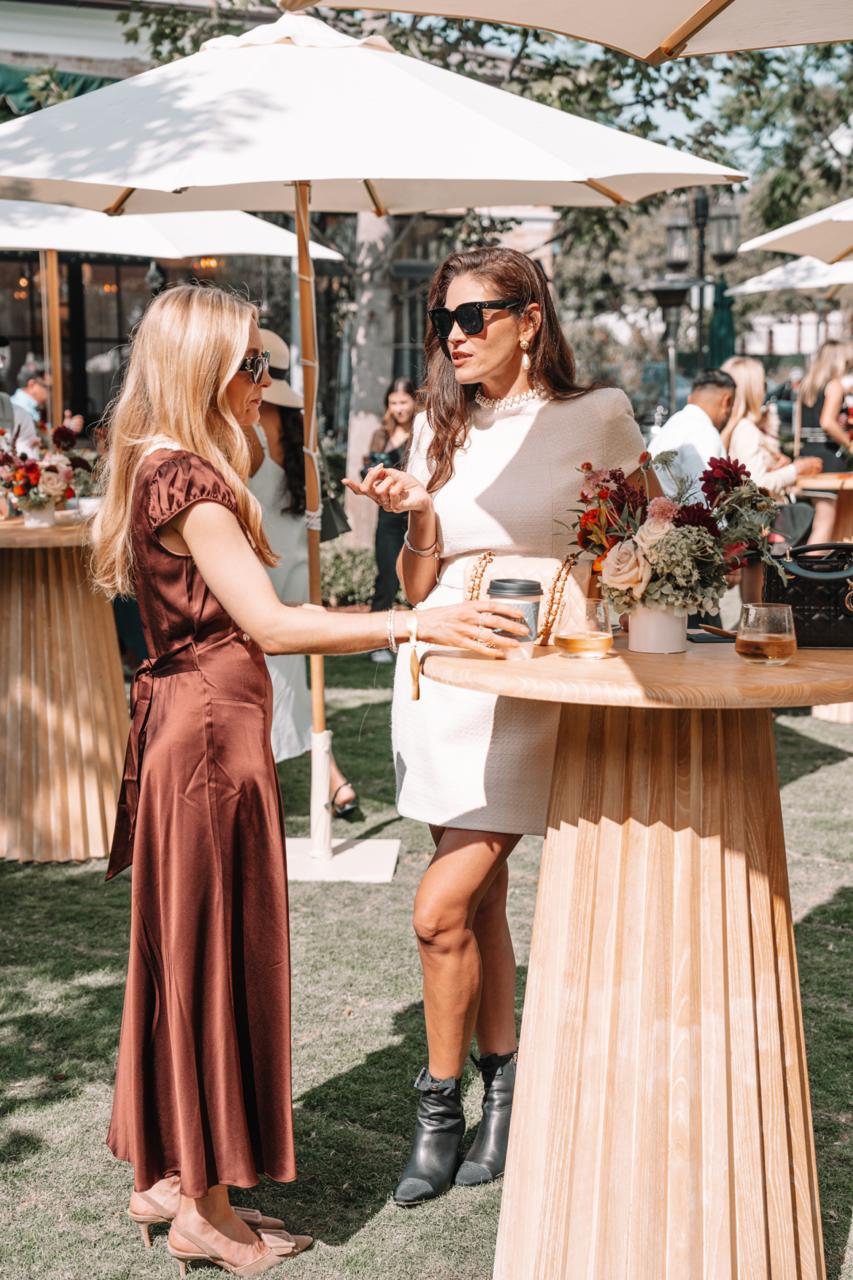
Case : Event photography for Palisades Village
Palisades Village is a premier outdoor shopping and lifestyle destination in Pacific Palisades, California. Capturing events at such an iconic venue requires a blend of candid storytelling, detailed commercial shots, and high-energy atmosphere photography. Below is a breakdown of how we captured the essence and vibrant energy of this event. Every great event begins with […]
More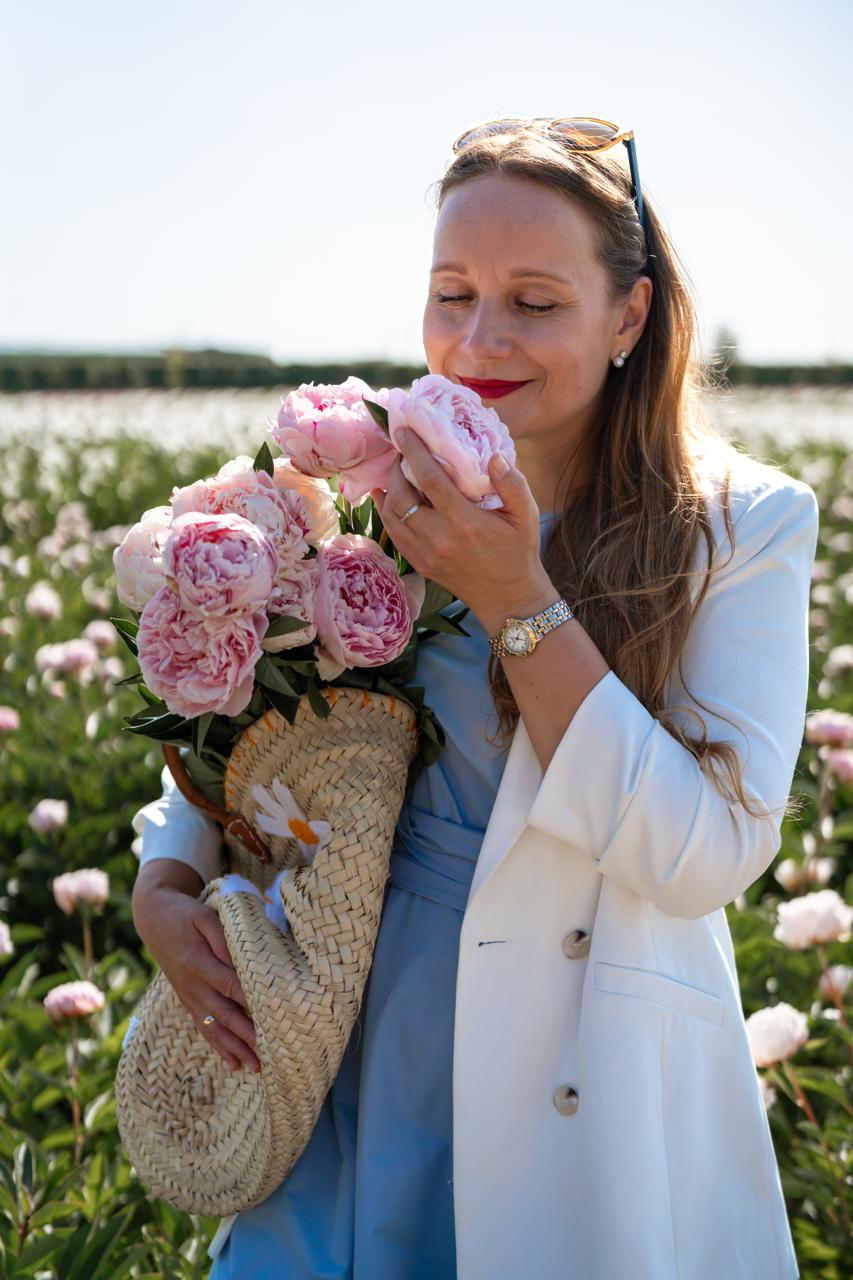
Case : Peony Field Photoshoot at Bury Lane Farm | Cambridge Photographer
This beautiful group portrait photography session took place in the breathtaking peony fields of Bury Lane Farm in Cambridgeshire. As a Cambridge photographer specialising in portrait photography and lifestyle photography, I love creating natural images that capture genuine emotions and meaningful moments. Nine wonderful women came together to enjoy an unforgettable summer afternoon surrounded by […]
More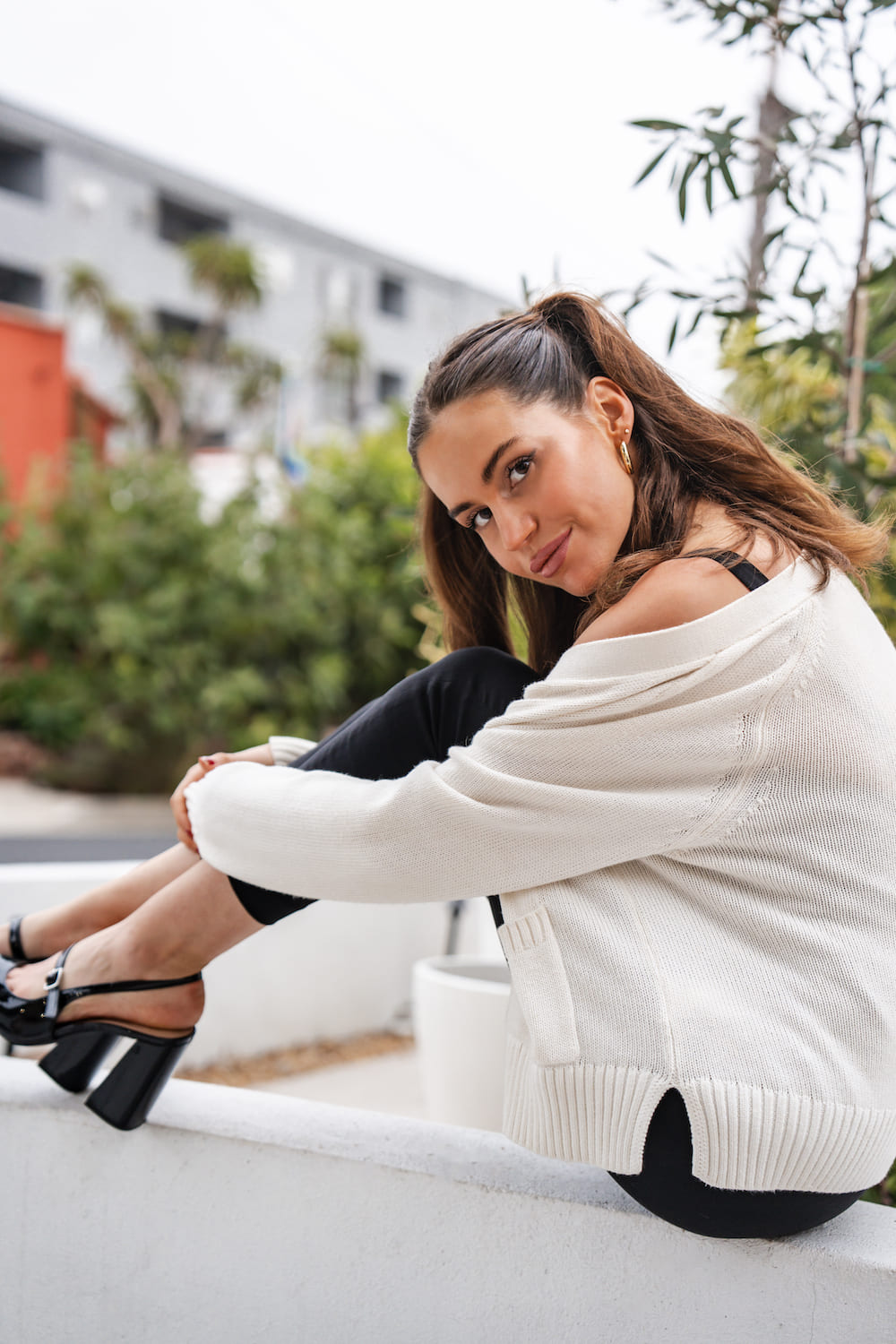
Case : Professional Headshot Photography in West Hollywood
I delivered personalized headshot photography sessions in West Hollywood for professionals seeking high-impact images for articles, corporate profiles, and social media. Client: Professionals and musicians looking to elevate their personal branding with compelling portraits. Objective: To create confident, authentic images that help clients make a memorable first impression. Process: 1. Consultation Discussed each client’s style […]
More