

Top 10 Tips for Capturing Stunning Food Photography
Lighting is arguably one of the most important factors in capturing stunning food photography. The way in which light hits your dish can completely change the look and feel of your photo. Natural light is often preferred by photographers as it provides a soft and flattering glow to your food. Try placing your dish near a window during the day to take advantage of this beautiful light.
If natural light is not available or you want to have more control over the lighting, consider investing in artificial lighting options such as softboxes or ring lights. These can help you to create a bright and evenly lit setup for your food photoshoots.
- Front Lighting: This type of lighting comes from directly in front of your dish, illuminating the front of the subject evenly. It can create a clean and crisp look for your photos.
- Side Lighting: Side lighting can add dimension and depth to your food photos by casting shadows on one side of the dish. This can create a more dramatic effect.
- Back Lighting: Back lighting can create a halo effect around your dish, making it appear more vibrant and eye-catching. This technique is great for showcasing textures and details.
When working with artificial lighting, be mindful of the color temperature of the bulbs to ensure your colors appear as true-to-life as possible in your photos. Avoid harsh overhead lighting or strong flash, as this can create unflattering shadows and highlights on your food.
Experiment with different lighting setups and angles to see what works best for your specific dishes. Don’t be afraid to move your light source around or try shooting at different times of day to see how the lighting changes.
Understanding how light interacts with your food is crucial for creating captivating photos that make your dishes look as delicious as they taste. Take the time to play around with lighting techniques and watch as your food photography skills improve significantly.
Invest in Quality Camera Equipment to Ensure Clear and Crisp Images
When it comes to capturing stunning food photography, one of the most important investments you can make is in quality camera equipment. A high-quality camera will allow you to capture clear, crisp images that truly showcase the beauty of your dishes. While smartphones may have decent cameras, investing in a DSLR or mirrorless camera can take your food photography to the next level.
- Consider investing in a camera with a good resolution and low noise to ensure your images are sharp and free of distortion.
- Look for a camera with a variety of lens options, such as macro lenses for close-up shots and wide-angle lenses for capturing the entire scene.
- Don’t forget about accessories like tripods, reflectors, and external flashes, which can help improve the quality of your photos in different lighting conditions.
By investing in quality camera equipment, you can have more control over your images, allowing you to capture the details and textures of your food in a way that will truly impress your audience.
Remember, you don’t need to break the bank to get started with quality camera equipment. There are plenty of entry-level DSLR and mirrorless cameras on the market that offer excellent image quality at an affordable price. As you continue to grow and develop your food photography skills, you may choose to upgrade your equipment, but starting with a good camera is key.
Ultimately, the goal of investing in quality camera equipment is to enhance your ability to capture the beauty and deliciousness of your dishes in a visually appealing way. So, if you’re serious about taking your food photography to the next level, consider investing in a reliable camera and accessories that will help you achieve your goals.
Experiment with different angles to find the most flattering shots of your dishes
One of the key aspects of capturing stunning food photography is experimenting with different angles to find the most flattering shots of your dishes. By playing around with the angle at which you photograph your food, you can create more dynamic and visually interesting images.
- Top-down angle: Taking photos of your dishes from a top-down angle allows you to showcase the entire spread of the meal. This angle works well for flat-lay shots and is perfect for capturing intricate details and patterns in your food.
- Eye-level angle: Shooting your food from eye level can create a personal and intimate feel to your photos. This angle works best for capturing the textures of your dishes and highlighting the colors and ingredients used.
- Low angle: Experimenting with a low angle can add drama and depth to your food photography. This type of shot can make your dishes appear larger and more impressive, perfect for showcasing towering desserts or stacked sandwiches.
- Sideways angle: Shooting your food from a sideways angle can create a sense of movement and interest in your photos. This angle works well for showcasing layers in dishes, such as lasagnas or cakes.
By trying out different angles, you can discover which ones work best for each dish you photograph. Don’t be afraid to get creative and think outside the box when it comes to capturing your dishes from unique perspectives. Remember, finding the right angle can make all the difference in creating stunning food photography.
Use props and backgrounds that complement the colors and textures of your food
When capturing stunning food photography, it’s important to think about more than just the delicious dish in front of you. Props and backgrounds can play a significant role in enhancing the overall look of your photos.
- Choosing props: Consider using props that go well with the colors and textures of your food. For example, if you’re photographing a fresh green salad, adding a wooden bowl or some green herbs as a garnish can help enhance the natural color palette. Just remember that less is often more, so don’t overcrowd your shot with too many props.
- Selecting backgrounds: The background you choose can make a big difference in how your food photography turns out. Opt for backgrounds that provide contrast and make your dishes pop. For instance, if you have a vibrant red tomato soup, a plain white background can help emphasize the rich color of the soup. You can also play around with different textures like a rustic wooden table or a sleek marble countertop to add interest to your photos.
Remember that props and backgrounds should always enhance, not overpower, the main focus of your food photography – the food itself. It’s all about finding a balance between adding visual interest and letting the deliciousness of your dish shine through.
Pay attention to composition and framing to create visually appealing photos
When it comes to capturing stunning food photography, one of the most important things to consider is the composition and framing of your shots. This essentially means arranging and positioning your food and props in a way that is visually pleasing to the viewer.
To create a well-composed shot, start by thinking about the rule of thirds. This principle divides your image into nine equal sections with two horizontal and two vertical lines. By placing the focal point of your photo on one of these lines or where they intersect, you can create a more balanced and visually appealing composition.
- Experiment with different angles: Don’t be afraid to get up close to your dish or try shooting from above. Changing the angle can completely transform the look of your food and add an interesting perspective to your photos.
- Consider negative space: Including some empty space around your dish can help draw the viewer’s eye to the main subject and create a sense of balance in your composition.
- Use leading lines: Lines such as utensils, plates, or ingredients can lead the viewer’s eye towards the main subject of your photo, creating a sense of movement and visual interest.
- Keep it simple: Sometimes less is more when it comes to food photography. Avoid cluttering your shot with too many props or distractions, and focus on highlighting the beauty of your dish.
Another key aspect of composition is framing. This involves strategically framing your shot to draw attention to the main subject and create a sense of depth. You can use elements such as windows, doorways, or dishes to frame your food and add visual interest to your photos.
Remember, composition and framing are essential tools for creating visually appealing food photography. Take the time to experiment with different techniques and find what works best for showcasing your dishes in the most captivating way possible.
Edit your photos carefully to enhance colors and remove any imperfections
Once you’ve taken your stunning food photos, the next step is to edit them to make them even more vibrant and eye-catching. Editing can help enhance the colors of your food, remove any blemishes or imperfections, and really make your dishes pop off the screen.
- Adjust the exposure: Sometimes, photos can come out a little too dark or too bright. By adjusting the exposure, you can make sure that your food looks just right.
- Enhance the colors: Make those fruits look juicier and those desserts look even sweeter by boosting the colors in your photos.
- Remove imperfections: Got a smudge on the plate or a stray crumb on the table? Editing software can help clean up these little distractions to keep the focus on your delicious creations.
- Sharpen the details: To make your food really stand out, sharpen the details like the texture of a sprinkle or the glisten of a glaze.
Don’t be afraid to experiment with different editing techniques to find the best fit for your photos. Just remember, less is often more when it comes to editing – you want your food to look appetizing and natural, not overly processed or fake.
There are plenty of editing tools available, from professional programs like Adobe Photoshop to user-friendly apps like Lightroom and Snapseed. Find one that works for you and practice using it to perfect your food photography.
Editing your photos is a crucial step in creating stunning food photography – it can truly take your images from good to great. So, don’t be afraid to get creative and play around with different editing techniques to make your dishes look their absolute best!
Consider the story you want to tell with your food photography and style accordingly
When capturing stunning food photography, it’s important to think about the story you want to convey through your images. Your dishes should not only look delicious but also evoke emotions and memories in your viewers. Whether you’re aiming for a cozy homemade feel or a high-end restaurant look, your styling choices play a crucial role in telling that story.
- Start by thinking about the mood and theme of your photo. Are you going for a rustic farmhouse vibe or a modern chic atmosphere? Your styling choices, such as props, background, and color palette, should reflect the overall theme you want to portray.
- Consider the season or occasion you’re focusing on in your food photography. For example, bright citrus colors can evoke feelings of summer, while warm tones and cozy textures are perfect for fall. Tailoring your styling to match the season can create a cohesive and visually appealing narrative.
- Think about the audience you’re targeting with your food photography. Are you trying to appeal to health-conscious individuals, foodies looking for a unique experience, or comfort food enthusiasts? Understanding your audience can help guide your styling choices to resonate with them.
By considering the story you want to tell with your food photography, you can style your dishes in a way that enhances the overall narrative and makes your images more impactful. Experiment with different styling options and find what resonates with you and your audience. Remember, the goal is not just to capture a beautiful image but to create a visual story that engages and inspires your viewers.
Get Creative with Plating and Presentation to Make Your Dishes Stand Out
When it comes to food photography, plating and presentation can make a world of difference in how your dishes are perceived. Just as we eat with our eyes first, a beautifully plated dish can instantly capture the attention and imagination of your audience.
One simple way to elevate your food photography is to get creative with how you arrange and present your dishes. Try playing around with different plating styles, such as stacking ingredients, drizzling sauces, or adding decorative garnishes. You can also experiment with using unconventional props or backgrounds to create a visually stunning composition.
- Consider the colors and textures of your dish, and use complementary props and backgrounds to enhance them.
- Think about the overall story or message you want to convey with your photo, and use plating and presentation to help tell that story. For example, rustic wooden boards may give a cozy feel, while sleek plates can convey a sense of sophistication.
- Don’t be afraid to play with different angles and perspectives when photographing your dishes. Sometimes a bird’s eye view can showcase the layers of a dish beautifully, while a close-up shot can highlight the intricate details.
Remember that plating and presentation are a form of art, so don’t hesitate to let your creativity shine through. Whether you’re arranging a simple salad or a complex dessert, take the time to think about how you can make your dish visually striking and memorable.
By getting creative with plating and presentation, you can make your dishes stand out in a sea of food photos online. So next time you’re preparing a meal for your photography session, don’t just focus on the cooking – consider how you can make your dishes truly shine on camera.
Practice Patience and Take the Time to Set Up Your Shots Properly
One of the most important tips for capturing stunning food photography is to practice patience and take the time to set up your shots properly. While it may be tempting to quickly snap a photo of your dish and dig in, investing some extra time and effort into the setup can make a world of difference in the final result.
- Pay Attention to Details: Before you press the shutter button, take a moment to inspect your scene. Make sure that everything is in its right place and that there are no distractions or clutter in the background. By paying attention to the details, you can ensure that your photos look polished and professional.
- Experiment with Different Angles: Don’t be afraid to try out different angles and perspectives when setting up your shots. Sometimes a slight change in position can completely transform the look of your dish. Get creative and see which angles work best for showcasing the beauty of your food.
- Adjust Lighting as Needed: Lighting plays a crucial role in food photography, so take the time to set up your lighting properly. Whether you’re using natural light or artificial lighting, make sure that it complements your dish and highlights its textures and colors effectively.
- Be Mindful of Composition: Consider the composition of your shot and how all the elements come together. Think about the placement of your subject, the props you’re using, and how they interact with each other. A well-composed photo can draw the viewer in and make your dish look even more appetizing.
By practicing patience and taking the time to set up your shots properly, you can elevate your food photography to a whole new level. Remember that great photos don’t happen by accident – they require careful planning and attention to detail. So next time you’re snapping a picture of your delicious meal, give yourself the time and space to create something truly extraordinary.
Seek Inspiration from Professional Food Photographers
One of the best ways to improve your food photography skills is by seeking inspiration from professional photographers in the industry. By studying their work and analyzing their techniques, you can learn valuable insights that will help you elevate the quality of your own photos.
Professional food photographers have spent years honing their craft and developing their unique style. By taking the time to examine their work, you can gain a better understanding of what makes a great food photograph – whether it’s the way they use light, their composition choices, or their editing techniques.
- Study their lighting techniques: Pay attention to how professional photographers use natural light or artificial lighting to highlight the textures and colors of their dishes.
- Learn about camera settings: Take note of the camera equipment that professional photographers use and experiment with settings like aperture, shutter speed, and ISO to achieve the desired effect in your photos.
- Observe their composition choices: Look at how professional photographers frame their shots and choose angles that best showcase the food they’re capturing.
By immersing yourself in the work of professional food photographers, you’ll start to develop a keener eye for detail and a better understanding of what makes a photograph visually appealing. Don’t be afraid to reach out to these photographers for advice or attend workshops and classes to learn directly from them.
Remember, every photographer has their own unique style and approach to capturing food. By learning from professionals in the field, you’ll be able to pick up tips and tricks that will help you refine your own style and create stunning food photography that stands out.
Be Willing to Try New Things and Push Yourself Outside of Your Comfort Zone
When it comes to capturing stunning food photography, it’s important to be open to trying new things and challenging yourself. Stepping outside of your comfort zone can lead to exciting discoveries and unique shots that you may not have considered before.
- Experiment with Different Angles: Instead of always shooting from the same angle, try getting down low or shooting from above. Changing up your perspective can add visual interest to your photos.
- Play with Lighting: Don’t be afraid to experiment with different lighting setups, such as natural light or artificial light. Trying something new can change the mood and atmosphere of your photos.
- Try Unique Props and Backgrounds: Incorporating unexpected props or backgrounds can add depth and character to your food photography. Don’t be afraid to think outside the box and mix things up.
- Explore Different Styles: Instead of sticking to a traditional style, consider exploring different themes or aesthetics in your food photography. Trying something new can spark your creativity and help you develop your own unique style.
- Collaborate with Others: Working with other photographers or food stylists can bring fresh perspectives and ideas to your work. Don’t be afraid to reach out and collaborate with others in the field.
By being willing to try new things and push yourself outside of your comfort zone, you can expand your skills and grow as a food photographer. Embrace the unknown and see where your creativity takes you.
Remember that practice makes perfect
When it comes to capturing stunning food photography, remember that practice makes perfect. Just like with any skill, the more you practice, the better you will become at it. Don’t get discouraged if your first few attempts don’t turn out exactly as you had hoped. Instead, use those experiences as learning opportunities to improve and grow.
Set aside time regularly to practice your food photography skills. Try different techniques, experiment with lighting, angles, props, and compositions. Don’t be afraid to make mistakes, as they can often lead to unexpected and creative results.
- Take the time to understand how your camera works and how to adjust settings to achieve the desired effect.
- Try shooting the same dish from multiple angles to see which one looks the best.
- Practice editing your photos to enhance colors and make them more visually appealing.
- Experiment with different plating and presentation styles to find what works best for your dishes.
By practicing consistently and pushing yourself to try new things, you’ll begin to develop your own unique style and approach to food photography. You’ll also start to recognize patterns in what works well and what doesn’t, helping you refine your techniques over time.
Remember, even professional food photographers started out as beginners at one point. It’s all about putting in the time and effort to improve your skills and capture truly stunning images of your dishes. So, keep practicing, keep learning, and don’t be afraid to push yourself outside of your comfort zone. With dedication and perseverance, you’ll be amazed at how far your food photography skills can take you.
More
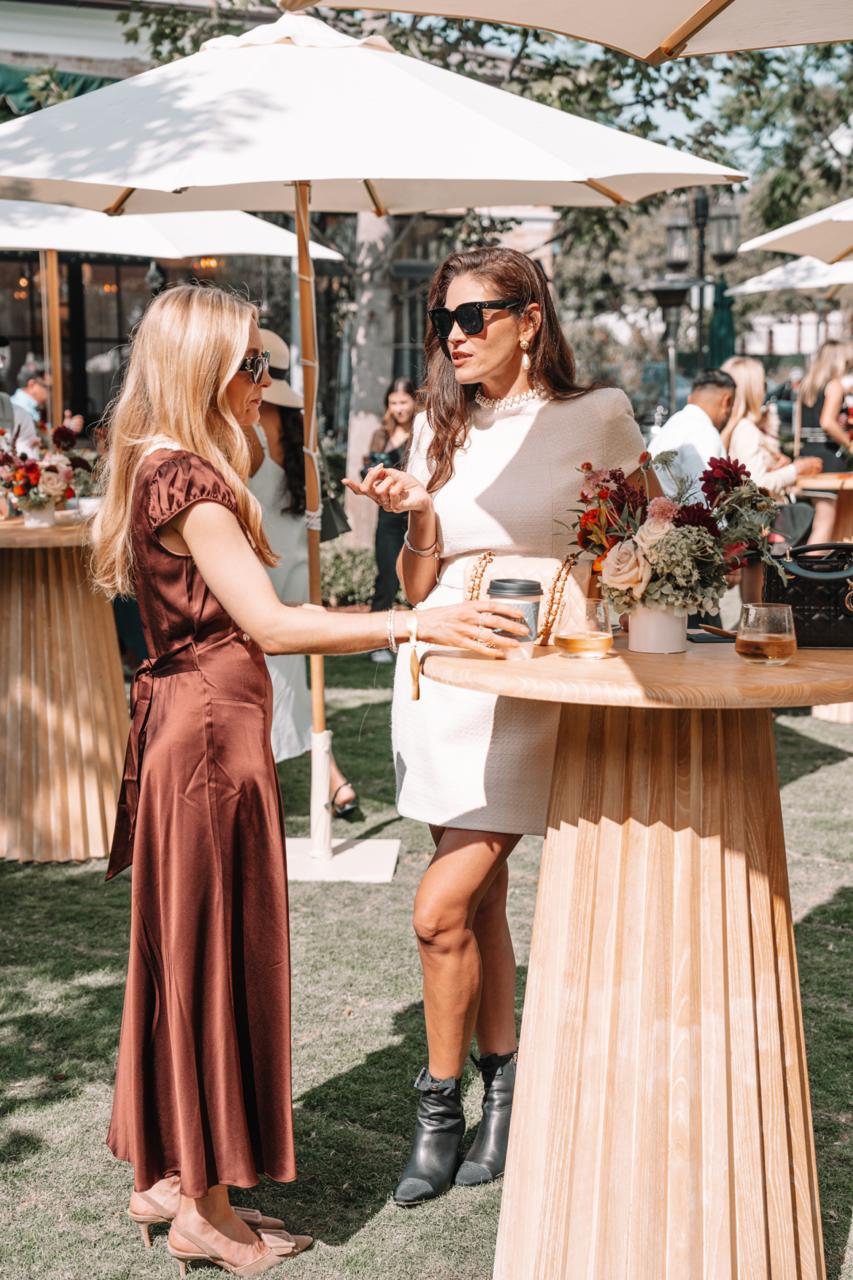
Case : Event photography for Palisades Village
Palisades Village is a premier outdoor shopping and lifestyle destination in Pacific Palisades, California. Capturing events at such an iconic venue requires a blend of candid storytelling, detailed commercial shots, and high-energy atmosphere photography. Below is a breakdown of how we captured the essence and vibrant energy of this event. Every great event begins with […]
More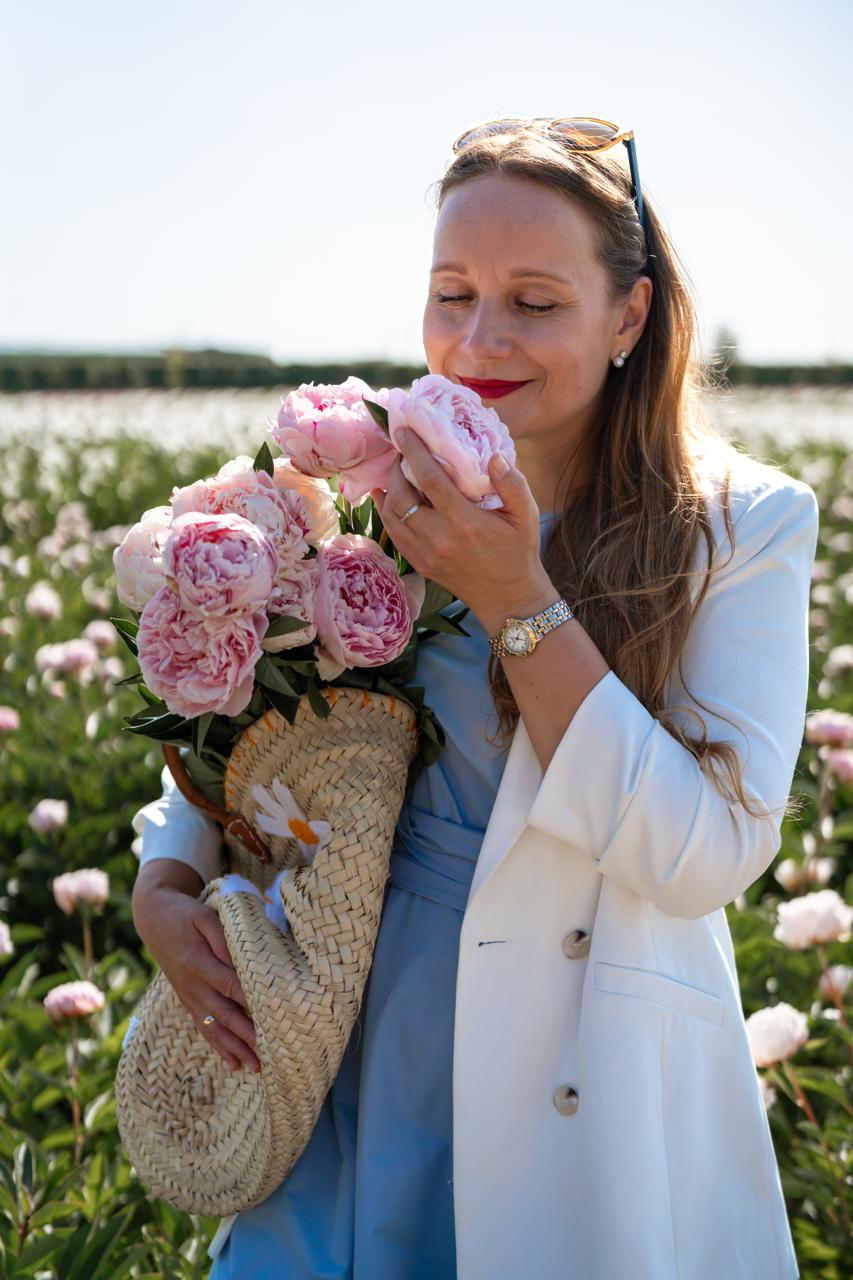
Case : Peony Field Photoshoot at Bury Lane Farm | Cambridge Photographer
This beautiful group portrait photography session took place in the breathtaking peony fields of Bury Lane Farm in Cambridgeshire. As a Cambridge photographer specialising in portrait photography and lifestyle photography, I love creating natural images that capture genuine emotions and meaningful moments. Nine wonderful women came together to enjoy an unforgettable summer afternoon surrounded by […]
More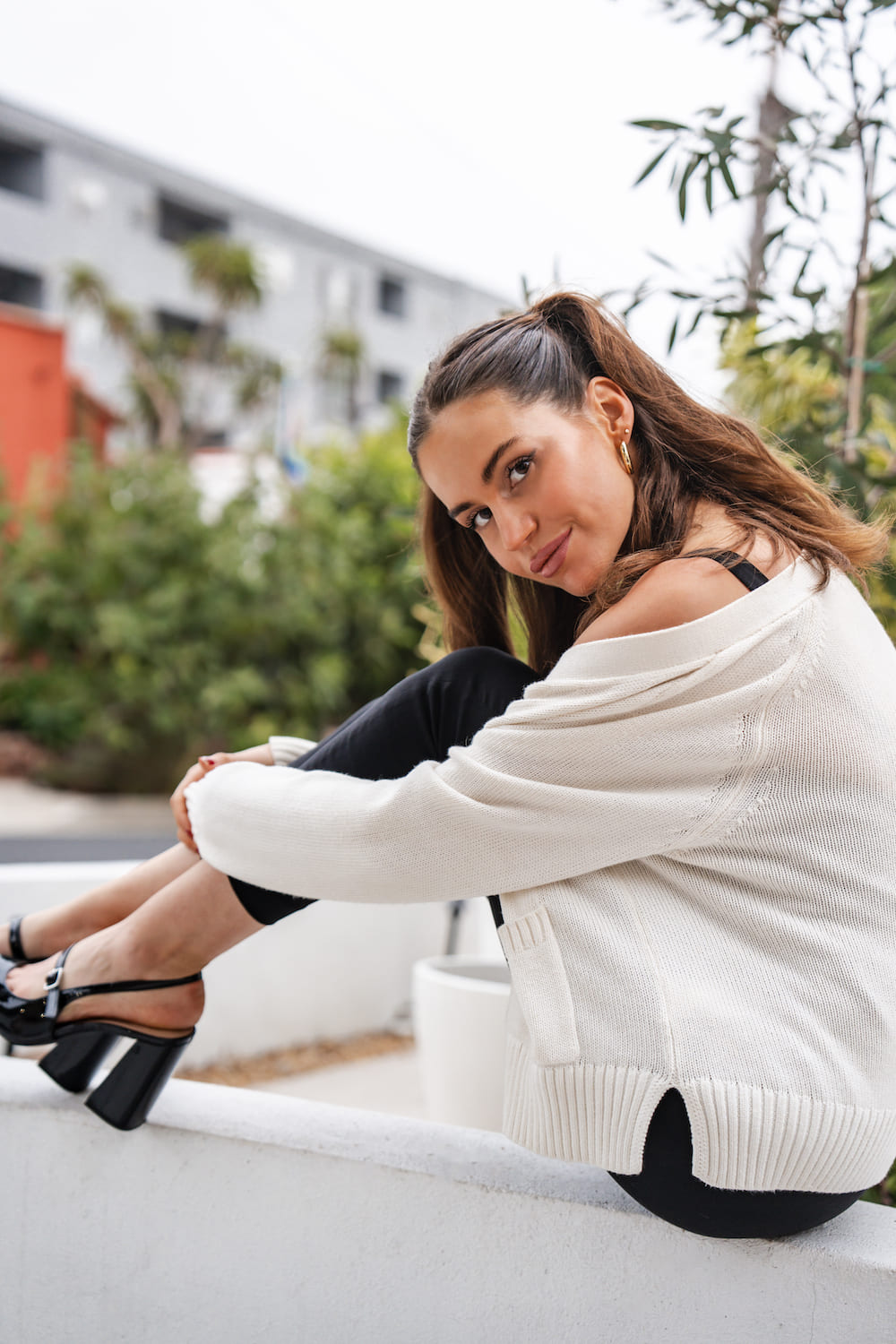
Case : Professional Headshot Photography in West Hollywood
I delivered personalized headshot photography sessions in West Hollywood for professionals seeking high-impact images for articles, corporate profiles, and social media. Client: Professionals and musicians looking to elevate their personal branding with compelling portraits. Objective: To create confident, authentic images that help clients make a memorable first impression. Process: 1. Consultation Discussed each client’s style […]
More