
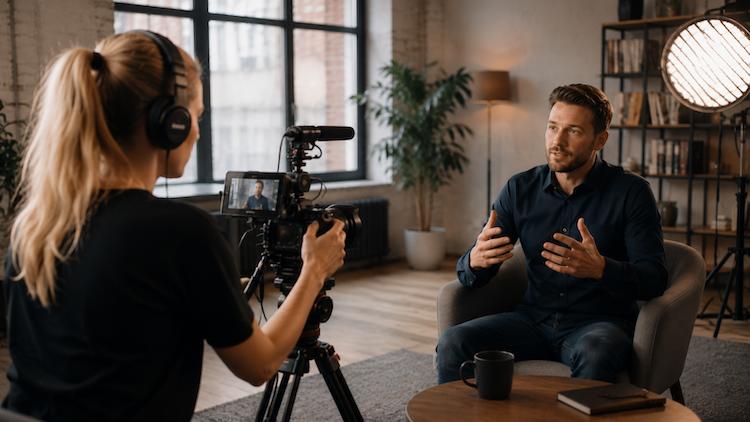
What to Expect from a Videographer
When it comes to capturing special moments at your event, hiring a professional videographer can make all the difference. While you may be tempted to have a friend or family member film the day, there are many benefits to investing in a skilled professional.
- Experience: A professional videographer has the experience and technical knowledge to provide high-quality footage that captures the essence of your event. They know how to navigate different lighting situations, angles, and settings to create a visually appealing video.
- Equipment: Professional videographers invest in top-of-the-line equipment to ensure that your video is of the highest quality. From high-definition cameras to professional sound equipment, they have everything needed to produce a polished final product.
- Creativity: Professional videographers have a keen eye for storytelling and know how to turn ordinary moments into cinematic masterpieces. They can capture the emotions and atmosphere of your event in a way that will leave you with a video that you’ll cherish for years to come.
Furthermore, having a professional videographer ensures that your footage is captured in a way that is not obtrusive or distracting to you and your guests. They know how to blend in seamlessly while still capturing all the important moments of your event.
Overall, hiring a professional videographer may seem like an extra expense, but the quality and expertise they bring to the table can truly make a difference in the final outcome of your event video. Trusting a professional with capturing your special day will give you peace of mind knowing that you will have a high-quality, professionally edited video to remember your event by.
How to find the right videographer for your needs
When looking for a videographer to capture your event, it’s important to find someone who aligns with your vision and style. Here are a few tips to help you find the perfect fit:
- Research: Start by researching local videographers in your area. Look at their websites, portfolios, and social media profiles to get a feel for their work.
- Ask for recommendations: Reach out to friends, family, or colleagues who have recently hired a videographer. Personal recommendations can often lead you to quality professionals.
- Check reviews: Look for online reviews and testimonials from past clients. This can give you insight into the videographer’s professionalism, communication, and quality of work.
- Review portfolios: Take the time to review the videographer’s portfolio to see if their style aligns with what you envision for your event. Look for examples of past work that showcase similar events or themes.
- Reach out and schedule meetings: Once you’ve narrowed down your options, reach out to schedule in-person or virtual meetings with your top choices. This will give you a chance to discuss your vision, ask questions, and gauge their level of professionalism.
- Ask for references: Don’t be afraid to ask potential videographers for references from past clients. Contacting previous clients can provide you with valuable feedback on their experience working with the videographer.
- Trust your instincts: Ultimately, trust your gut instinct when selecting a videographer. Choose someone who not only has the skills and experience you need but also someone you feel comfortable and confident working with.
Remember, finding the right videographer is essential to capturing your event in a way that reflects your vision and style. Take the time to research, ask questions, and meet with potential candidates before making your decision. This will ensure that the final video meets and exceeds your expectations.
Questions to ask when interviewing potential videographers
When hiring a professional videographer for your event, it’s important to ask the right questions to ensure they are the right fit for your needs. Here are some key questions to consider when interviewing potential videographers:
- What is your experience with this type of event? It’s crucial to know if the videographer has experience filming events similar to yours. This can give you confidence in their ability to capture all the important moments.
- Can I see samples of your previous work? Looking at their past projects can give you a good idea of their style and quality of work. Make sure their style aligns with your vision for your own video.
- Do you have any references I can contact? Speaking with past clients can give you insight into the videographer’s professionalism, communication, and overall satisfaction with their services.
- What equipment do you use? Knowing what type of equipment the videographer uses can give you a sense of the quality of the final product. Professional-grade equipment can make a big difference in the outcome of your video.
- How do you handle unexpected issues or challenges during filming? It’s important to know how the videographer approaches unexpected situations that may arise. Their ability to problem-solve and adapt can be crucial for a successful video shoot.
- What is your editing process like? Understanding how the videographer edits and delivers the final video can help set clear expectations for the end product. Make sure you are comfortable with their editing style and process.
- What are your rates and what is included in your pricing? Clarifying the pricing structure upfront can prevent any surprises down the line. Make sure you understand what is included in the package and if there are any additional costs.
- How would you describe your communication style? Clear communication is key to a successful collaboration. Make sure the videographer’s communication style aligns with your own preferences.
- What is your availability for my event date? Confirming their availability for your event date is crucial. Be sure to discuss any specific timing requirements or logistics related to your event.
Understanding Different Styles of Videography
When hiring a videographer for your event, it’s important to understand that each videographer has their own unique style of shooting and editing videos. Before making a decision, take some time to research different styles and see which one resonates with you the most.
- Documentary Style: This style focuses on capturing real-life moments as they happen, without too much interference. It’s great for events that you want to remember exactly as they were, like weddings or birthday parties.
- Cinematic Style: Cinematic videography involves more storytelling and visually appealing shots. It often includes things like dramatic music, slow-motion effects, and creative editing techniques. This style is perfect for events where you want to create a movie-like experience, such as corporate videos or promotional content.
- Journalistic Style: Journalistic videography aims to capture the essence of an event in a straightforward and unbiased way. It focuses on telling a story through interviews, testimonials, and raw footage. This style is commonly used for news coverage, documentaries, or interviews.
- Aerial/Drone Style: Aerial videography involves the use of drones to capture stunning aerial shots of your event or location. This style can add a unique perspective to your video and create a visually appealing overall look. It’s great for outdoor events, real estate videos, or travel documentaries.
By understanding the different styles of videography, you can choose a videographer whose style aligns with your vision for the final product. Make sure to communicate your preferences and expectations clearly during the initial meeting to ensure that you are both on the same page.
Pricing structures and what to expect in terms of cost
Figuring out the pricing structure and costs associated with hiring a videographer can sometimes feel overwhelming. However, by understanding how videographers typically charge for their services, you can ensure that you are getting the best value for your money.
- Hourly or project-based: Some videographers charge an hourly rate, while others may provide a flat fee for the entire project. It’s important to clarify this with your videographer upfront so there are no surprises when it comes time to pay the bill.
- Additional services: Keep in mind that there may be additional costs associated with certain services such as editing, travel, equipment rentals, or extra hours of shooting. Make sure to discuss these potential add-ons with your videographer, so you have a clear understanding of the total cost.
- Package deals: Many videographers offer package deals that include a variety of services at a discounted price. This can be a great way to save money while still ensuring that all your needs are met. Be sure to ask about any available packages when discussing pricing with your videographer.
- Quality matters: When it comes to videography, you often get what you pay for. While it may be tempting to go with the cheapest option, keep in mind that a higher price tag often reflects the quality of the final product. Investing in a professional videographer may result in a video that you will cherish for years to come.
Overall, when budgeting for a videographer, it’s essential to consider not only the upfront costs but also the long-term value of the services provided. By having a clear understanding of the pricing structure and what to expect in terms of cost, you can make an informed decision that will ultimately lead to a successful video production experience.
Creating a shot list and timeline with your videographer
One of the key aspects of working with a videographer is creating a shot list and timeline for your event. This helps both you and the videographer stay organized and ensures that all important moments are captured on film.
- Discuss your vision: Start by sitting down with your videographer and sharing your vision for the event. This could include specific shots you want, important moments to capture, and any special requests you may have.
- Identify key events: Together, outline the key events or moments that you want the videographer to focus on. This could be anything from the ceremony to speeches to the first dance.
- Plan the timeline: Work with your videographer to create a timeline for the day. This will help ensure that they know when and where they need to be throughout the event.
- Consider different angles: Discuss with your videographer the different angles and perspectives you want captured. This could involve wide shots to show the entire scene or close-ups to capture emotions and details.
- Include any special requests: If there are any specific shots or moments that are particularly important to you, make sure to communicate this to your videographer. They will do their best to accommodate your requests.
- Finalize the details: Before the event, review the shot list and timeline with your videographer to make sure everything is in order. This is the time to make any adjustments or additions as needed.
By taking the time to create a shot list and timeline with your videographer, you can ensure that your video reflects your vision and captures all the important moments of your event. Clear communication and collaboration are key to a successful partnership with your videographer.
Ensuring Clear Communication and Expectations Throughout the Process
One of the most important aspects of working with a videographer is clear communication. From the initial consultation to the final delivery of your video, keeping the lines of communication open is key to ensuring a successful collaboration.
- Set Clear Expectations: From the start, make sure you communicate your vision for the project with your videographer. Let them know what you expect in terms of style, content, and overall feel of the video. This will help them tailor their approach to meet your specific needs.
- Ask Questions: Don’t be afraid to ask questions along the way. Whether it’s about the equipment being used, the editing process, or the timeline for completion, make sure you are informed about every step of the process.
- Provide Feedback: If there are certain elements of the video that you aren’t happy with, don’t be afraid to provide feedback. Constructive criticism can help your videographer make necessary adjustments to meet your expectations.
Moreover, don’t hesitate to reach out to your videographer if you have any concerns or changes to the original plan. Keeping an open line of communication will ensure that both parties are on the same page throughout the process, ultimately leading to a more successful outcome.
Remember, your videographer wants to create a video that you are happy with, so don’t be shy about expressing your opinions and preferences. By working together and communicating effectively, you can ensure that your video turns out exactly as you envisioned.
Tips for Working with a Videographer on the Day of the Event
Working with a videographer on the day of your event can be exciting and nerve-wracking at the same time. To ensure that everything goes smoothly, here are some tips to help you collaborate effectively:
- Communication is Key: Make sure to communicate your expectations clearly with your videographer. Let them know the schedule, specific shots you want, and any special requests beforehand.
- Trust Their Expertise: Remember that you hired a professional for a reason. Trust their creative vision and expertise when it comes to capturing the best moments of your event.
- Be Flexible: Unexpected things can happen on the day of the event. Stay flexible and open to changes in the schedule or location if needed.
- Give Them Space: Allow your videographer to do their job without constant interference. Trust that they know what they’re doing and give them the freedom to work their magic.
- Stay Organized: Keep track of the shot list and timeline you created with your videographer. Make sure to stick to the schedule to ensure that everything gets captured.
- Provide Clear Direction: If there are specific shots or moments you want to be captured, make sure to communicate this clearly with your videographer. They will appreciate the guidance.
- Stay Calm: It’s normal to feel nervous on the day of your event, but try to stay calm and enjoy the moment. A relaxed and positive atmosphere will result in better footage.
- Offer Assistance: If your videographer needs help getting a certain shot or setting up equipment, don’t hesitate to offer your assistance. Collaboration can lead to better results.
- Thank Them Afterwards: Once the event is over, don’t forget to thank your videographer for their hard work and dedication. A little appreciation goes a long way.
By following these tips, you can ensure a successful collaboration with your videographer on the day of your event. Together, you can create a stunning video that captures all the special moments for you to cherish forever.
Reviewing and Providing Feedback on the Final Video
Once your videographer has completed the editing process and finalised your video, it’s essential to review it carefully and provide feedback. This is your chance to ensure that the final product meets your expectations and captures the essence of your event.
- Watch the video: Take the time to watch the entire video from start to finish. Pay attention to the visuals, audio quality, pacing, and overall flow of the storytelling.
- Consider the details: Look out for any specific moments or details that you wanted to be included in the video. Make sure that important speeches, interactions, or key moments are highlighted.
- Feedback: After watching the video, gather your thoughts and provide constructive feedback to your videographer. Be specific about what you liked and any areas that you feel could be improved.
- Communication: Clear communication is key during this stage. Discuss your feedback openly with your videographer and work together to make any necessary changes or revisions.
- Revisions: Most videographers will allow for a certain number of revision rounds, so don’t hesitate to ask for changes that will make the video more aligned with your vision.
Remember, providing feedback is an important part of the collaboration process with your videographer. It helps ensure that you are both on the same page and working towards creating a final video that you are proud to share and showcase.
Understanding the Editing Process and Timeline
Once the video shoot is over, the editing process begins. This is where all the footage is carefully crafted and put together to create a final product that truly captures the essence of your event. Understanding what to expect in terms of the editing process and timeline can help you manage your expectations and ensure a smooth experience with your videographer.
- Initial Editing: During the initial editing phase, your videographer will review all the footage captured during the event and select the best shots to tell your story. They will also begin to piece together the footage in a way that flows seamlessly.
- Adding Music and Effects: After the footage has been organized, your videographer will add music, sound effects, and any other special effects to enhance the overall look and feel of the video.
- Review and Feedback: Once the first draft of the video is complete, you will have the opportunity to review it and provide feedback to your videographer. This is your chance to make any necessary changes or additions to ensure the final video meets your expectations.
- Finalizing the Edit: After incorporating your feedback, your videographer will make any final edits and tweaks to the video before finalizing it for delivery.
- Delivery Timeline: The timeline for completing the editing process can vary depending on the complexity of the project and the availability of your videographer. However, most videographers will provide you with an estimated timeline at the beginning of the process so you know when to expect the final video.
It’s important to communicate openly with your videographer throughout the editing process to ensure that your vision for the video is being met. Don’t be afraid to provide feedback and ask questions along the way to ensure that you are happy with the final product.
How to distribute and share your video once it’s complete
So, you’ve received your completed video from your videographer and now you’re probably wondering how to share it with the world. Here are a few simple steps on how to distribute and share your video effectively:
- Upload to online platforms: One of the easiest ways to share your video is by uploading it to popular online platforms such as YouTube or Vimeo. These sites allow you to easily share links to your video with friends, family, and followers.
- Embed on your website: If you have a website or blog, consider embedding your video directly onto a page. This way, visitors can watch your video without having to leave your site.
- Share on social media: Social media is a powerful tool for sharing video content. Post your video on platforms like Facebook, Instagram, Twitter, and LinkedIn, and encourage your followers to share it with their networks.
- Email marketing: If you have an email list, send out a newsletter or email blast featuring your video. This is a great way to reach a targeted audience who has already shown interest in your brand or event.
- Partner with influencers or collaborators: Collaborating with influencers or other brands in your industry can help expand the reach of your video. Reach out to relevant partners and ask if they would be willing to share your video with their audience.
- Run paid advertising: Consider running paid advertising on platforms like Facebook or Instagram to promote your video to a broader audience. You can target specific demographics or interests to reach potential new followers or customers.
Remember, distributing and sharing your video is just as important as creating it. Make sure to tailor your approach based on your target audience and your overall marketing strategy. By utilizing these different distribution methods, you can ensure that your video reaches as many people as possible and helps to achieve your desired goals.
Following up with your videographer for future projects
After your event is over and you have received the final edited video from your videographer, it’s always a good idea to follow up with them to discuss how everything went and to express your satisfaction with their work. Building a strong working relationship with your videographer can lead to successful collaborations on future projects.
Here are some simple ways to follow up with your videographer:
- Say Thank You: A little appreciation goes a long way. Take the time to send a thank you note or an email expressing your gratitude for their hard work and dedication to capturing your event.
- Provide Feedback: If there are any specific aspects of the video that you particularly liked or disliked, make sure to let your videographer know. Constructive feedback can help improve their work in the future.
- Ask for Referrals: If you were satisfied with the services provided by your videographer, consider referring them to friends, family, or colleagues who may need similar services in the future.
By following up with your videographer and maintaining a positive relationship with them, you will be more likely to receive personalized attention, better pricing, and overall higher quality videos for any future projects you may have in mind.
It’s important to keep in mind that videographers appreciate repeat clients just as much as you value their work. By staying in touch and keeping the lines of communication open, you can ensure a successful partnership that benefits both parties in the long run.
More
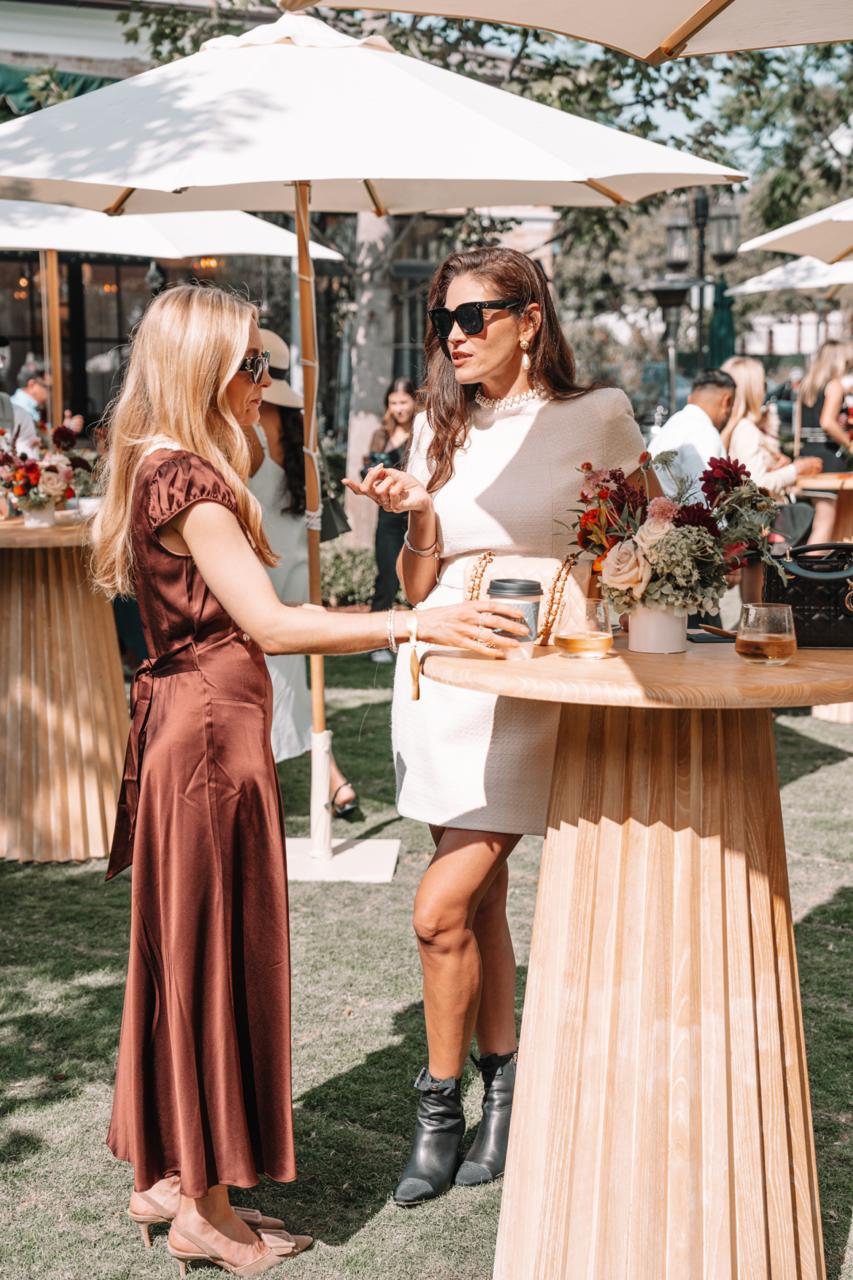
Case : Event photography for Palisades Village
Palisades Village is a premier outdoor shopping and lifestyle destination in Pacific Palisades, California. Capturing events at such an iconic venue requires a blend of candid storytelling, detailed commercial shots, and high-energy atmosphere photography. Below is a breakdown of how we captured the essence and vibrant energy of this event. Every great event begins with […]
More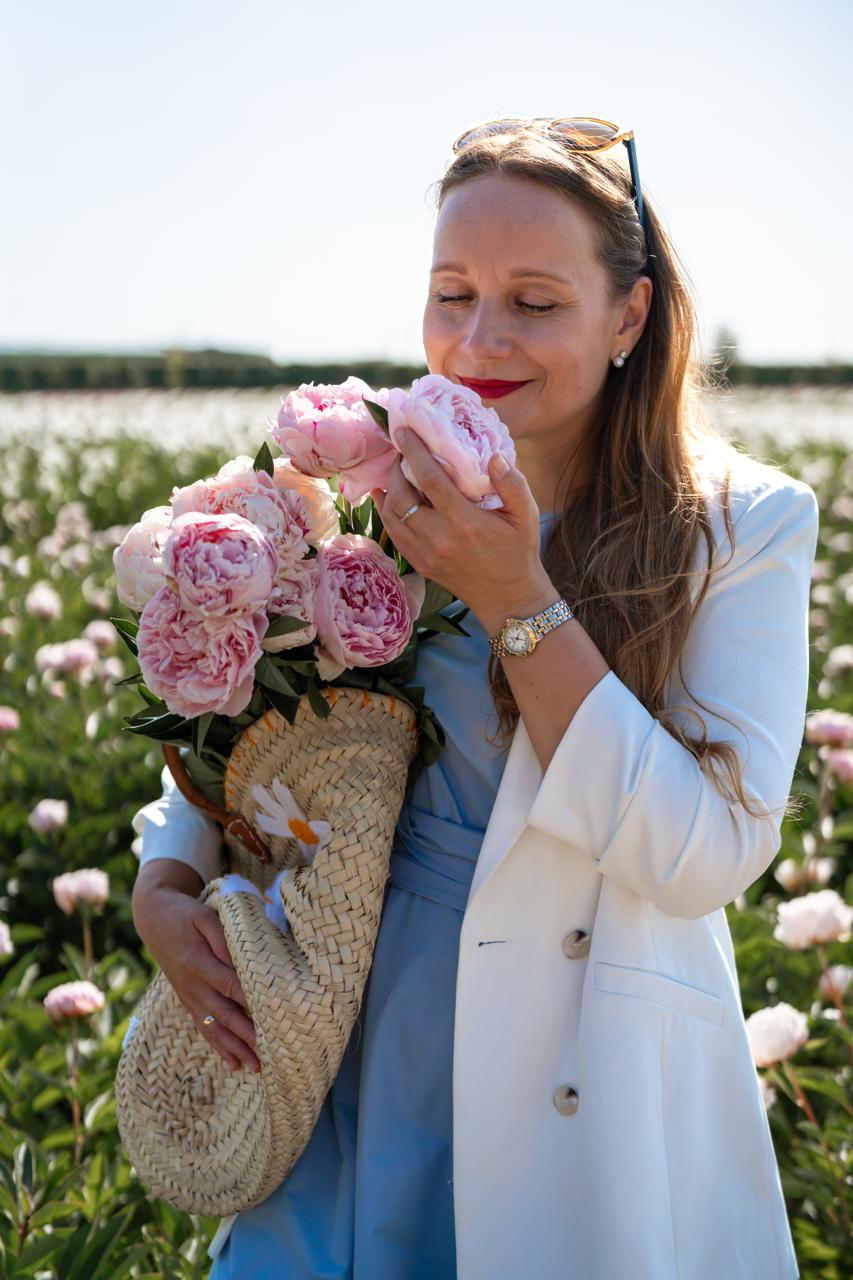
Case : Peony Field Photoshoot at Bury Lane Farm | Cambridge Photographer
This beautiful group portrait photography session took place in the breathtaking peony fields of Bury Lane Farm in Cambridgeshire. As a Cambridge photographer specialising in portrait photography and lifestyle photography, I love creating natural images that capture genuine emotions and meaningful moments. Nine wonderful women came together to enjoy an unforgettable summer afternoon surrounded by […]
More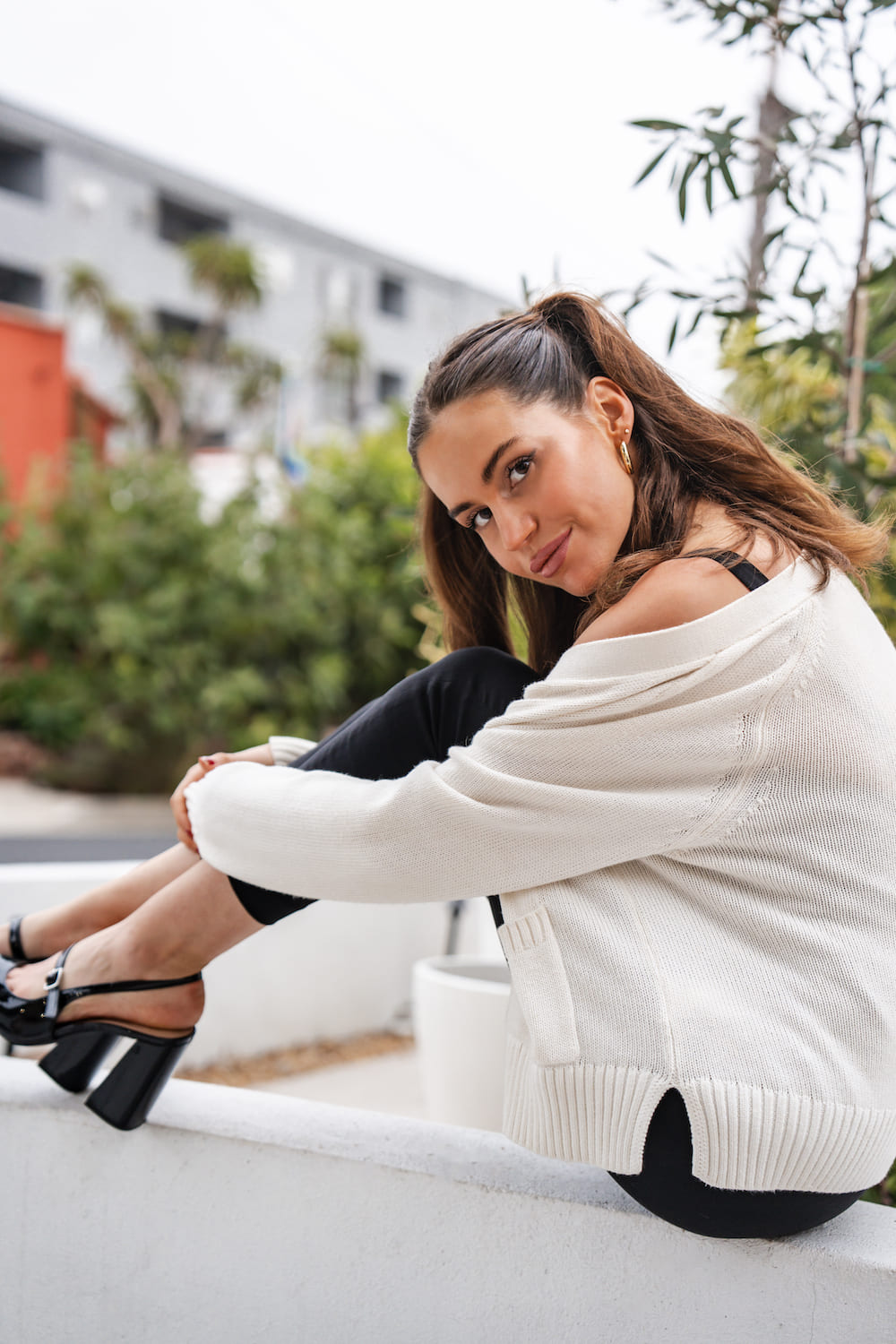
Case : Professional Headshot Photography in West Hollywood
I delivered personalized headshot photography sessions in West Hollywood for professionals seeking high-impact images for articles, corporate profiles, and social media. Client: Professionals and musicians looking to elevate their personal branding with compelling portraits. Objective: To create confident, authentic images that help clients make a memorable first impression. Process: 1. Consultation Discussed each client’s style […]
More