
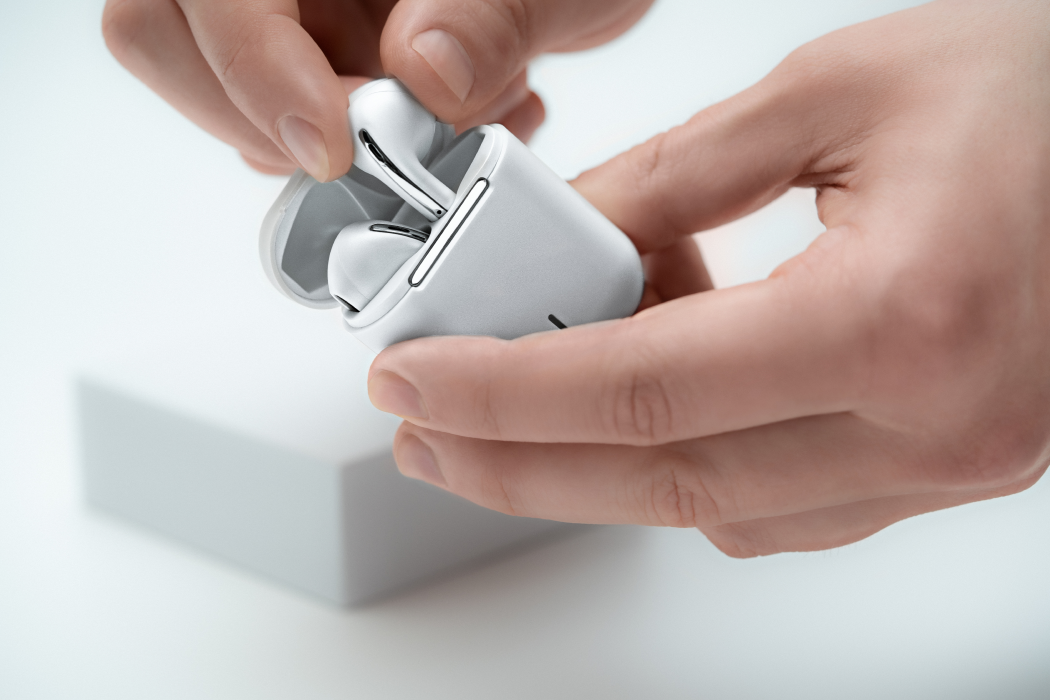
A complete guide to E-commerce photography 2025
Welcome to the exciting world of E-commerce photography! In today’s digital era, visuals play a crucial role in the success of any online business. As more and more consumers turn to online shopping, the importance of high-quality product images cannot be overstated. Whether you’re selling clothing, electronics, or handmade crafts, the images you use can make or break a sale.
But what exactly is E-commerce photography? Simply put, it is the art of capturing and creating stunning images of products to showcase them on E-commerce platforms. These images are the first impression customers have of your products, so it’s essential to make them visually appealing and engaging.
- Visual Appeal: E-commerce photography helps to showcase your products in the best possible light, enticing customers to make a purchase.
- Clear Communication: Good product images can communicate key details about the product, such as size, color, and features, leading to reduced returns and customer satisfaction.
- Build Trust: High-quality images can build trust with customers, showing them that you are a professional and reliable seller who cares about the quality of your products.
As you delve into the world of E-commerce photography, you’ll soon discover the potential it has to enhance your online store and increase your sales. From setting up your own home studio to mastering editing techniques, this guide will equip you with the knowledge and skills needed to take your E-commerce photography to the next level.
Importance of high-quality product images in E-commerce
When it comes to online shopping, visuals play a crucial role in influencing a customer’s decision-making process. High-quality product images are not just a nice addition to an e-commerce website – they are essential for attracting and retaining customers.
First impressions are everything, and the quality of your product images can make or break a sale. In a digital world where customers cannot physically touch or try on the products before purchasing them, the images need to provide as much information as possible to help customers make informed decisions.
1. High-quality images build trust:
Customers rely heavily on visuals when making purchasing decisions. Clear, detailed images showcase the quality of the product and give customers a sense of what to expect when they receive it. This helps build trust between the customer and the brand, leading to higher conversion rates and customer loyalty.
2. Enhanced user experience:
Poor-quality images can create a negative user experience and deter customers from exploring your website further. On the other hand, high-quality images make the shopping experience more enjoyable and engaging, encouraging customers to stay on your site for longer periods and explore more products.
3. Reduced returns and complaints:
When product images accurately represent the item being sold, customers are less likely to be disappointed with their purchase. This leads to fewer returns and complaints, saving time and resources for both the customer and the business.
4. Competitive advantage:
In a crowded e-commerce market, having high-quality product images can set your business apart from competitors. Eye-catching visuals can attract more attention from potential customers and help your products stand out in a sea of online options.
Ultimately, investing in high-quality product images is not just about making your e-commerce website look pretty – it is a strategic move that can directly impact your bottom line. By providing customers with clear, detailed images of your products, you are giving them the confidence they need to make a purchase, ultimately leading to increased sales and stronger customer relationships.

Trends in E-commerce photography for 2025
In 2025, E-commerce photography is set to evolve and adapt to the changing needs and preferences of online shoppers. As technology continues to advance, new trends are emerging that will shape the way products are captured and presented on E-commerce platforms.
1. Virtual Try-On: One of the biggest trends for 2025 is virtual try-on features. This technology allows customers to virtually try on products, such as clothing and accessories, before making a purchase. This not only enhances the shopping experience but also reduces the likelihood of returns.
2. 360-Degree Product Images: Another trend gaining popularity is the use of 360-degree product images. These images allow customers to view a product from all angles, providing a more detailed and interactive shopping experience.
3. User-Generated Content: With the rise of social media influencers and user-generated content, E-commerce websites are expected to incorporate more authentic and relatable visuals. Featuring photos and videos created by real customers can build trust and engagement with your target audience.
4. Sustainability and Ethical Practices: In 2025, consumers are becoming more conscious about sustainability and ethical practices. E-commerce brands are expected to showcase their commitment to environmental and social responsibility through their photography and visual content.
5. Augmented Reality: Augmented reality (AR) technology is set to revolutionize E-commerce photography by allowing customers to visualize products in their own space before purchasing. This immersive experience can help reduce uncertainty and improve conversion rates.
As these trends continue to shape the future of E-commerce photography, it’s important for brands to stay informed and adapt their strategies accordingly. By staying ahead of the curve and embracing new technologies, E-commerce businesses can create visual content that resonates with their target audience and drives sales.

Tools and equipment needed for E-commerce photography
When it comes to E-commerce photography, having the right tools and equipment can make all the difference in creating high-quality product images that will attract customers and drive sales. Here are some essential items you’ll need to get started:
- Camera: A good quality digital camera is a must-have for E-commerce photography. While smartphones can take decent photos, a dedicated camera will give you more control over settings and produce better results.
- Tripod: To ensure your images are sharp and free from camera shake, a sturdy tripod is essential. This will also allow you to keep your camera steady for long exposure shots or when using remote triggers.
- Lighting equipment: Proper lighting is crucial for E-commerce photography. Invest in a basic lighting kit with softboxes, umbrellas, or LED panels to achieve well-lit product images that showcase your products in the best possible way.
- Backdrop: A seamless backdrop in white, black, or a neutral color can help create a clean and professional look for your product images. You can use paper or fabric backdrops that can easily be rolled up and stored when not in use.
- Props: Depending on your product type, props can add context and visual interest to your images. Consider using items like jewelry stands, decorative objects, or lifestyle accessories to enhance your product shots.
- Editing software: After capturing your product images, editing software such as Adobe Photoshop or Lightroom will help you fine-tune your photos by adjusting brightness, contrast, and colors. This will ensure your images look polished and ready for the web.
By investing in these essential tools and equipment for E-commerce photography, you’ll be well-equipped to create stunning product images that will grab the attention of online shoppers and drive conversions. Remember, the key to successful E-commerce photography is capturing your products in the best possible light to engage and convert customers effectively.
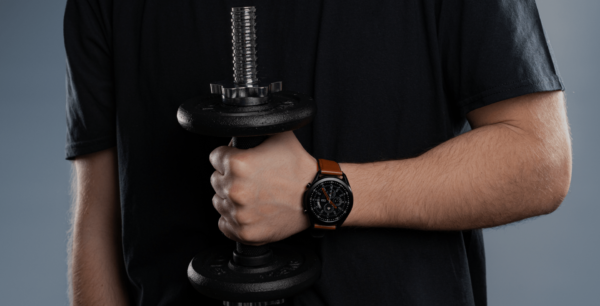
Top Tips for Capturing Stunning Product Images
When it comes to E-commerce photography, the quality of your product images can make or break a sale. Here are some top tips to help you capture stunning product images that will entice customers:
- Use a tripod: A stable camera is essential for sharp images. Invest in a good tripod to ensure your photos are clear and focused.
- Experiment with angles: Don’t be afraid to get creative with your composition. Try shooting from different angles to find the most flattering view of your product.
- Employ the rule of thirds: Divide your frame into thirds both horizontally and vertically, and place your subject at the intersections of these lines for a visually pleasing composition.
- Focus on the details: Customers want to see every aspect of the product before making a purchase. Capture close-up shots of the key features to give them a better idea of what they are buying.
- Utilize natural light: Natural light can produce bright, soft images that are appealing to customers. Set up near a window or outdoors for the best lighting conditions.
- Shoot in RAW format: RAW images contain more data and allow for better post-processing. By shooting in RAW, you can easily adjust exposure, white balance, and other settings for optimal results.
- Keep it simple: Avoid cluttered backgrounds or distracting props that can take attention away from your product. Opt for a clean, minimalist look that highlights the item you are selling.
- Pay attention to styling: Arrange your product in an attractive way that showcases its best features. Use props sparingly to enhance the overall aesthetic without overshadowing the main subject.
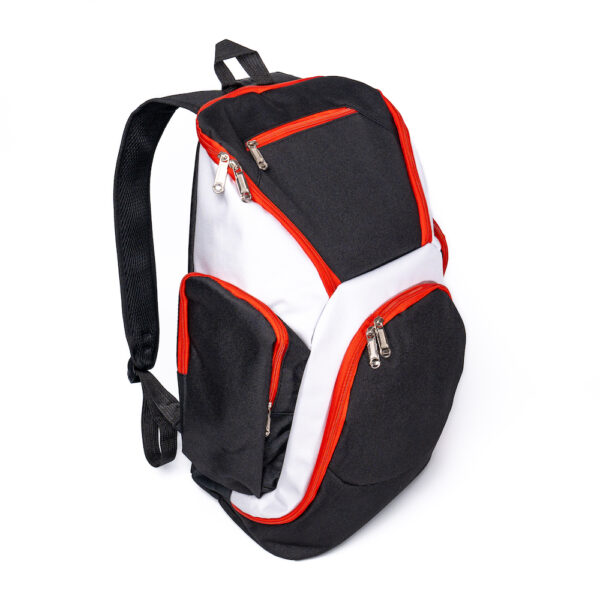
Setting up a DIY home studio for E-commerce photography
Setting up a home studio for E-commerce photography doesn’t have to be complicated or expensive. With a few key items and some creativity, you can create a space that will help you capture stunning product images that will help your online store stand out.
- Choose the right location: Find a spot in your home that receives natural light during the day, such as a room with a large window. Natural light is ideal for product photography as it provides soft, diffused lighting that helps enhance details and colors in your images.
- Invest in a backdrop: A simple and versatile backdrop can make a big difference in your product photos. You can use a plain white or black backdrop, or experiment with different colors and textures to create a unique look for your images.
- Set up a table or surface: Use a sturdy table or surface as your shooting area to keep your products steady and secure. You can also consider using a tripod to keep your camera steady and reduce blur in your images.
- Organize your equipment: Keep your camera, lenses, props, and other photography tools organized and easily accessible in your home studio. This will save you time and make the process of capturing product images more efficient.
- Create a lighting setup: Consider investing in a simple lighting setup, such as softboxes or ring lights, to control the lighting in your home studio. Experiment with different lighting angles and intensities to find the best setup for your products.
- Add props and styling elements: Enhance your product images by incorporating props, styling elements, and accessories that complement your products. Adding props can help create a cohesive and visually appealing look for your E-commerce images.
- Experiment and get creative: Don’t be afraid to experiment with different setups, angles, and styles when setting up your home studio for E-commerce photography. The more you practice and play around with your setup, the better you will become at capturing stunning product images.

Understanding Lighting Techniques for E-commerce Photography
Lighting plays a crucial role in capturing stunning product images for your e-commerce store. Whether you’re shooting jewelry, clothing, or electronics, the way you light your products can make a significant difference in how they appear to your potential customers.
- Natural Light: Natural light is your best friend when it comes to e-commerce photography. Try to set up your shoot near a window or in a well-lit room to take advantage of the soft, diffused light that natural daylight provides.
- Artificial Lighting: If natural light is not available or you need more control over your lighting, artificial lighting can also give you great results. Invest in a good quality light kit with softboxes or umbrellas to create a flattering and even light on your products.
- Product-Specific Lighting: Different products require different lighting techniques. Reflective items like glassware may need backlighting to highlight their contours, while textured products like fabrics might benefit from sidelighting to bring out their details.
- Light Modifiers: To further control and manipulate light, you can use light modifiers such as reflectors and diffusers. These tools can help you soften harsh shadows, enhance highlights, and create a more balanced overall look in your product images.
- Consistency: Consistent lighting is key to maintaining a coherent look across all your product photos. Pay attention to the direction, intensity, and color temperature of your light sources to ensure that your images match seamlessly on your e-commerce site.
Remember, the goal of lighting in e-commerce photography is not only to make your products look appealing but also to accurately represent their colors, shapes, and textures. Experiment with different lighting setups and techniques to find what works best for your products and brand aesthetic.

Selecting the right background and props for product images
When it comes to E-commerce photography, the background and props you choose can make a huge difference in how your products are perceived by customers. The right background and props can help highlight the features of your products and create a cohesive brand image. Here are some tips for selecting the right background and props for your product images:
- Keep it simple: A cluttered background can distract from your product, so choose a clean and simple backdrop that won’t overpower the main focus.
- Consider your brand aesthetic: Think about the overall look and feel of your brand when selecting backgrounds and props. Choose colors and textures that align with your brand identity to create a consistent visual style.
- Use props strategically: Props can add context and personality to your product images, but be careful not to overwhelm the main product. Choose props that complement your product and enhance its features.
- Experiment with different options: Don’t be afraid to try out different backgrounds and props to see what works best for your products. Test out a few options and see which ones resonate most with your target audience.
Remember, the background and props you choose should not overshadow your product, but rather enhance its appeal and create a visual story that connects with your customers. Take the time to carefully consider these elements in your E-commerce photography to ensure that your product images stand out and effectively showcase what you have to offer.
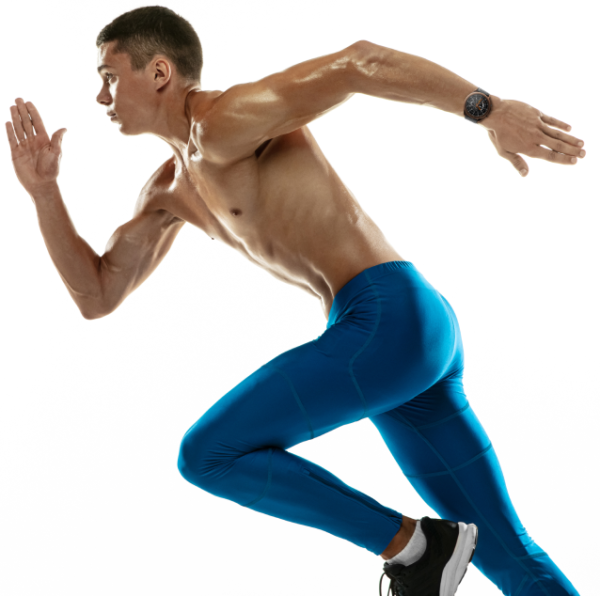
Editing and retouching product images for E-commerce
Once you have captured your product images, the next step is to edit and retouch them to ensure they are of the highest quality before posting them on your E-commerce website. Editing and retouching can help enhance the appearance of your products and make them more appealing to potential customers.
- One of the first things you should do when editing product images is to adjust the brightness, contrast, and colors to make them look more vibrant and eye-catching. This can be done using editing software such as Adobe Photoshop or Lightroom.
- It is important to make sure that the colors in the images accurately represent the actual product. You can use the color correction tools in your editing software to ensure the colors are true to life.
- Another important aspect of editing product images is retouching, which involves removing any imperfections or distractions from the images. This could include dust, scratches, or any other blemishes that may detract from the overall appearance of the product.
- When retouching product images, it is essential to maintain a balance between enhancing the image and keeping it natural-looking. Over-editing can make the product appear artificial and may lead to distrust from customers.
- It is also crucial to pay attention to the background and props in the images. Make sure they are clean and free of distractions, and if necessary, remove any unwanted elements during the editing process.
Editing and retouching product images requires a keen eye for detail and a good understanding of editing software. It may take some practice to master these skills, but with time and dedication, you will be able to create stunning product images that will attract customers and boost sales on your E-commerce website.

Optimizing product images for E-commerce platforms
When it comes to selling products online, having visually appealing images is crucial. However, simply taking great pictures isn’t enough – optimizing your product images for E-commerce platforms is essential for increasing your chances of making a sale.
- Image Size: Ensure that your product images are optimized for web viewing by resizing them appropriately. Large image files can slow down loading times, causing potential customers to lose interest and click away.
- Image Compression: Compress your images to reduce file size without sacrificing image quality. This will help improve website loading speed.
- Alt Text: Adding alt text to your product images helps search engines understand what the image is about. This can improve your SEO rankings and drive more traffic to your E-commerce site.
- Descriptive File Names: Instead of using generic file names like “IMG_0123”, give your product images descriptive titles that include keywords related to the product. This will also help with SEO and make it easier for customers to find your products through image searches.
- Image Optimization Tools: There are various tools available online that can help you optimize your product images for E-commerce platforms. These tools can help with tasks such as resizing, compressing, and adding alt text to your images.
By optimizing your product images for E-commerce platforms, you can improve the user experience on your website, increase your chances of ranking higher in search engine results, and ultimately drive more sales. Take the time to ensure that your images are properly optimized before uploading them to your online store.
Strategies for creating engaging visual content for E-commerce websites
When it comes to selling products online, having engaging visual content is key to grabbing the attention of potential customers. In a world where consumers are constantly bombarded with information, it is important to make your product images stand out. Here are some strategies to help you create visually appealing content for your E-commerce website:
- Focus on high-quality images: Invest in a good camera and lighting equipment to ensure that your product images are clear and crisp. High-quality images can help build trust with your customers and showcase the details of your products.
- Show the product in action: Consider incorporating lifestyle images that show how your products can be used in real life. This can help customers visualize themselves using the products and lead to more conversions.
- Create visual consistency: Make sure that all of your product images have a consistent look and feel. This can help establish your brand identity and create a cohesive shopping experience for your customers.
- Utilize different angles and perspectives: Get creative with your product images by capturing them from different angles and perspectives. This can help customers get a better sense of what the product looks like in person.
- Include detailed descriptions: Pair your product images with detailed descriptions that highlight the key features and benefits of each item. This can help customers make informed purchasing decisions.
By implementing these strategies, you can create visually engaging content that will help drive sales and enhance the overall shopping experience for your customers. Remember that in the world of E-commerce, a picture is worth a thousand words!
Future Developments in E-commerce Photography Trends
As we look ahead to 2025 and beyond, the world of E-commerce photography is evolving rapidly. The advancements in technology and changes in consumer behavior are contributing to new trends that will shape the future of product imagery online. Here are some of the key developments we can expect to see in E-commerce photography:
- 360-Degree Product Imagery: Offering customers a complete visual experience by allowing them to view products from all angles will become more common. This immersive approach helps to build trust and confidence in online shoppers.
- Augmented Reality (AR) Product Visualization: AR technology will enable customers to virtually try on or place products in their home before making a purchase. This interactive feature enhances the customer experience and reduces the likelihood of returns.
- AI-Powered Product Photography: Artificial intelligence will play a significant role in automating the image creation process. AI algorithms can suggest the best angles, lighting, and editing techniques to optimize product images quickly and efficiently.
- Video Content Dominance: Videos are becoming increasingly popular in E-commerce as they allow brands to showcase products in action. Short product demonstration videos or user-generated content videos will continue to gain traction in attracting and engaging consumers.
With these exciting advancements on the horizon, it is essential for E-commerce businesses to stay up-to-date with the latest trends and technologies in photography. By embracing innovation and creativity, brands can elevate their online presence and stay ahead of the competition in the dynamic world of E-commerce.
More

Case : Event photography for Palisades Village
Palisades Village is a premier outdoor shopping and lifestyle destination in Pacific Palisades, California. Capturing events at such an iconic venue requires a blend of candid storytelling, detailed commercial shots, and high-energy atmosphere photography. Below is a breakdown of how we captured the essence and vibrant energy of this event. Every great event begins with […]
More
Case : Peony Field Photoshoot at Bury Lane Farm | Cambridge Photographer
This beautiful group portrait photography session took place in the breathtaking peony fields of Bury Lane Farm in Cambridgeshire. As a Cambridge photographer specialising in portrait photography and lifestyle photography, I love creating natural images that capture genuine emotions and meaningful moments. Nine wonderful women came together to enjoy an unforgettable summer afternoon surrounded by […]
More
Case : Professional Headshot Photography in West Hollywood
I delivered personalized headshot photography sessions in West Hollywood for professionals seeking high-impact images for articles, corporate profiles, and social media. Client: Professionals and musicians looking to elevate their personal branding with compelling portraits. Objective: To create confident, authentic images that help clients make a memorable first impression. Process: 1. Consultation Discussed each client’s style […]
More