
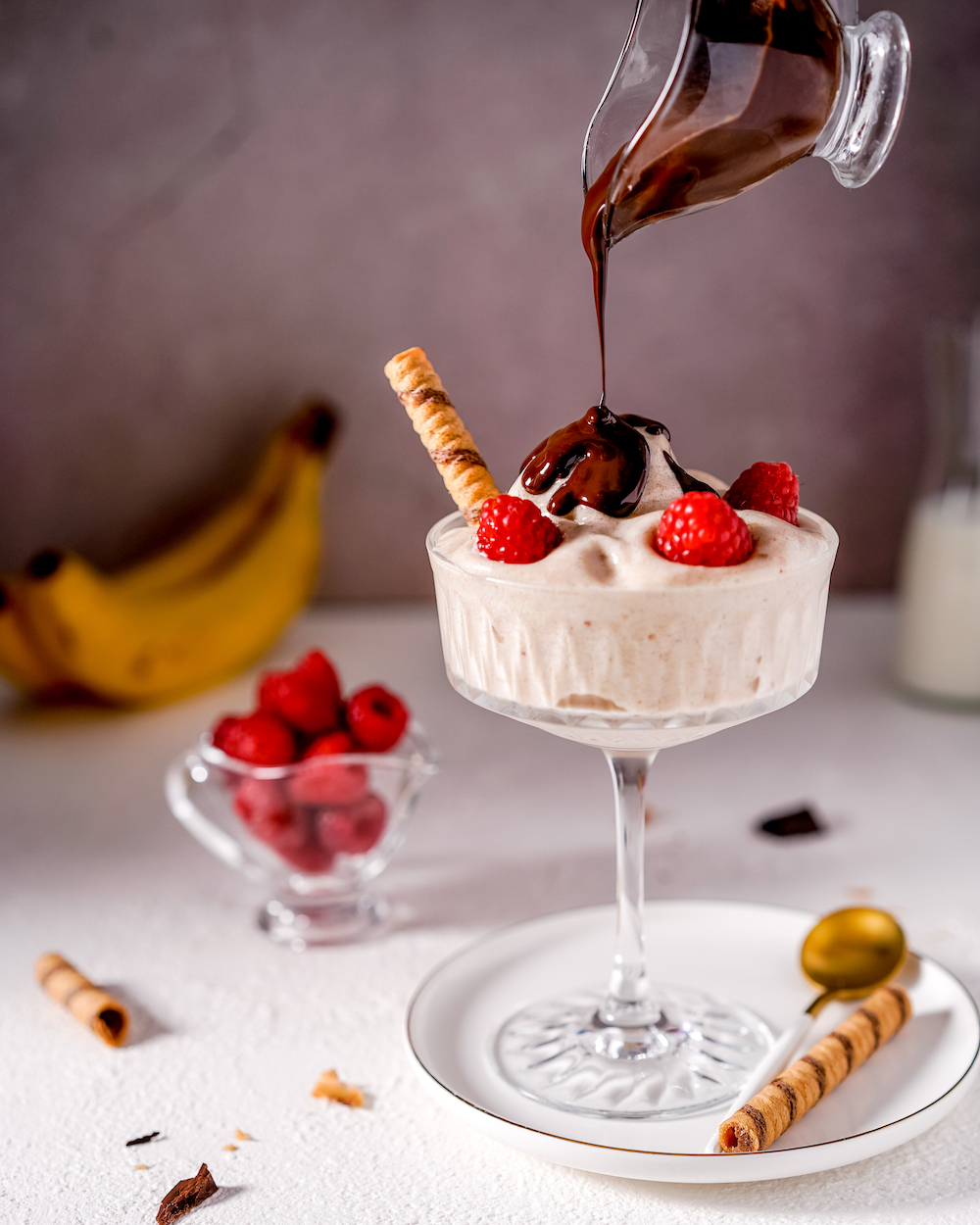
Trends in food photography for 2025
Welcome to the exciting world of food photography in 2025! As we step into the future, the way we capture and showcase delicious dishes is constantly evolving. In this guide, we will explore the latest trends shaping the food photography industry and how you can stay ahead of the curve.
Whether you’re a seasoned professional or just starting out, keeping up with the latest trends in food photography is crucial. Not only does it help you stay relevant and competitive in the industry, but it also allows you to connect with your audience in meaningful ways.
- From Instagram-worthy avocado toasts to decadent multi-course meals, food photography has the power to inspire and delight viewers around the world.
- Incorporating sustainability and eco-friendly practices into your work not only showcases your commitment to the environment but also resonates with a socially conscious audience.
- Embracing diversity and inclusivity in food styling and representation can help you reach a wider audience and create content that truly reflects the world we live in.
In 2025, technology plays an increasingly important role in food photography. Utilizing AI and AR can take your images to the next level, offering innovative ways to showcase your creations in a digital landscape.
Experimenting with alternative perspectives and compositions can breathe new life into your photography. From overhead shots to close-ups, there are endless possibilities to explore and push the boundaries of traditional food photography.
Understanding the impact of lighting and editing techniques on your images is key to creating stunning visuals. Whether you prefer natural light or artificial setups, knowing how to manipulate lighting can make all the difference in your final product.
Stay tuned as we delve deeper into these trends and offer practical tips and insights on how to elevate your food photography game in 2025!
Importance of Staying Up to Date with Current Trends
Food photography is an ever-evolving industry, with new trends and techniques constantly emerging. As a food photographer, it is crucial to stay up to date with these current trends to remain relevant and competitive in the field.
By keeping a pulse on the latest trends, you can ensure that your work resonates with modern audiences and meets their changing preferences. Whether it’s the use of vibrant colors, minimalist compositions, or unconventional angles, staying current helps you create images that captivate viewers and stand out in a crowded market.
- One way to stay up to date with trends is by following industry publications, attending workshops, and participating in online forums where professionals share insights and strategies.
- Another valuable resource is social media platforms like Instagram and Pinterest, where you can discover popular food photographers and see what styles are trending.
- Collaborating with other creatives and attending industry events can also expose you to new ideas and inspire fresh approaches to your work.
Moreover, adapting to current trends demonstrates your versatility as a photographer and showcases your ability to evolve with the times. Clients and brands are always looking for photographers who can offer innovative solutions and stay ahead of the curve, making it essential to stay informed and adaptable.
Ultimately, staying up to date with current trends allows you to remain competitive, enhance your creative vision, and attract a broader audience. By embracing change and staying current, you set yourself up for success in the fast-paced world of food photography.
Incorporating sustainability and eco-friendly practices into food photography
As we move into 2025, the importance of sustainability and eco-friendly practices in all aspects of life, including food photography, is becoming increasingly evident. It’s no longer enough to just capture a visually appealing image; conscious efforts must be made to minimize our environmental impact and promote responsible practices.
- Choose reusable or biodegradable props and backgrounds: Instead of using single-use plastic or non-recyclable materials in your food styling, opt for items that can be used repeatedly or are made from natural and eco-friendly materials.
- Source locally and seasonally: By featuring ingredients that are in season and sourced locally, you not only support small businesses and reduce carbon emissions from transportation but also showcase the beauty and diversity of regional produce in your photography.
- Reduce food waste: Plan your shoots carefully to minimize food waste by repurposing leftovers or donating excess food to local charities. Get creative with styling to make use of every part of the ingredients and avoid unnecessary waste.
- Embrace imperfections: In a world where perfection is often portrayed on social media, showcasing the natural imperfections and quirks of food can not only be more authentic but also highlights the uniqueness and individuality of each dish.
By incorporating sustainability and eco-friendly practices into your food photography, you not only contribute to creating a more conscious industry but also resonate with a growing audience that values ethical and environmentally friendly initiatives.
Creating authentic and relatable content for a modern audience
When it comes to food photography in 2025, authenticity and relatability are key. With the rise of social media influencers and the desire for more genuine connections, modern audiences are looking for images that resonate with their everyday experiences and emotions.
- Showcasing imperfections: Instead of perfectly staged and edited photos, try capturing the beauty in imperfections. This could mean crumbs on a plate, a messy kitchen counter, or a slightly burnt edge on a dish. These small details can make your photos feel more relatable and authentic.
- Focus on storytelling: People love a good story, especially when it comes to food. Try incorporating storytelling elements into your photos by showcasing the process of cooking, the origin of a particular dish, or the memories associated with a certain recipe. This adds depth and emotion to your photography, making it more engaging for your audience.
- Use real people: Instead of relying solely on perfectly styled food models, consider featuring real people in your photos. This could be your family, friends, or even community members. Including people in your images can create a sense of connection and make your content feel more relatable.
By creating authentic and relatable content, you can build a loyal following that resonates with your brand and values. Remember, people want to see real, genuine moments in food photography, so don’t be afraid to show the true and unfiltered side of your dishes.
Utilizing Technology like AI and AR in Food Photography
In the ever-evolving world of food photography, staying current with the latest technology trends is essential. One of the most exciting developments in recent years is the use of artificial intelligence (AI) and augmented reality (AR) in food photography.
AI technology can help streamline the process of editing and enhancing food images, making them look even more delectable. With AI, photographers can quickly adjust lighting, colors, and composition to achieve stunning results. This can save time and effort while still producing high-quality images.
- With the rise of AR technology, photographers can now create interactive and immersive experiences for their audience. AR allows viewers to experience a dish in a whole new way, whether through seeing how it’s prepared step by step or virtually tasting it.
By incorporating AI and AR into food photography, photographers can take their creativity to new heights and capture the attention of a tech-savvy audience. Embracing these technologies can make your work stand out and resonate with viewers in a unique and captivating manner.
Whether you are just starting out or are a seasoned professional, exploring AI and AR in food photography can open up a world of possibilities and elevate your craft to a whole new level.
Experimenting with alternative perspectives and compositions
When it comes to food photography in 2025, thinking outside the box is key. Instead of sticking to the traditional flat lay or overhead shot, consider experimenting with alternative perspectives and compositions to make your images stand out.
- One trend that is gaining popularity is the use of overhead drone shots to capture unique angles of the food being prepared or presented. This can add a sense of motion and excitement to your photos.
- Another idea is to play around with different camera angles, such as shooting from below or using a tilted perspective. These unconventional views can create a sense of depth and intrigue in your pictures.
- Consider incorporating unexpected props or backgrounds to add interest and personality to your food photography. Think outside the box and don’t be afraid to mix and match different textures, colors, and styles to create a visually captivating scene.
Experimenting with alternative perspectives and compositions can help you create vibrant and dynamic images that will capture your audience’s attention and keep them coming back for more.
Embracing diversity and inclusivity in food styling and representation
Food photography should reflect the diverse world we live in, showcasing a variety of cultures, ingredients, and perspectives. As we look towards the food photography trends of 2025, it is important to embrace diversity and inclusivity in our styling and representation.
Every culture has its own unique culinary traditions and flavors, and it’s essential to celebrate these differences through food photography. Experimenting with different cuisines and ingredients will not only broaden your own culinary horizons but also give your audience a taste of the rich tapestry of flavors that exist around the world.
- Include a diverse range of ingredients and dishes in your food photography to represent different cultures and traditions.
- Collaborate with chefs and food stylists from various backgrounds to bring authenticity to your images.
- Highlight the stories behind the food you photograph, whether it’s a family recipe passed down through generations or a dish with historical significance.
When it comes to representation, it’s not just about the food itself, but also the people enjoying it. Make an effort to showcase diversity in your photographs by featuring people of all ages, races, and backgrounds. Everyone deserves to see themselves reflected in the images they consume, and food photography is no exception.
By embracing diversity and inclusivity in your styling and representation, you can create food photos that resonate with a wider audience and make a positive impact on the industry as a whole. Let’s strive to make the world of food photography a more inclusive and representative space for all to enjoy.
Understanding the Impact of Lighting and Editing Techniques on Food Photography
When it comes to food photography, lighting and editing play a crucial role in creating stunning and mouth-watering images that grab the viewer’s attention. Lighting can make or break a photo, as it helps to set the mood, highlight textures, and enhance colors. Natural light is often preferred for food photography because it provides a soft, flattering light that creates a natural and inviting feel.
Indoor artificial lighting can also be used effectively, but it requires careful positioning and adjustment to avoid harsh shadows and unwanted reflections. Experimenting with different light sources, such as softboxes, diffusers, or LED panels, can help you achieve the desired look for your food photos.
- Tip: Try shooting near a window on an overcast day for soft, diffused lighting that enhances the natural colors of your food.
Once you have captured your images, editing techniques can help polish and enhance your photos further. Editing software like Adobe Photoshop or Lightroom allows you to adjust exposure, contrast, colors, and sharpness to improve the overall look of your images. It’s essential to strike a balance between enhancing your photos and maintaining their authenticity.
Experiment with different editing styles and techniques to find a look that best complements your food photography style. Whether you prefer vibrant and colorful edits or a more subdued and natural aesthetic, editing can help bring your vision to life and create visually appealing images that stand out.
- Tip: Consider using presets or filters to streamline your editing process and give your photos a consistent look and feel.
By understanding how lighting and editing techniques impact your food photography, you can elevate your images and captivate your audience with compelling visuals. Whether you’re a food blogger, chef, or photographer, mastering these essential skills will help you create mouth-watering photos that entice viewers and leave them craving more.
Mastering the art of storytelling through food imagery
Food photography is not just about capturing a beautiful image of a dish. It is also about telling a story through the art of visualization. When it comes to mastering the art of storytelling through food imagery, there are a few key elements to keep in mind.
- Setting the scene: Before you start snapping photos, think about the story you want to convey. Consider the mood, setting, and overall vibe you want to capture in your images. Are you going for a cozy, laid-back feel or a vibrant, bustling atmosphere? Setting the scene plays a crucial role in communicating the narrative behind the dish.
- Composition and styling: Pay attention to the composition of your photos. Experiment with different angles, perspectives, and props to enhance the visual appeal of your images. Consider how textures, colors, and shapes can contribute to the overall storytelling aspect of your food photography.
- Capturing moments: Don’t just focus on the food itself. Consider the people, places, and experiences that surround the dish. Capture candid moments of cooking, sharing meals with loved ones, or discovering new flavors. These moments can add depth and authenticity to your food imagery.
- Creating emotion: Food has a unique ability to evoke emotions and memories. Use this to your advantage by infusing your images with feelings of warmth, joy, nostalgia, or excitement. By tapping into the emotional power of food, you can create a connection with your audience and make your storytelling more impactful.
Remember, the best food photography is not just visually pleasing but also emotionally engaging. By mastering the art of storytelling through food imagery, you can elevate your work to new heights and connect with your audience on a deeper level.
Exploring the influence of social media on food photography trends
Social media has revolutionized the way we consume content, and this is no different when it comes to food photography. Platforms like Instagram, Pinterest, and TikTok have become powerful drivers of food trends and aesthetics, shaping the way we photograph and present our food.
- Instagram has popularized the trend of capturing the perfect overhead shot of a beautifully plated dish, while TikTok has popularized short and engaging recipe videos.
- On Pinterest, users can discover new and visually appealing recipes that inspire them to get creative in the kitchen.
With the rise of influencers and food bloggers sharing their culinary creations online, social media has become a hub for food photography inspiration and innovation. By staying active on these platforms, you can stay ahead of the latest trends and keep your food photography fresh and relevant.
Additionally, social media not only influences the aesthetic aspect of food photography but also plays a significant role in the storytelling behind the images. Captions, hashtags, and behind-the-scenes content all contribute to creating a cohesive and engaging narrative that resonates with viewers.
By understanding the ways in which social media impacts food photography trends, you can leverage the power of these platforms to connect with your audience and grow your online presence. Whether you’re a professional photographer or a home cook looking to share your culinary creations, social media can be a valuable tool for expanding your reach and showcasing your skills.
Collaborating with brands and influencers for successful food photography campaigns
When it comes to food photography, collaboration is key. Partnering with brands and influencers can not only help you reach a larger audience but also expand your creative horizons. By working together, you can create stunning visuals that resonate with your target market and showcase the unique qualities of your subject.
- 1. Building Relationships: Collaborating with brands and influencers allows for networking and relationship-building opportunities. By working closely with others in the industry, you can learn new techniques, share ideas, and establish mutually beneficial partnerships that could lead to future opportunities.
- 2. Increased Exposure: Partnering with established brands and influencers can help elevate your work and introduce it to a wider audience. Through strategic collaborations, you can tap into new markets, gain credibility, and cultivate a loyal following who appreciate your artistic vision.
- 3. Bringing Ideas to Life: Working with brands and influencers can also provide you with access to resources, locations, and products that you may not have had otherwise. This can open up new creative possibilities and allow you to bring your dream projects to fruition.
- 4. Enhancing Authenticity: Authenticity is paramount in food photography, and collaborating with like-minded brands and influencers can help you maintain your artistic integrity while still meeting the needs of your clients. By sharing a common vision, you can produce authentic and relatable content that resonates with your audience.
Overall, collaboration is a powerful tool in the world of food photography. By partnering with brands and influencers, you can leverage collective expertise, resources, and reach to create stunning images that captivate and inspire. Remember, the key to successful collaborations is communication, mutual respect, and a shared passion for creating beautiful food imagery.
Resources and tools for continuing education and inspiration in food photography industry
Whether you’re a seasoned food photographer or just starting out, it’s important to continuously learn and stay inspired in this ever-evolving industry. Luckily, there are plenty of resources and tools available to help you grow and develop your skills.
- First and foremost, consider taking online courses or workshops specifically tailored to food photography. Platforms like Skillshare, CreativeLive, and Udemy offer a wide range of classes taught by industry professionals.
- Books are also a valuable resource for gaining insights and techniques from experts in the field. Check out titles such as “Plate to Pixel” by Helene Dujardin and “Food Photography & Lighting” by Teri Campbell.
- Attending food photography conferences and events can provide you with networking opportunities and hands-on experience. Look for conferences like the Food Photography Conference or workshops by renowned food photographers.
- Online communities like Reddit’s r/FoodPhotography and Facebook groups dedicated to food styling and photography are great places to connect with fellow photographers, share tips, and seek feedback on your work.
- Experiment with new equipment and software to enhance your photography skills. Invest in a quality camera, lenses, and lighting equipment to elevate your images. Software like Adobe Lightroom and Photoshop can help you fine-tune your photos to perfection.
- Follow industry influencers and top food photographers on social media platforms like Instagram for daily inspiration and insights into the latest trends. Engage with their content and don’t be afraid to ask questions or seek advice.
Remember, the key to success in food photography is continuous learning, experimentation, and staying inspired. By utilizing the resources and tools available to you, you can take your craft to the next level and stand out in a competitive industry.
More
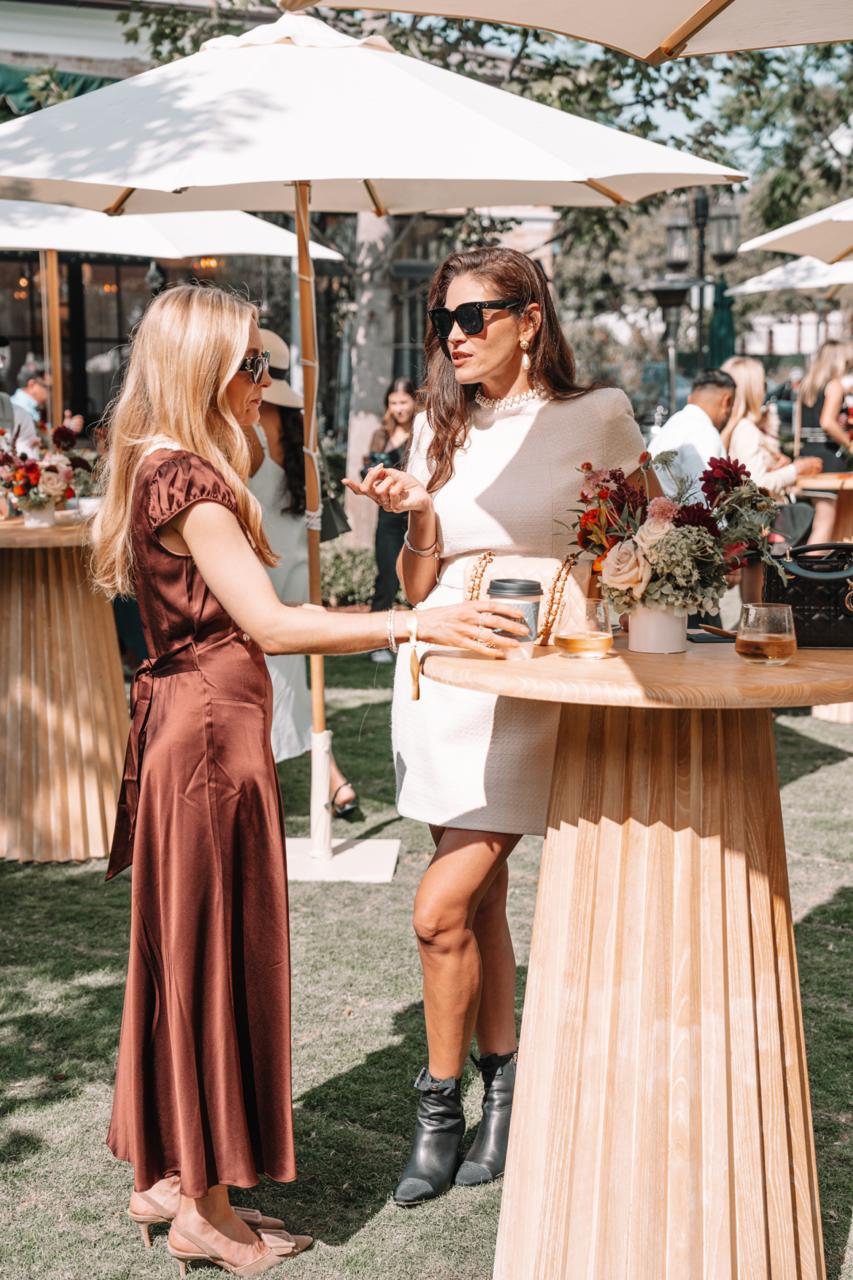
Case : Event photography for Palisades Village
Palisades Village is a premier outdoor shopping and lifestyle destination in Pacific Palisades, California. Capturing events at such an iconic venue requires a blend of candid storytelling, detailed commercial shots, and high-energy atmosphere photography. Below is a breakdown of how we captured the essence and vibrant energy of this event. Every great event begins with […]
More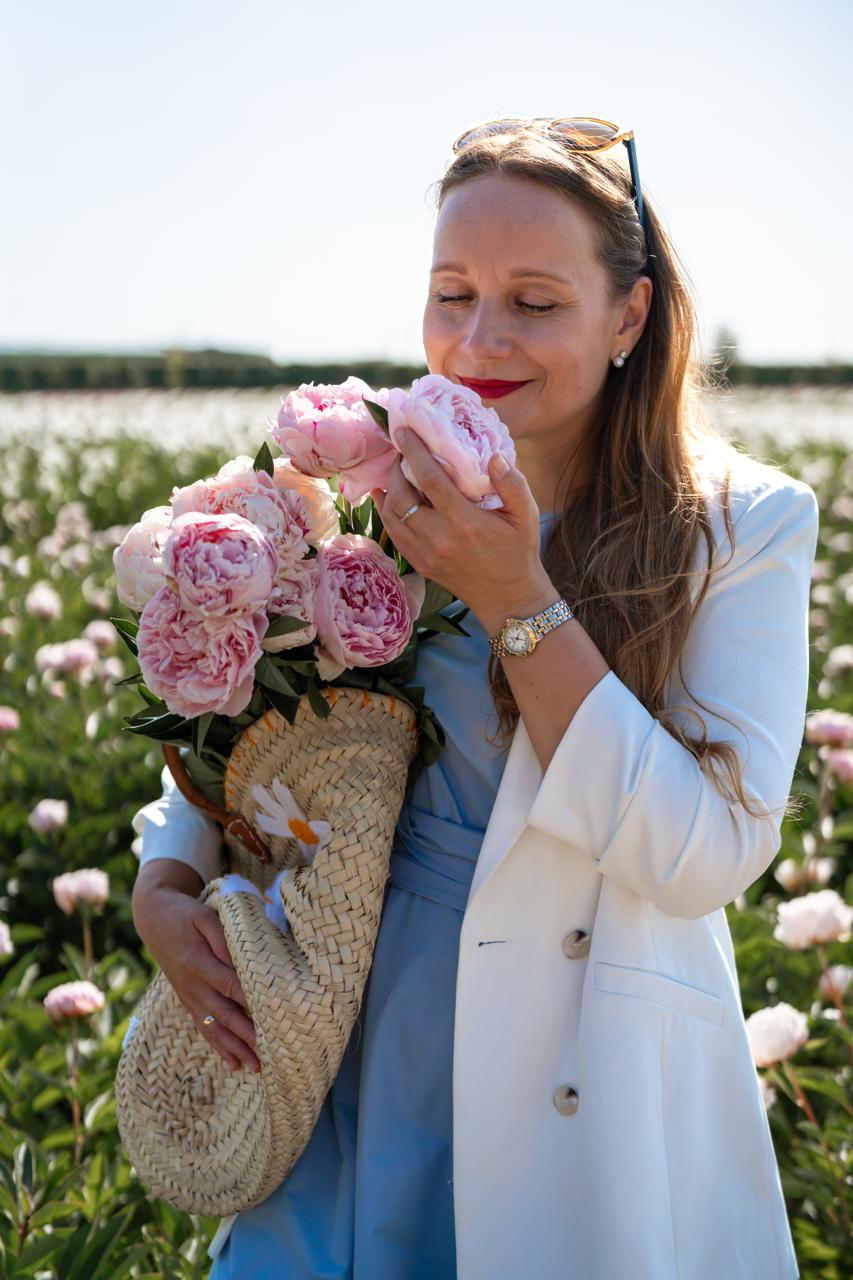
Case : Peony Field Photoshoot at Bury Lane Farm | Cambridge Photographer
This beautiful group portrait photography session took place in the breathtaking peony fields of Bury Lane Farm in Cambridgeshire. As a Cambridge photographer specialising in portrait photography and lifestyle photography, I love creating natural images that capture genuine emotions and meaningful moments. Nine wonderful women came together to enjoy an unforgettable summer afternoon surrounded by […]
More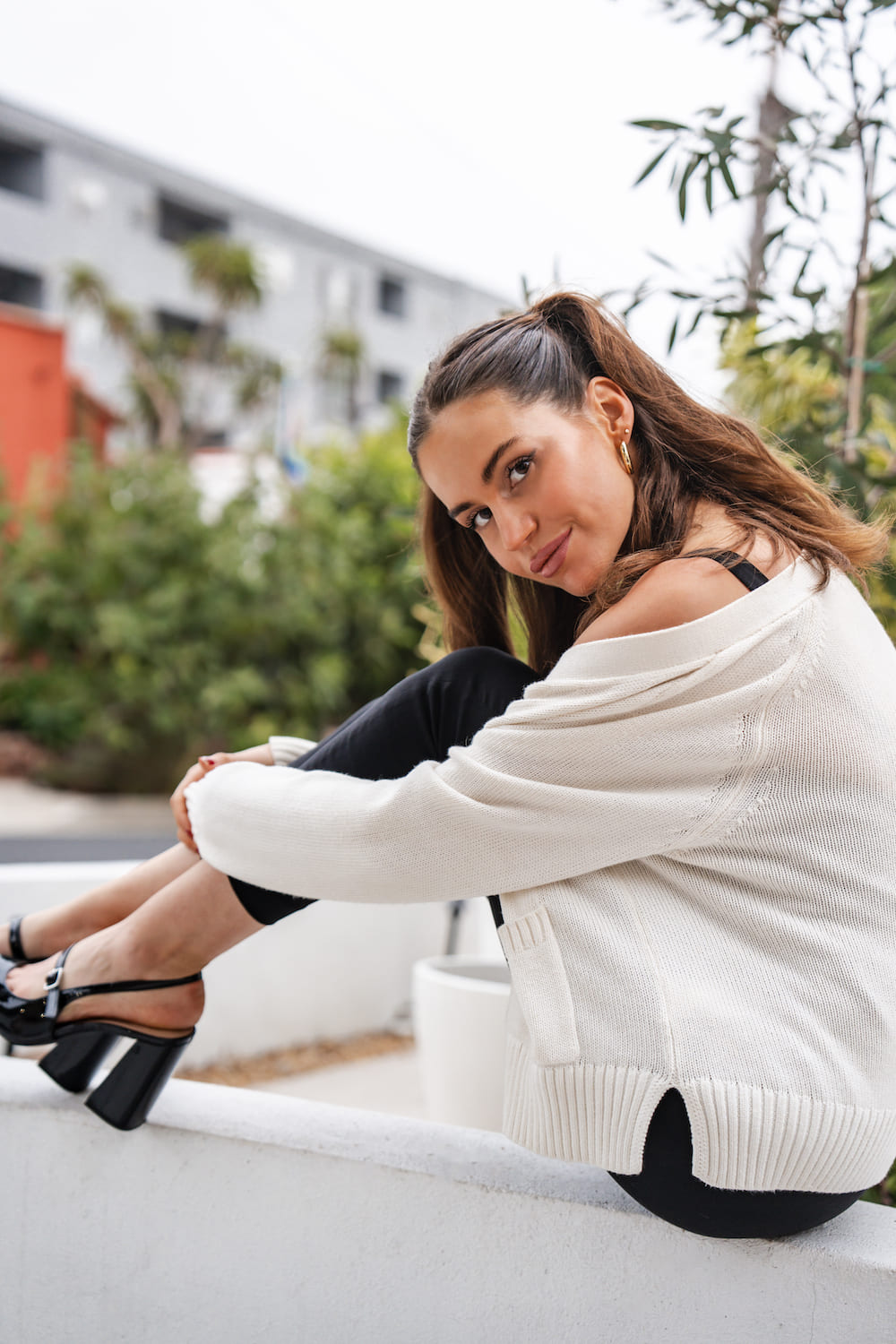
Case : Professional Headshot Photography in West Hollywood
I delivered personalized headshot photography sessions in West Hollywood for professionals seeking high-impact images for articles, corporate profiles, and social media. Client: Professionals and musicians looking to elevate their personal branding with compelling portraits. Objective: To create confident, authentic images that help clients make a memorable first impression. Process: 1. Consultation Discussed each client’s style […]
More