

What is Color Grading 2025?
Color grading is a process used in video production to enhance and manipulate the colors of a video in order to achieve a desired look or mood. It involves adjusting the brightness, contrast, saturation, and tint of the video footage.
Think of color grading as giving your video a makeover, similar to how a professional photographer edits and enhances their photos. It allows filmmakers and videographers to transform their raw footage into a visually stunning piece of work that captures the viewer’s attention.
Color grading has become an essential part of the filmmaking process, with many films and TV shows relying heavily on it to create a specific atmosphere or aesthetic. It can make a dark scene appear sinister, a bright scene feel joyful, or a vintage scene look nostalgic.
Not only does color grading help to enhance the overall look of a video, but it also plays a crucial role in storytelling. By using colors strategically, filmmakers can guide the viewer’s emotions and emphasize certain elements of the narrative.
For example, a horror movie might use desaturated colors and cool tones to create a sense of unease and tension, while a romantic comedy might use warm, vibrant colors to convey a happy and lighthearted tone.
With advancements in technology, color grading has become more accessible to filmmakers and video creators of all levels. There are now a variety of software and tools available that make it easier to perform high-quality color grading techniques.
Whether you’re a seasoned professional or just starting out, mastering the art of color grading can elevate your videos to the next level and help you stand out in a crowded digital landscape.
Importance of color grading in video production
Color grading plays a crucial role in the overall quality and impact of a video. It is the process of enhancing and modifying the colors of a video to create a desired look, mood, or atmosphere. Think of it like adding the perfect filter to your photos, but on a much more precise and detailed level.
- Emotional impact: Colors have the power to evoke emotions and set the tone for a video. By creatively adjusting the colors through grading, filmmakers can intensify emotions, create a sense of nostalgia, or even make a scene more dramatic.
- Visual consistency: Color grading helps maintain visual consistency across different shots and scenes within a video. It ensures that the color tones and styles flow seamlessly, enhancing the overall viewing experience for the audience.
- Enhanced storytelling: Colors can also be used to reinforce the storyline and themes of a video. For example, cooler tones may be used to represent a sense of isolation or mystery, while warmer tones can convey feelings of comfort and intimacy.
Without proper color grading, a video may appear flat, dull, and lacking in visual appeal. By enhancing the colors through grading, filmmakers can elevate their production to a whole new level, capturing the attention of viewers and immersing them in the story being told.
Whether it’s a blockbuster film, a captivating documentary, or a viral social media clip, color grading can make all the difference in how the video is perceived and remembered by its audience.
Evolution of color grading technology by 2025
Color grading technology has come a long way since its inception, with advancements constantly pushing the boundaries of what is possible. By 2025, we can expect to see even more innovative techniques and tools being utilized in the color grading process.
- High Dynamic Range (HDR): One of the major developments in color grading technology is the widespread adoption of HDR imaging. This allows for a greater range of colors and contrast in the image, resulting in more vibrant and lifelike visuals.
- Artificial Intelligence (AI): AI-powered color grading tools are becoming increasingly popular, offering quick and efficient ways to enhance colors and skin tones in videos. These tools analyze the content of the video and automatically make adjustments to achieve the desired look.
- Real-time Collaboration: With the rise of cloud-based editing platforms, color grading can now be done collaboratively in real-time. This allows multiple editors and colorists to work on the same project simultaneously, streamlining the workflow and improving efficiency.
As technology continues to evolve, we can expect to see even more exciting developments in color grading by 2025. It will be crucial for professionals in the industry to stay updated on these advancements and adapt their workflows to take advantage of the latest tools and techniques.
How Color Grading Affects Storytelling and Viewer Perception
Color grading plays a crucial role in storytelling and shaping viewer perception in the world of video production. Colors convey emotions, set the tone, and guide the audience’s reaction to what they see on screen.
- Emotional Impact: Colors have the power to evoke specific emotions and enhance the mood of a scene. Warm tones like red and orange can create a sense of warmth and intimacy, while cool tones like blue and green can evoke feelings of tranquility or sadness.
- Setting the Tone: The use of color grading can help establish the overall tone of a video. For example, desaturated colors can create a gritty and realistic atmosphere for a crime drama, while vibrant and saturated colors can add energy and excitement to a music video.
- Guiding Viewer Perception: The colors in a video can direct the viewer’s attention and highlight important aspects of the story. By manipulating colors through grading, filmmakers can draw focus to key elements or create visual cues that guide the audience through the narrative.
Furthermore, color grading can help differentiate between different time periods, locations, or even alternate realities within a single story. This visual consistency and coherence add depth and authenticity to the storytelling experience.
In essence, color grading is not just about making videos look visually appealing but also about enhancing the emotional connection between the viewers and the story being told. It allows filmmakers to communicate subtext, heighten tension, and immerse the audience in the world being portrayed.
By understanding how colors can influence emotions and perceptions, filmmakers can employ color grading techniques strategically to enhance the impact and effectiveness of their storytelling.
Popular Color Grading Software and Tools Used in 2025
In the world of color grading, having the right software and tools is essential to achieving the desired look for your videos. As technology continues to advance, the options for color grading software and tools have expanded, offering more possibilities for creative expression.
- DaVinci Resolve: DaVinci Resolve has become a staple in the industry for color grading due to its robust features and user-friendly interface. It offers comprehensive color grading tools, as well as editing and audio post-production capabilities.
- Adobe Premiere Pro: Adobe Premiere Pro is another popular choice for color grading, especially for those already familiar with Adobe’s suite of products. It provides a wide range of tools for adjusting colors, tones, and contrast in videos.
- Final Cut Pro X: Final Cut Pro X is a favorite among Mac users for its intuitive interface and powerful color grading capabilities. It offers advanced color correction tools and supports high-end video formats.
- LUTs (Look-Up Tables): LUTs have also become essential tools for color grading, providing predefined color adjustments that can be applied to footage easily. Many color grading software programs support the use of LUTs to achieve specific looks or moods.
- Colorimeters and Calibration Tools: To ensure accurate color grading, colorimeters and calibration tools are used to measure and adjust the color accuracy of monitors. This helps to maintain consistency in color grading across different devices.
These popular color grading software and tools offer a range of features and capabilities to enhance the visual quality of videos. Whether you’re a beginner or an experienced colorist, having access to these tools can help bring your creative vision to life on screen.
Step-by-step guide to performing color grading on videos
Color grading is an essential part of the video production process that can greatly enhance the visual appeal of your videos. With the right tools and techniques, you can achieve stunning results that help tell your story effectively. Here is a simple step-by-step guide to help you get started with color grading:
- Import your footage: Start by importing the video footage you want to color grade into your chosen editing software. This will allow you to begin working with the colors in the video.
- Adjust exposure: Begin by adjusting the exposure of your video to ensure that the brightness and contrast levels are balanced. This will form the foundation for your color grading adjustments.
- White balance: Next, adjust the white balance to ensure that the colors in your video appear natural and true to life. You can use tools like the white balance picker to select a neutral area in the video to balance the colors.
- Color correction: This step focuses on correcting any color imbalances in the footage. You can use tools like curves, levels, and color wheels to make precise adjustments to the colors in your video.
- Color grading: Once you have corrected any color issues, you can start the creative process of color grading. Experiment with different looks and styles to achieve the desired mood and tone for your video.
- Apply LUTs: Look-Up Tables (LUTs) are preset color grades that can be applied to your footage to achieve specific looks quickly. Experiment with different LUTs to see which one enhances your video the best.
- Fine-tune: Finally, fine-tune your color grading adjustments by focusing on details like skin tones, shadows, and highlights. Make subtle enhancements to create a cohesive and visually appealing final product.
By following these steps and experimenting with different techniques, you can elevate the quality of your videos through effective color grading. Remember, practice makes perfect, so don’t be afraid to try new things and push your creative boundaries.
Understanding different color grading techniques and styles
Color grading is more than just adjusting tones and hues – it allows filmmakers to set the mood, enhance storytelling, and create a visual aesthetic that matches the emotions of the narrative. Different color grading techniques and styles can significantly impact how a viewer perceives a video.
- Contrast and saturation: Increasing or decreasing the contrast and saturation levels in a video can dramatically change the overall look. High contrast adds depth and intensity, while desaturated colors can create a more muted and subdued atmosphere.
- Color balance: Adjusting the RGB (Red, Green, Blue) channels can help to correct white balance issues and ensure that colors appear natural and true to life. This can also be used creatively to create unique color palettes.
- Color grading presets: Many color grading software tools offer presets that mimic the look of popular films or styles. These presets can be a great starting point for beginners or serve as inspiration for more experienced color graders.
- Grain and film emulation: Adding film grain or emulating the look of a specific film stock can give a video a vintage or cinematic feel. This technique is often used to evoke nostalgia or enhance the storytelling elements of a film.
Experimenting with different color grading techniques and styles can help you find the perfect look for your video. It’s important to consider the tone, subject matter, and intended audience when choosing a color grading approach. Remember, there is no one-size-fits-all solution – the best color grading technique is the one that best serves the story you are trying to tell.
Stay tuned for the next section where we will share some tips for achieving the desired look through color grading!
Tips for achieving the desired look through color grading
Color grading can drastically change the look and feel of a video, so it’s important to have a clear vision of the final result you want to achieve. Here are some tips to help you achieve the desired look through color grading:
- Plan ahead: Before you start color grading, have a clear idea of the mood and tone you want to convey in your video. This will guide your color choices and help you achieve a cohesive look.
- Use references: Look for images or videos that have a similar style to what you want to achieve. Use them as a reference point to match colors and create the desired look.
- Focus on balance: Pay attention to the balance of light and color in your video. Adjust the exposure, contrast, and white balance to ensure that the colors look natural and harmonious.
- Experiment with different color palettes: Don’t be afraid to try different color combinations to see what works best for your video. You can create different looks by adjusting the hue, saturation, and luminance of individual colors.
- Consider the emotional impact: Colors can evoke different emotions and moods, so choose your color palette carefully to support the narrative of your video. Warm colors like red and yellow can create a sense of warmth and intimacy, while cool colors like blue and green can convey calmness and tranquility.
- Pay attention to skin tones: When working with people in your video, make sure their skin tones look natural and healthy. Adjust the color temperature and saturation to ensure that skin tones are flattering and true to life.
- Don’t overdo it: While color grading can enhance your video, it’s important not to overdo it. Avoid excessive saturation or extreme color adjustments that can distract viewers from the content of your video.
- Seek feedback: Finally, don’t hesitate to seek feedback from others on your color grading work. Gaining a fresh perspective can help you fine-tune your color choices and achieve the desired look for your video.
Color Theory Basics for Effective Color Grading
Color theory is the foundation of color grading and understanding it can greatly enhance the effectiveness of your video projects. Here are some key concepts to keep in mind:
- Primary Colors: The three primary colors – red, blue, and yellow – are the building blocks of all other colors. By mixing these primary colors together, you can create a whole spectrum of hues.
- Secondary Colors: When you mix two primary colors together, you get secondary colors. For example, mixing red and yellow creates orange.
- Color Wheel: The color wheel is a visual representation of the relationships between colors. It helps you understand complementary colors (opposite on the wheel), analogous colors (next to each other), and triadic colors (evenly spaced).
- Color Temperature: Colors can be categorized as warm (red, orange, yellow) or cool (blue, green, purple). Understanding color temperature can help you set the mood and tone of your video.
- Color Harmonies: Different combinations of colors can create different harmonies that evoke specific emotions or moods. Understanding concepts like monochromatic, analogous, complementary, and triadic color schemes can help you achieve the desired effect in your videos.
- Color Contrast: Contrast in color can draw attention to certain elements in your video. By manipulating contrast through color grading, you can lead the viewer’s eye and emphasize important elements.
By mastering these basic concepts of color theory, you can effectively use color grading to enhance the visual impact of your videos. Experiment with different color combinations and harmonies to see how they affect the overall look and feel of your projects. Remember, color has the power to evoke emotions and convey messages, so make sure to use it intentionally in your video productions.
Advanced Color Grading Workflows and Techniques
Once you have mastered the basics of color grading, you can start exploring advanced workflows and techniques to take your videos to the next level. These advanced methods allow you to achieve more precise control over colors and create unique looks that enhance the visual storytelling of your video.
- Secondary Color Correction: This technique involves isolating specific colors in your video and applying corrections only to those areas. This can be useful for fixing color casts or enhancing particular elements in your footage.
- Use of LUTs (Look-Up Tables): LUTs are pre-defined color presets that can be applied to your footage to quickly achieve a certain look or style. You can either use LUTs provided by software developers or create your own customized LUTs to maintain consistency across your projects.
- Color Matching: In cases where you have footage from multiple cameras, color matching allows you to adjust the colors to appear consistent across all shots. This ensures a seamless visual experience for the viewer.
- Advanced Skin Tone Adjustments: Correcting skin tones is crucial for achieving a natural and realistic look in your video. With advanced color grading techniques, you can adjust the hue, saturation, and luminance of skin tones without affecting other elements in the frame.
- Power Windows: Power Windows are tools that let you isolate specific areas of your frame for targeted adjustments. You can use shapes like circles, ovals, or rectangles to apply color corrections within these regions while keeping the rest of the image untouched.
Experimenting with these advanced workflows and techniques will help you refine your color grading skills and create visually stunning videos that captivate your audience. Remember that practice and experimentation are key to mastering these techniques, so don’t be afraid to push your creative boundaries and discover new ways to enhance your videos through color grading.
Future trends in color grading for 2025 and beyond
As we look ahead to the future of color grading in 2025 and beyond, it’s clear that technology will continue to play a major role in shaping the way videos are colored and graded. With advancements in AI and machine learning, we can expect to see more automated tools and presets that make the color grading process faster and more efficient. This will allow content creators to focus more on the creative aspects of color grading rather than the technical details.
- One trend that is already gaining traction is HDR (High Dynamic Range) color grading, which delivers a wider range of colors and contrast for a more vibrant and immersive viewing experience. As more displays support HDR, content creators will be able to push the boundaries of color grading even further.
- Another trend to watch out for is the increasing use of virtual reality (VR) and augmented reality (AR) in video production. Color grading in this space will be crucial in creating realistic and believable virtual worlds, where subtle adjustments in color can make a big difference in how the viewer perceives the environment.
- Additionally, ethical considerations around color grading will also become more important as deepfake technology continues to advance. Content creators will need to ensure that color grading is used responsibly and transparently to avoid misleading or manipulating viewers through deceptive editing techniques.
Overall, the future of color grading looks promising, with exciting new technologies and techniques on the horizon. By staying informed and embracing these trends, content creators can create visually stunning videos that captivate audiences and elevate the storytelling experience.
Conclusion and Final Thoughts on the Role of Color Grading in the Future of Media Production
In conclusion, color grading plays a crucial role in the world of media production, shaping the way we perceive and interpret visual content. As technology continues to advance, the art of color grading is also evolving, offering filmmakers and content creators endless possibilities to enhance their storytelling and captivate audiences.
The importance of color grading in video production cannot be overstated. It can evoke emotions, set the mood, and create a consistent visual style that ties everything together. By paying attention to color grading, filmmakers can elevate the overall quality of their work and leave a lasting impression on viewers.
With the advancements in color grading technology expected by 2025, we can anticipate even more sophisticated tools and software that will transform the way we work with color. This will open up new creative avenues for experimentation and innovation in the art of color grading.
As we look to the future, it is clear that color grading will continue to shape the visual language of storytelling in media production. Understanding different color grading techniques and styles, as well as mastering the basics of color theory, will be essential skills for aspiring filmmakers and content creators looking to make an impact in the industry.
By following a step-by-step guide and exploring advanced color grading workflows and techniques, filmmakers can achieve the desired look and convey their vision effectively. Additionally, staying updated on trends and embracing future innovations in color grading will be key to staying ahead in the competitive landscape of media production.
Ultimately, color grading is more than just enhancing colors in a video – it is a powerful tool that allows storytellers to communicate narratives on a deeper, more emotional level. By harnessing the potential of color grading and understanding its impact on viewer perception, filmmakers can truly create visual masterpieces that resonate with audiences for years to come.
More
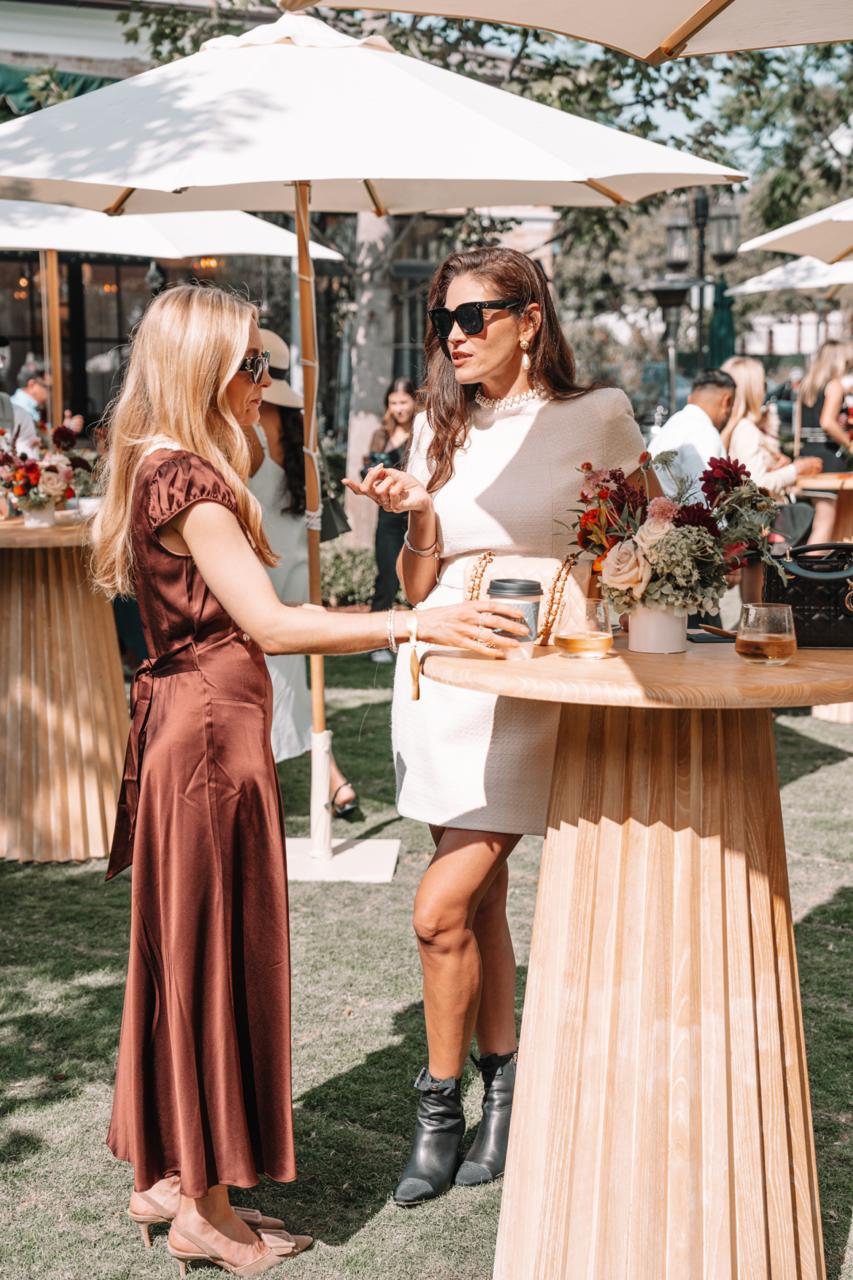
Case : Event photography for Palisades Village
Palisades Village is a premier outdoor shopping and lifestyle destination in Pacific Palisades, California. Capturing events at such an iconic venue requires a blend of candid storytelling, detailed commercial shots, and high-energy atmosphere photography. Below is a breakdown of how we captured the essence and vibrant energy of this event. Every great event begins with […]
More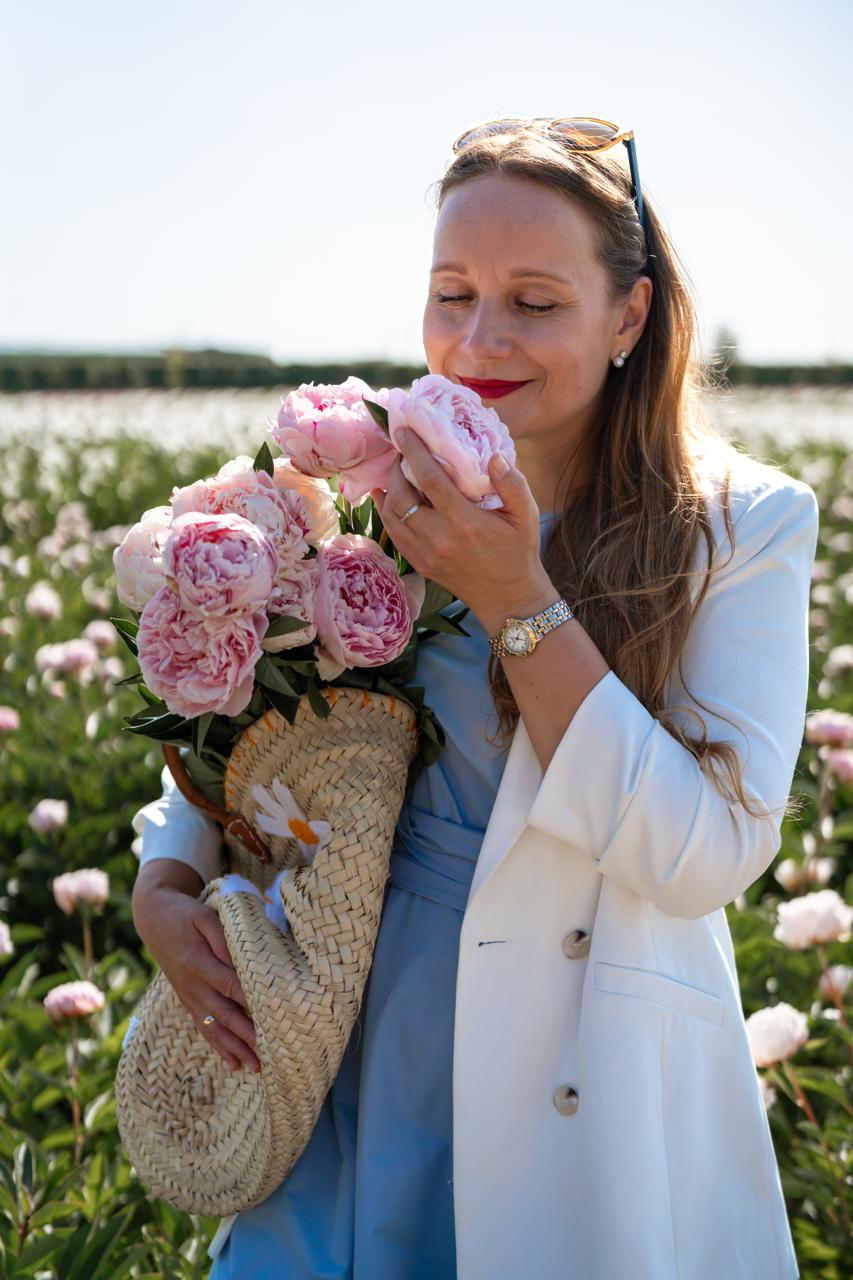
Case : Peony Field Photoshoot at Bury Lane Farm | Cambridge Photographer
This beautiful group portrait photography session took place in the breathtaking peony fields of Bury Lane Farm in Cambridgeshire. As a Cambridge photographer specialising in portrait photography and lifestyle photography, I love creating natural images that capture genuine emotions and meaningful moments. Nine wonderful women came together to enjoy an unforgettable summer afternoon surrounded by […]
More
Case : Professional Headshot Photography in West Hollywood
I delivered personalized headshot photography sessions in West Hollywood for professionals seeking high-impact images for articles, corporate profiles, and social media. Client: Professionals and musicians looking to elevate their personal branding with compelling portraits. Objective: To create confident, authentic images that help clients make a memorable first impression. Process: 1. Consultation Discussed each client’s style […]
More